Why Charcoal and Terracotta Define 2026 Interiors
Interior color trends reflect changes in lifestyle, design practices, and the impact of color on mood and vitality. Charcoal and terracotta emerge as the standout combination for 2026, offering a blend of refined elegance and natural warmth. These colors serve as flexible bases for contemporary and classic environments, enabling homeowners and designers to build spaces with depth, ease, and enduring style.
The Appeal of Charcoal and Terracotta
Charcoal delivers a polished, structured feel, while terracotta infuses warmth, tactile interest, and an organic link to the earth. Paired together, they establish a harmonious balance that suits preferences for sleek simplicity or inviting genuineness.
Psychology of color underscores their popularity. The deep grays of charcoal promote serenity and stability, whereas the clay-like reds of terracotta foster imagination and ease. This duo applies seamlessly to living areas, sleeping quarters, cooking spaces, and even outdoor elements. It signals a move toward designs that remain anchored yet versatile, incorporating materials and textures inspired by the natural world.
Cost Overview for Charcoal and Terracotta Updates
Updating interiors with these colors extends beyond paint application. Homeowners typically integrate wall treatments, supplementary materials, and accessories for a cohesive result. Expenses fluctuate based on project scale, existing surface state, and selected finish level.
- Small room repaint (up to 150 square feet): $350 to $700
- Medium room repaint (150 to 300 square feet): $700 to $1,400
- Large room repaint (over 300 square feet): $1,400 to $2,500
These figures cover materials and professional labor for a two-coat process with superior paint. Costs for charcoal accent walls or complete terracotta applications may adjust according to paint variety and prep needs.
Cost Breakdown per Square Foot
- Materials: $1.50 to $3.00 per square foot
- Labor: $2.00 to $4.50 per square foot
- Preparation and cleanup: $0.50 to $1.50 per square foot
- Additional elements (repairs, trim, finishes): $0.75 to $2.00 per square foot
Projects incorporating decorative options like lime wash, textured plaster, or paneling will see elevated totals.
Influences on Painting Project Expenses
Surface condition matters greatly. Issues such as fractured drywall, water damage, or prior dark shades demand extended prep and extra primer.
Paint quality influences outcomes. High-end options ensure superior coverage and richness, essential for bold shades like charcoal and terracotta.
Room details add complexity. Ornate trim, tall ceilings, or special features increase time and resources.
Local market conditions vary labor fees due to demand and contractor availability.
Finish selections affect results. Matte surfaces yield subtle texture, whereas satin or eggshell options amplify color vibrancy and resilience.
Paint Category Cost Details
| Paint Quality | Basic Range | Standard Range | Premium Range | Key Differences |
|---|---|---|---|---|
| Charcoal Matte | $35 to $50 per gallon | $50 to $70 per gallon | $70 to $100 per gallon | Greater pigment density and even application |
| Terracotta Satin | $40 to $55 per gallon | $55 to $75 per gallon | $75 to $110 per gallon | Superior glow and tonal depth |
| Primer/Sealer | $25 to $40 per gallon | $40 to $55 per gallon | $55 to $70 per gallon | Better bonding and true color rendition |
How Charcoal and Terracotta Complement Each Other
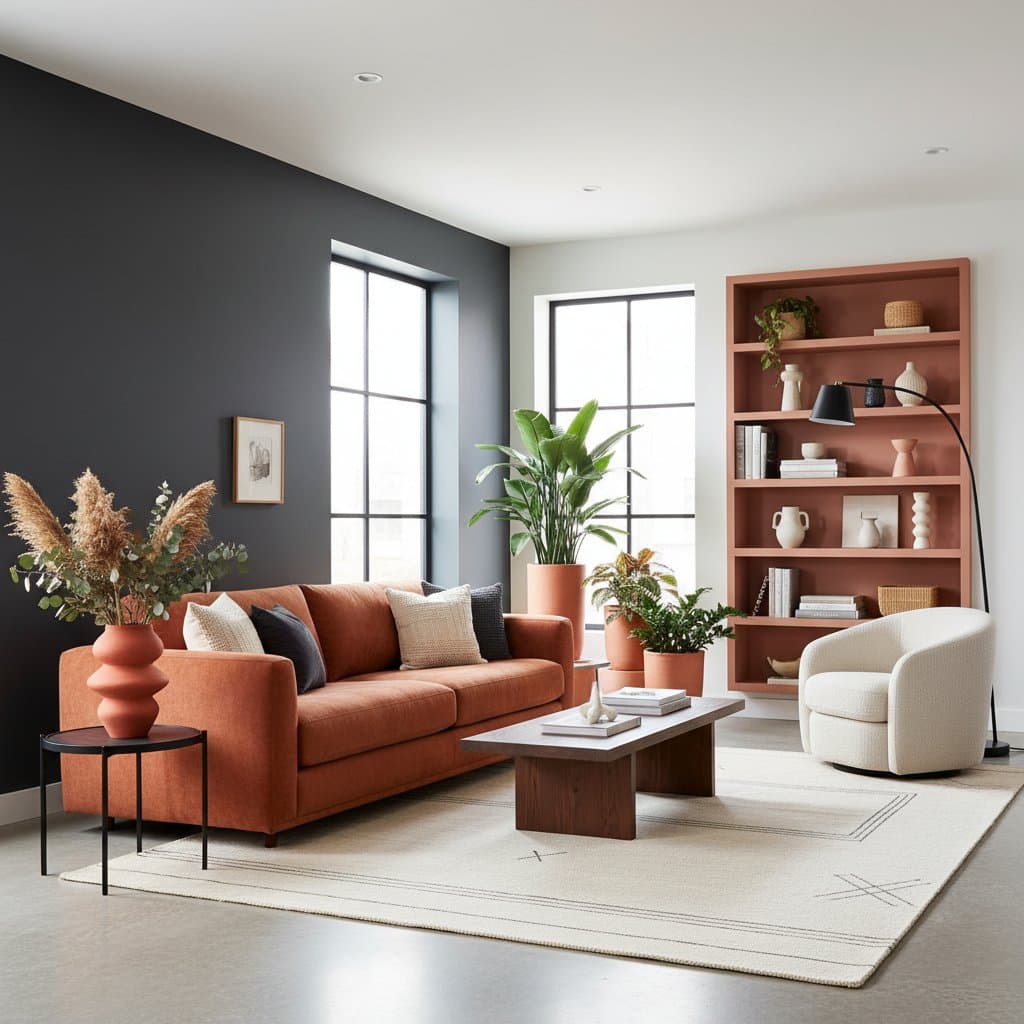
These colors excel through their opposition. Charcoal's cool base tempers terracotta's inherent heat, enabling clear space division in open plans or emphasis on features like hearths, trim, or arched ceilings. Strategic use anchors rooms with charcoal while terracotta injects life and solace.
In spare designs, charcoal offers form without severity. Terracotta softens this precision with approachable heat. For varied aesthetics, they integrate with timber, rock, metal accents, and organic textiles. Such flexibility drives their rise in sleek and countryside-inspired schemes.
Integrating Textures and Finishes
Effective deployment goes beyond walls. Adding layers builds dimension.
- Matte charcoal walls with terracotta fabrics in throws, pillows, or floor coverings.
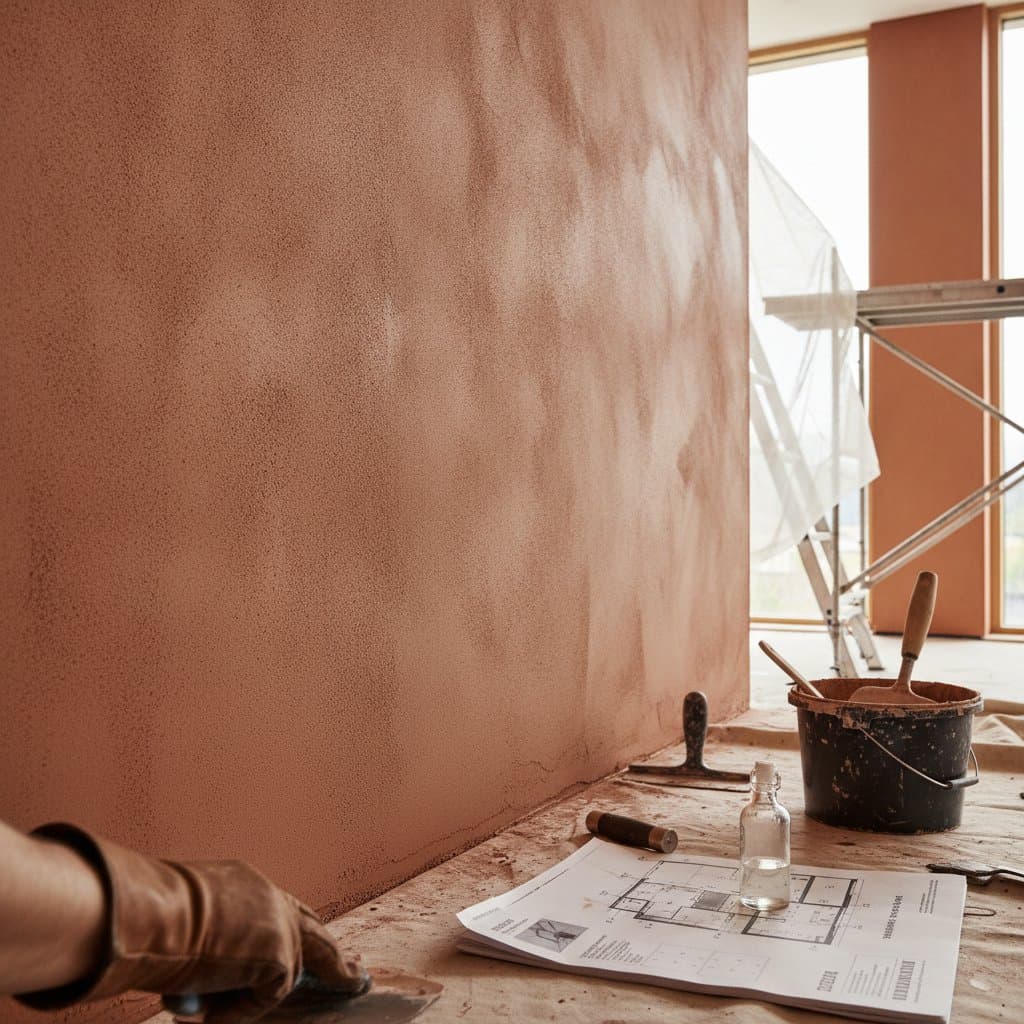
- Terracotta plaster walls offset by charcoal storage units or seating.
- Charcoal tiled surfaces paired with terracotta pots or earthenware pieces.
These combinations foster equilibrium, elevating the scheme to a full sensory layer.
Investment Value and Returns
Thoughtful color refreshes boost allure and usability, often recouping costs through market appeal. Tones like charcoal and terracotta draw wide interest for their lasting, flexible nature.
- Resale benefits: Contemporary grays and grounded earth shades minimize repaint needs for new owners.
- Upkeep ease: Charcoal conceals light marks superior to pale options, and terracotta develops patina elegantly.
- Durability: Top-tier paint prolongs finish life, cutting ongoing expenses.
Beyond finances, the psychological lift and visual harmony enhance routine enjoyment.
Strategies to Control Costs
-
Handle initial prep: Shift items, wash surfaces, and mask areas to trim professional time.
-
Apply quality primer: It minimizes coat layers, conserving paint and effort.
-
Target feature walls: One bold charcoal or terracotta surface creates impact affordably.
-
Seek multiple bids: Evaluate options for price, skill, and reliability.
-
Time projects wisely: Off-peak seasons may yield discounted services.
Building Your Budget
Start budgeting by outlining project reach. Decide on single-room or whole-home changes. Reserve funds for prep, advanced paint, and accents. Add 10 to 15 percent buffer for surprises like fixes or extra layers.
For broader efforts, stage the work. Prioritize prominent or used spaces first, expanding as funds permit. When blending elements such as wood or stone, align sourcing for uniform tones.
Hiring Professionals or Going DIY
Experts provide precision in edges, uniformity, and base work. Terracotta demands even strokes to avoid blotches, and charcoal reveals flaws readily. Professionals account for light and texture in color outcomes.
Self-directed efforts lower bills but demand commitment, equipment, and care. Supplies like applicators, covers, cloths, stands, and barriers may cost $100 to $200 per room. For expansive or elevated areas, hired results often prove more enduring.
Finish and Care Essentials
Opt for resilient, cleanable sheens with both colors. Satin or eggshell suits active zones; matte fits quiet ones. Mild wiping maintains vibrancy. Steer clear of abrasives that fade or shift tones.
Light sources shape perception. Sunlight enhances terracotta's glow; fixtures intensify charcoal's shadow. Variable illumination lets you adjust emphasis on contrasts.
Design Applications for Charcoal and Terracotta
-
Urban modern: Charcoal surfaces, terracotta seating in leather, metallic highlights.
-
Bohemian vibe: Terracotta bases with charcoal linens and raw timber.
-
Industrial polish: Charcoal raw finishes balanced by terracotta vessels and plush fabrics.
-
Spare elegance: Neutral grounds with charcoal outlines and terracotta touches.
Steps to Launch Your Update
Assess current spaces to identify charcoal and terracotta opportunities. Gather samples to test under your lighting. Consult local experts for tailored advice on materials and execution. Begin with small tests to confirm satisfaction before full commitment. This approach ensures a seamless transition to refreshed, inviting interiors that endure.
Frequently Asked Questions
What is the average cost to repaint a room using charcoal or terracotta?
Homeowners typically invest $700 to $1,400 for a medium room, encompassing labor, supplies, and basic prep. Variations arise from surface readiness and paint grade.
What factors affect the total painting cost for these colors?
Key elements include wall state, sheen choice, brand selection, height challenges, and area-specific wages. Textured additions or upscale paints raise figures.
How can I save money when updating to charcoal and terracotta?
Manage prep tasks in-house, emphasize single walls, prime effectively, and book during quiet times. Reviewing bids secures optimal value.
Should I hire professionals or paint these colors myself?
Self-application cuts expenses, yet intense shades need expertise for smoothness. Hired teams achieve reliable prep and finish for lasting quality.
How can I plan for unexpected painting costs?
Build in 10 to 15 percent extra for supplies, fixes, or layers. Review extras with contractors upfront.
When is the best time to update interior colors for lower costs?
Slower seasons like fall or winter often mean more slots and reduced fees. Advance planning locks in schedules and savings.