Why Biophilic Paints Lead 2026 Wellness Trends
Homes increasingly serve as sanctuaries that foster emotional balance, tranquility, and a deeper connection to nature. One of the most influential design trends driving this shift is the emergence of biophilic paints, which integrate natural inspirations, sustainable materials, and wellness-focused color schemes. These innovative paints redefine interior spaces by turning ordinary walls into active contributors to mental and physical health, elevating everyday environments into restorative retreats.
Understanding Biophilic Paints
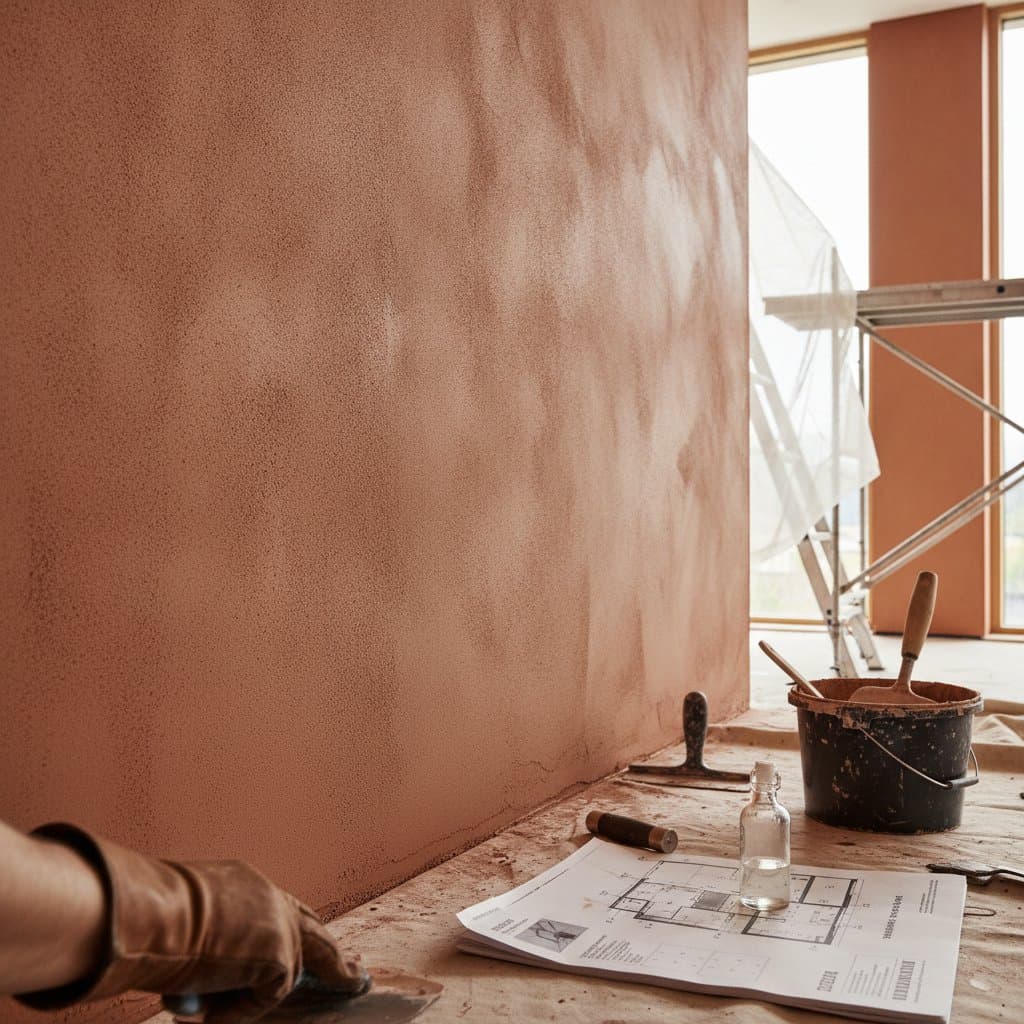
Biophilic design seeks to bridge the gap between indoor spaces and the natural world. For paints, this translates to formulations inspired by elements like earth minerals, lush foliage, warm wood grains, and serene water reflections. These paints typically feature low- or zero-volatile organic compounds (VOCs), plant-derived binders, and mineral-based pigments that capture the soothing essence of nature.
Such paints go beyond visual appeal. They address key concerns in modern living, including indoor air purity, psychological well-being, and ecological impact. As awareness grows about the benefits of non-toxic materials, biophilic paints have become essential for creating homes that support health and sustainability.
Project Cost Estimates
Biophilic paints, while akin to high-end conventional options, command higher prices due to their unique compositions. Typical costs for professional applications include:
- Small room (approximately 150 square feet): $350 to $650
- Medium room (approximately 300 square feet): $700 to $1,200
- Large room (approximately 500 square feet): $1,200 to $2,000
These figures cover labor, materials, and basic preparation. For do-it-yourself projects, expenses drop, though they vary based on tool quality and application expertise.
Cost Breakdown per Square Foot
Biophilic paint applications average $2.50 to $6.50 per square foot, broken down as follows:
- Materials: $1.50 to $3.50 per square foot
- Labor: $1.00 to $2.50 per square foot
- Preparation and cleanup: $0.50 to $1.00 per square foot
Variations arise from factors like brand selection, coat requirements, surface state, and finish choices.
Key Influences on Biophilic Paint Expenses
Several elements determine the final price of a biophilic paint project.
-
Paint Composition
Formulations using plant resins and mineral pigments exceed the cost of synthetic versions. In return, they deliver reduced toxicity and enhanced indoor air quality. -
Surface Preparation
Tasks such as priming, repairing cracks, or stripping old layers add to expenses. Optimal results require even, pristine surfaces to highlight the paints' natural depth and subtlety. -
Application Techniques
Certain biophilic paints demand specific tools, like soft rollers or natural-bristle brushes, for their signature organic, matte effects. Experienced professionals achieve uniform results, influencing labor rates. -
Finish and Color Choices
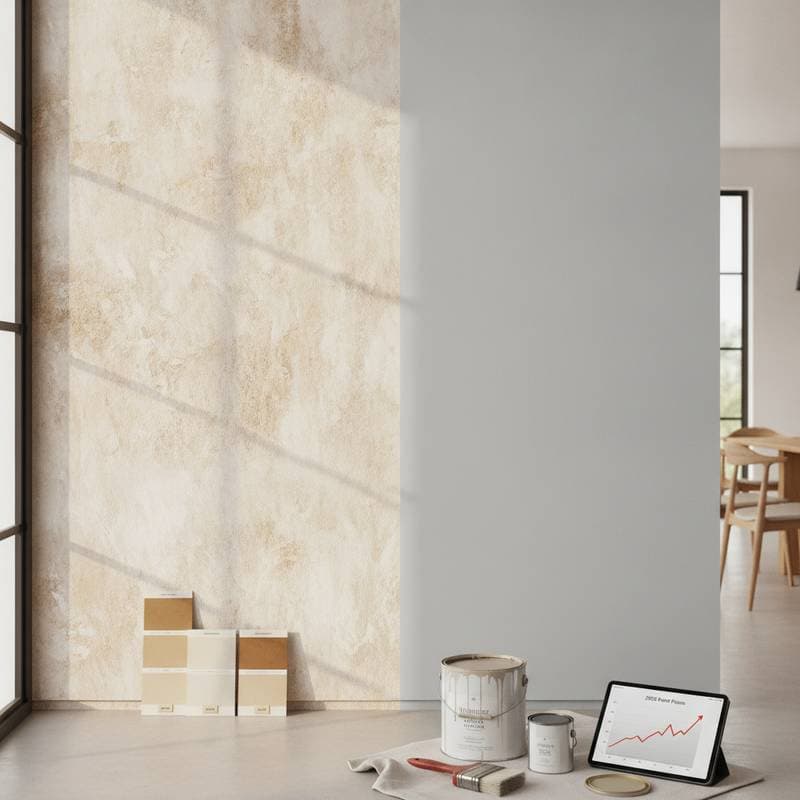
Earthy shades and textured finishes, such as deep forest greens or sun-baked terracottas, may necessitate additional coats for full coverage and vibrancy.
Cost Analysis by Paint Type
| Paint Type | Basic Range | Standard Range | Premium Range | Notable Features |
|---|---|---|---|---|
| Plant-Based Latex | $35 to $55 per gallon | $55 to $75 per gallon | $75 to $95 per gallon | Sourced from renewables, minimal VOCs |
| Mineral Paint | $45 to $65 per gallon | $65 to $85 per gallon | $85 to $110 per gallon | Pigment-rich, highly breathable, textured |
| Clay Paint | $40 to $60 per gallon | $60 to $80 per gallon | $80 to $100 per gallon | Non-reflective, natural hues, humidity control |
Wellness and Long-Term Value
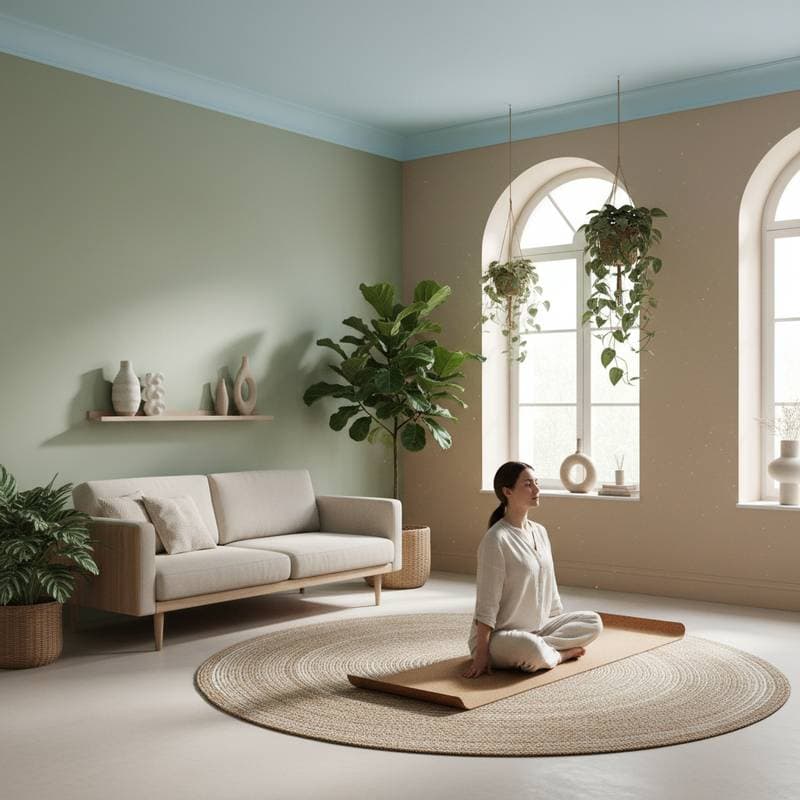
Biophilic paints offer advantages that surpass fleeting style preferences. They create atmospheres conducive to relaxation and productivity through palettes of gentle greens, soft blues, and grounding neutrals.
These paints minimize exposure to chemical emissions, promoting cleaner air and alleviating issues like respiratory irritation or sleep disturbances. Over time, they enhance home sustainability and marketability, appealing to eco-aware buyers and providing enduring returns on investment.
Strategies to Control Costs
Achieve high-quality outcomes without overspending by implementing these approaches:
- Choose mid-tier brands that deliver robust eco-features at accessible prices.
- Perform initial preparation tasks, like dusting and minor repairs, to streamline professional work.
- Schedule projects in slower seasons, such as winter, for potential discounts from contractors.
- Purchase larger quantities for multi-room jobs to lower unit costs.
- Target priority zones, including relaxation areas or workspaces, for the greatest wellness gains.
Building a Practical Budget
Start by measuring your space's total square footage and applying the per-square-foot average to establish a baseline. Factor in extras like multiple coats or unforeseen repairs by allocating 10 to 20 percent more. Rank rooms by their role in daily wellness, such as prioritizing bedrooms for better sleep or offices for improved concentration, to allocate funds effectively.
Consult with local painters experienced in biophilic products to refine estimates based on your home's specifics. This step ensures your project aligns with financial realities while maximizing health benefits.
Frequently Asked Questions
What is the typical cost for painting a room with biophilic paint?
Materials and labor generally range from $2.50 to $6.50 per square foot. For a medium room, anticipate $700 to $1,200, adjusted for paint variety and surface needs.
Which elements drive up biophilic paint project costs?
Primary drivers include the paint's makeup, premium branding, prep requirements, and coat count. Mineral and clay variants cost more yet provide exceptional ventilation and aesthetic depth.
In what ways can I reduce expenses on biophilic paints?
Opt for established mid-range options, manage prep independently, and time your project for off-season rates. Bulk buying further trims per-unit expenses.
Do biophilic paints work in all rooms?
They suit most areas, though they shine in settings demanding serenity, like bedrooms, studies, or communal spaces, where their tones and properties enhance calm and clarity.
Is professional help necessary for biophilic paints?
Experts recommend it for precise handling of specialty formulas, ensuring durability and finish integrity. While DIY offers savings, pros deliver superior, lasting results.
How should I develop a budget for a biophilic paint initiative?
Calculate square footage times the cost rate, then add reserves for variables. Focus investments on high-use areas to optimize wellness and visual upgrades.