Why Biophilic Colors Power 2026 Wellness Homes
Home design now prioritizes more than visual appeal. Homeowners seek environments that replenish energy, alleviate stress, and support emotional equilibrium. Biophilic design leads this evolution by linking indoor spaces to the outdoors. This approach influences architecture, lighting, and materials, yet color choices stand out as a potent method for fostering wellness-oriented homes.
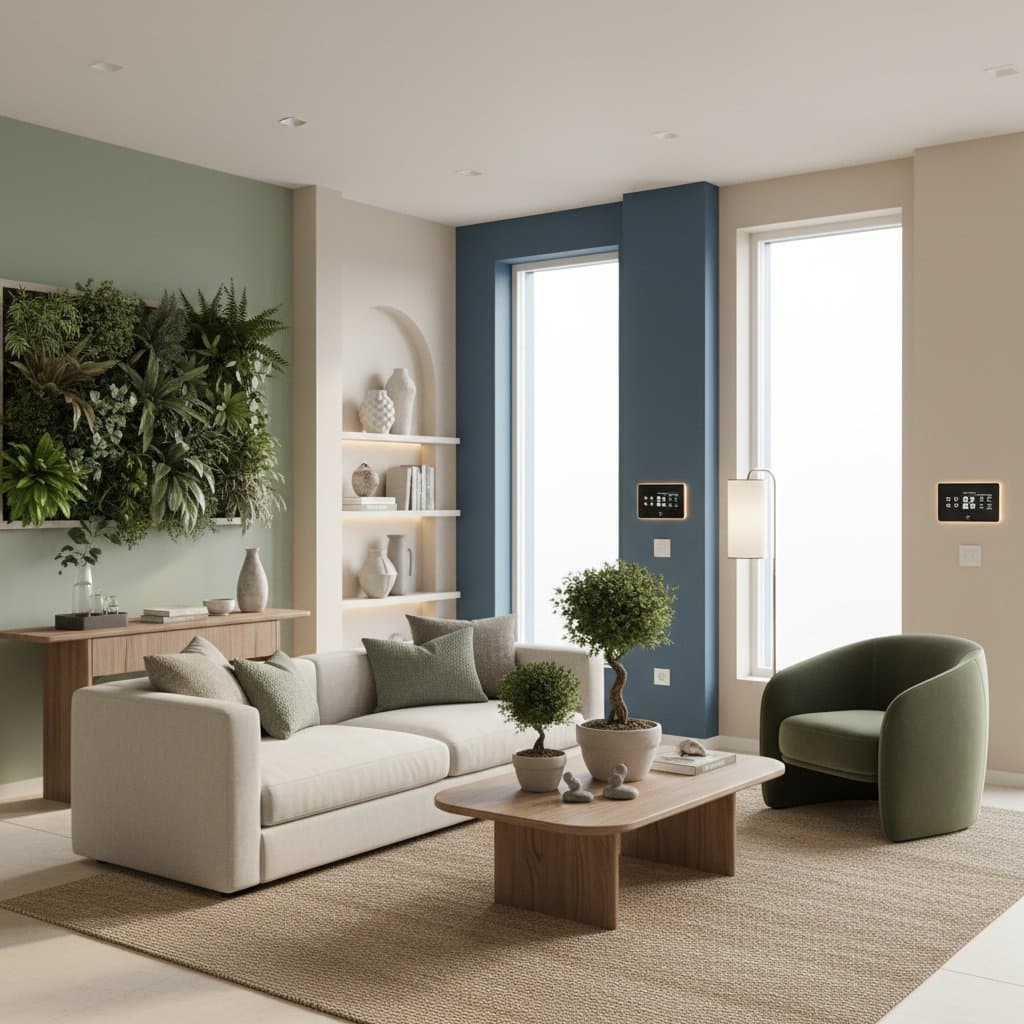
Biophilic colors reflect the subtle shades of the natural world, such as gentle moss greens, serene ocean blues, warm clay tans, and soft botanical hues. These selections extend beyond decoration; they cultivate emotional resonance that bolsters overall health. As interest in wellness homes grows, paints aligned with biophilic tenets form the cornerstone of living spaces that promote vitality.
The Science of Color and Wellness
Research demonstrates that colors shape emotional and physiological responses. Shades of cool green and blue link to lower blood pressure and steadier heart rates, signaling tranquility to the body. Warm neutrals and earthy tones provide a sense of stability and protection, anchoring individuals in their surroundings.
Designers and paint producers increasingly integrate color psychology into wellness strategies. Biophilic palettes differ from bold or artificial options by employing subdued, multifaceted layers. These mimic the nuanced textures of natural elements, offering the eyes a gentle respite. Such restraint fosters a serene mindset, particularly in areas dedicated to work, relaxation, or recovery from everyday pressures.
Studies from environmental psychology highlight how these colors regulate cortisol levels, the hormone tied to stress. For instance, exposure to soft natural hues indoors can mimic the restorative effects of time spent in forests or near water bodies. This connection proves essential in urban settings where access to genuine nature remains limited.
Benefits of Biophilic Colors in Wellness Homes
Contemporary homes serve as sanctuaries against the barrage of digital and artificial stimuli. Individuals often endure extended periods under harsh lights and screens, with scant opportunities for natural rejuvenation. Biophilic colors address this disconnect by infusing interiors with organic visual cues.
These hues deliver equilibrium that invites ease and composure. They soften stark edges, yielding unified and inviting atmospheres. In wellness-centric residences, such colors aid enhanced sleep cycles, sharper concentration, and deeper feelings of connection.
Consider a living room adorned in subtle sage with hints of clay; it generates an inviting vibe for communal moments. A bedroom featuring pale ocean blue promotes profound rest through its cooling influence. Kitchens gain warmth from sandy neutrals that recall sunlight and abundance, stimulating appetite without overwhelming the senses.
Beyond immediate comfort, these palettes support long-term health. They encourage mindful interactions with space, reducing anxiety and elevating mood. Homeowners report sustained benefits, including improved productivity during home office hours and smoother family dynamics in shared areas.
Timeline for a Biophilic Painting Project
Implementing wellness-focused color schemes demands a methodical approach to achieve superior outcomes. Each phase builds toward a seamless transformation.
- Consultation and Color Selection: Allocate one to two days for reviewing designs, testing samples on-site, and aligning choices with the home's lighting and architecture.
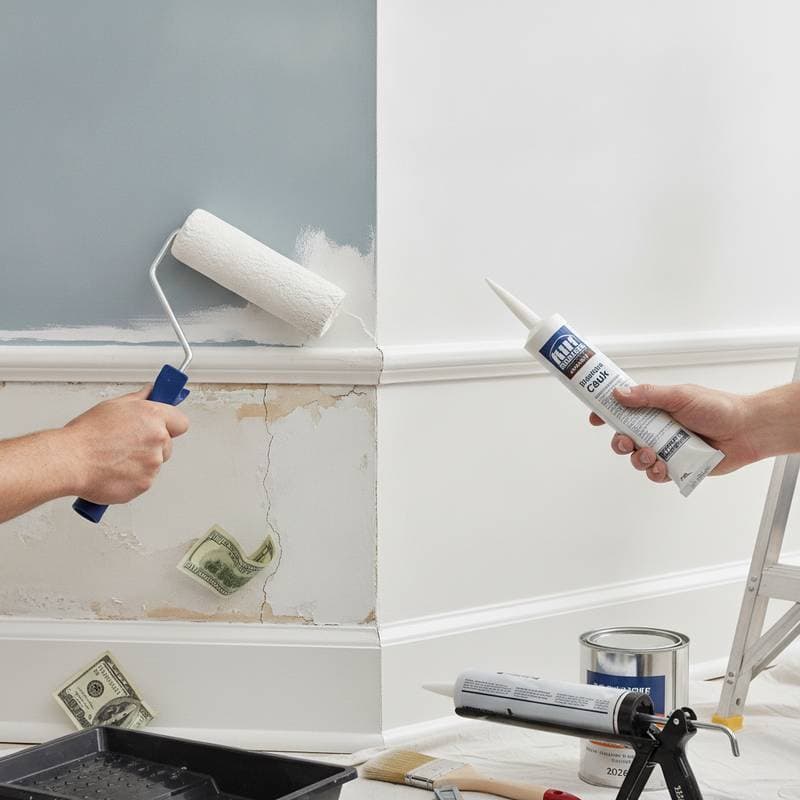
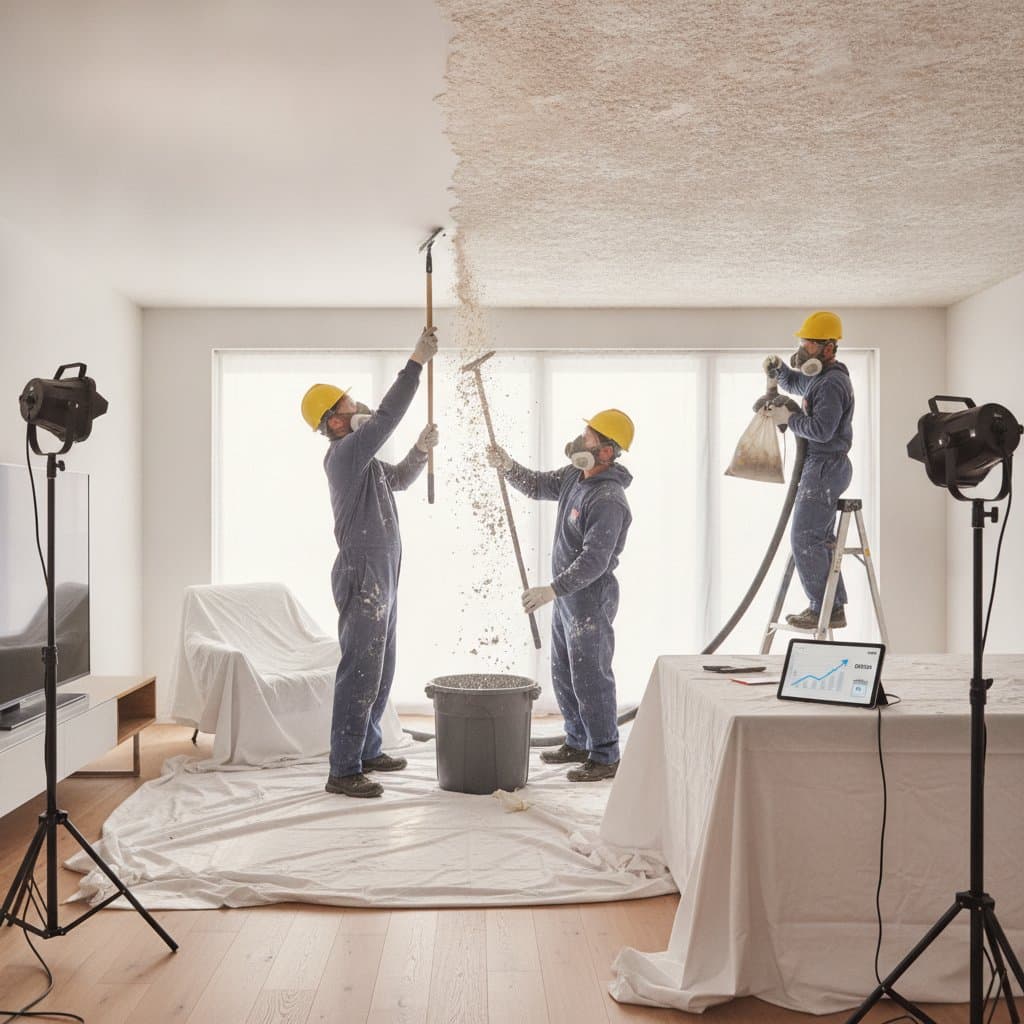
- Surface Preparation: Dedicate one to three days to thorough cleaning, repairing imperfections, and applying primer for optimal adhesion and even coverage.
- Application of Paint: Plan two to five days based on room count, required coats, and complexity of layered effects to capture natural depth.
- Curing and Final Review: Reserve one to two days for drying, followed by inspections and minor adjustments before repositioning furnishings.
Factors like project scale, ambient humidity, and paint composition influence durations. Mineral-based or natural formulations often extend curing periods yet yield durable, breathable results that enhance indoor air purity over time.
Steps to Prepare for Your Biophilic Project
Homeowners play a vital role in facilitating efficient execution. Proactive measures minimize disruptions and maximize results.
- Clear rooms by relocating furniture and protecting floors with drop cloths or plastic sheeting.
- Evaluate paint samples in diverse lighting conditions, from morning sun to evening lamps, to confirm tonal accuracy.
- Specify desired sheens, such as matte for a velvety texture or eggshell for subtle luminosity, to match functional needs.
- Ensure robust ventilation throughout the process and beyond to maintain fresh air circulation.
Post-painting, permit full drying before reintroducing elements. Opt for upkeep with pH-neutral, plant-derived cleaners and microfiber tools to sustain vibrancy without compromising health.
Planning Your Biophilic Transformation
Embark on this journey by assessing your home's current palette and wellness goals. Collaborate with experts versed in sustainable materials to curate a scheme that resonates personally. Budget for premium, low-emission paints that align with biophilic ideals, recognizing their investment in enduring serenity.
Visualize outcomes through mood boards featuring real-world applications, from serene studies to vibrant yet calming playrooms. Track progress with a simple timeline, adjusting for seasonal factors like temperature that affect paint performance.
Frequently Asked Questions
How Much Does a Biophilic Painting Project Cost?
Projects generally span $2,000 for modest areas to $12,000 for comprehensive interiors. Expenses hinge on premium paint selections, surface area, and preparatory work. Sustainable options like mineral paints carry higher initial prices but contribute to superior air quality and wellness benefits over years.
How Long Does the Project Typically Last?
Expect one to two weeks encompassing consultation, prep, application, and curing. Expansive properties or intricate finishes extend timelines, particularly with eco-paints needing prolonged settling for full efficacy.
Is DIY Painting Suitable, or Should Professionals Handle It?
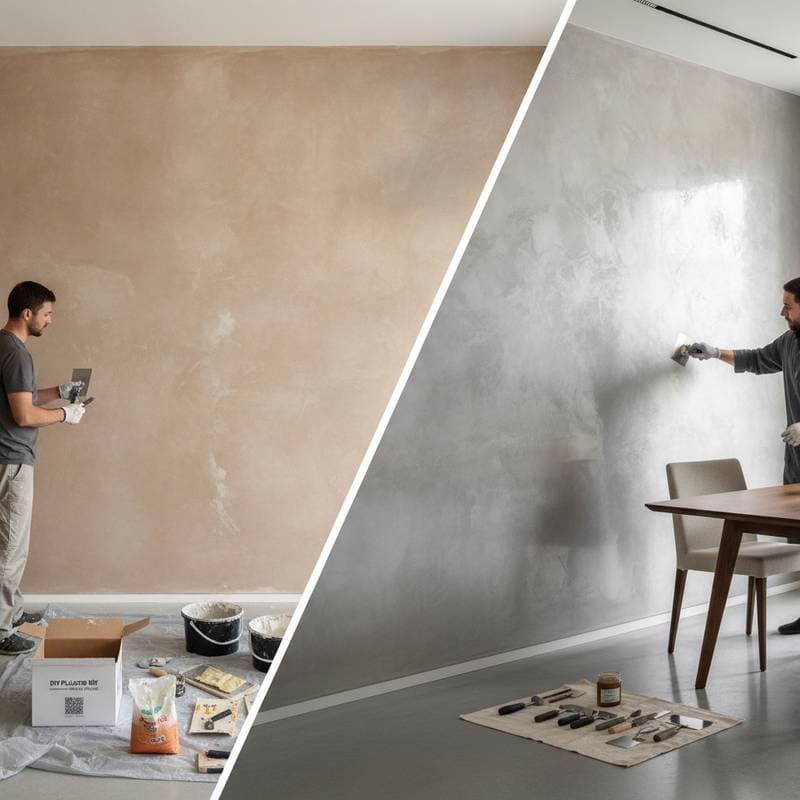
Small-scale efforts suit basic applications, but experts excel in expansive or nuanced undertakings. Professionals master nuances like light interplay, hue harmonization, and safe handling of natural products, guaranteeing flawless execution.
What Qualities Define a Reliable Painting Contractor?
Verify credentials including licenses, insurance coverage, and client testimonials. Inquire about proficiency with zero-VOC formulas and demand transparent quotes outlining materials and methods. Trustworthy providers detail selections and back their work with warranties.
Which Paints Suit Wellness Homes Best?
Prioritize low- or zero-VOC varieties, alongside mineral paints free of synthetics. Pigments sourced from earth, lime, or botanicals yield authentic, breathable tones that embody biophilic essence without off-gassing concerns.
How Do You Maintain Wellness-Oriented Painted Surfaces?
Employ gentle, biodegradable cleaners and non-abrasive tools for routine care. Steer clear of solvents that erode coatings or introduce toxins. Consistent upkeep with these methods upholds color integrity and nurtures a healthful indoor ecosystem.
Realize Wellness Through Natural Hues
Adopting biophilic colors elevates homes into havens of renewal. These thoughtful applications not only beautify but also heal, fostering harmony amid daily life. Take the first step toward a balanced 2026 living space by envisioning nature's embrace within your walls.