Understanding Homeowner Expectations for Smooth Wall Finishes
Homeowners seeking impeccably smooth walls often encounter two primary finishing techniques: skim coating and Level 5 finishing. These methods deliver seamless surfaces, but they vary significantly in terms of expense, application processes, and long-term durability. By grasping these distinctions, individuals can select a wall treatment that aligns precisely with their aesthetic preferences, financial constraints, and specific project requirements.
Smooth walls enhance the visual appeal of any space, particularly when paired with modern paints or lighting fixtures. Skim coating addresses surface irregularities on existing drywall, while Level 5 finishing sets the benchmark for professional-grade perfection. This guide provides the insights necessary to navigate these options effectively.
Overview of Skim Coating and Level 5 Finishing
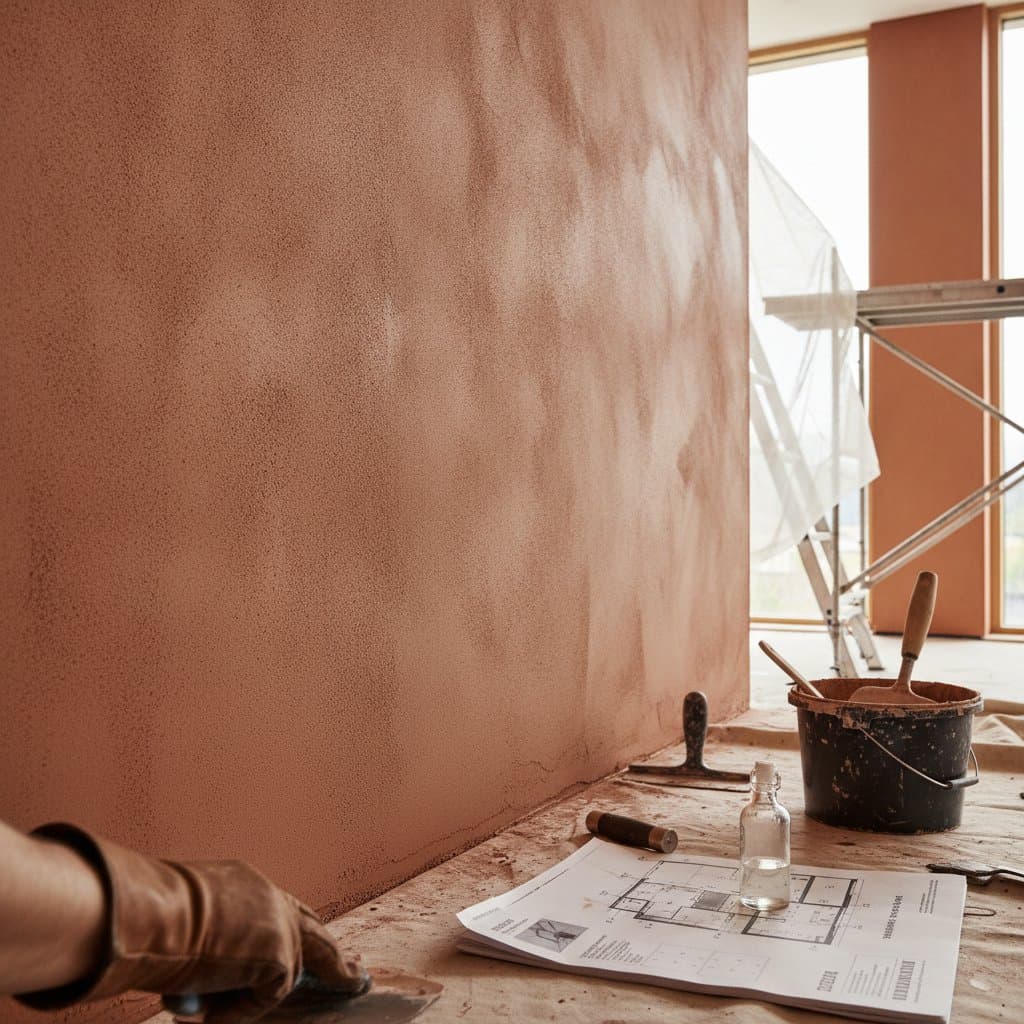
Skim coating entails spreading a thin layer of joint compound over the entire wall to mask minor flaws, such as texture remnants, small cracks, or previous repair patches. Professionals typically apply this finish to older drywall surfaces that require refreshing without a complete overhaul. The process involves multiple light applications, followed by sanding to achieve evenness.
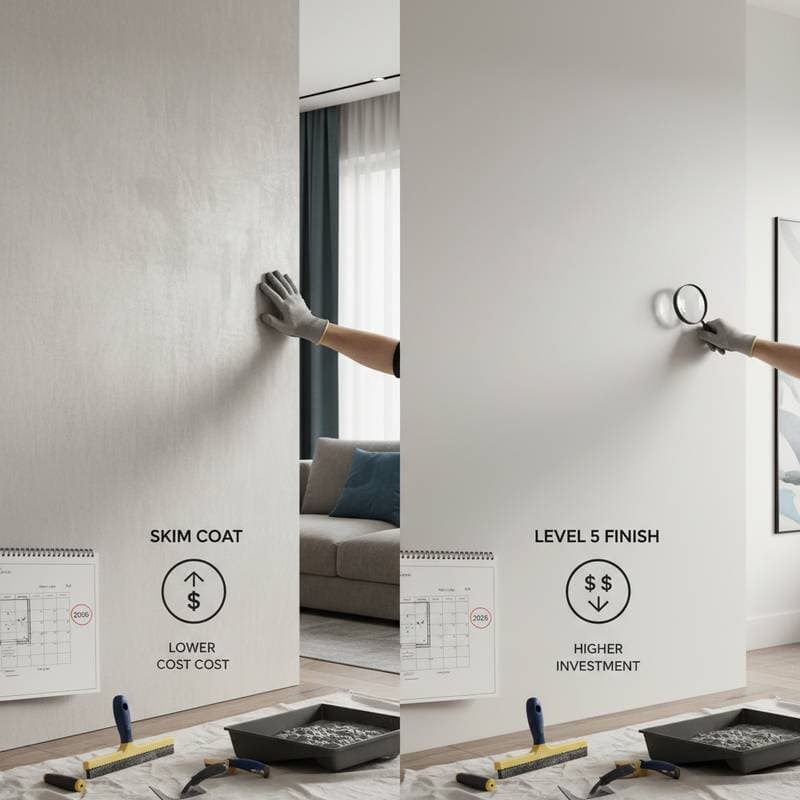
In contrast, a Level 5 finish represents the pinnacle of drywall standards, as defined by industry guidelines from the Gypsum Association. It builds upon the foundational elements of a Level 4 finish, which includes taping, mudding, and basic sanding of joints and fasteners. The distinguishing feature of Level 5 is an additional full skim coat across the wall, coupled with meticulous sanding to eliminate all visible imperfections. This results in a surface ready for painting that appears uniformly flat, even under raking light or with high-sheen finishes.
Both techniques yield polished results, yet Level 5 excels in demanding environments like home theaters or kitchens where lighting can accentuate subtle flaws. Homeowners benefit from considering the room's purpose when evaluating these options.
Detailed Cost Analysis
Budgeting for wall finishing requires a clear understanding of pricing components. Costs fluctuate based on regional labor rates, material selections, and project scope, but national averages provide a reliable starting point.
Typical Pricing Ranges
- Skim Coating: $1.20 to $1.80 per square foot for standard applications on moderately prepared surfaces.
- Level 5 Finish: $2.00 to $3.50 per square foot, encompassing comprehensive preparation and finishing steps.
- Premium Level 5 with Advanced Materials: $3.50 to $5.00 per square foot, incorporating low-dust compounds or enhanced primers for superior results.
Core Components of the Quote
Every estimate should cover essential elements to ensure transparency:
- Labor: Preparation of the surface, mixing of compounds, precise application, and thorough sanding.
- Materials: High-quality joint compound, joint tape, primer coats, and necessary tools like trowels and sanders.
- Cleanup: Removal of dust and debris, along with a final inspection to confirm surface readiness.
Additional Expenses to Anticipate
Certain project aspects may incur extra charges:
- Pre-finishing repairs for significant damage, such as large holes or water stains.
- Extension to ceilings or complex architectural features like tray ceilings.
- Specialized assessments under simulated lighting conditions or extra sanding for glossy paint compatibility.
Key Influences on Total Expenses
| Factor | Impact Level | Specific Examples |
|---|---|---|
| Initial Wall State | Moderate | Extensive cracks or uneven seams demand additional priming and filling. |
| Project Scale | High | Expansive rooms or multi-story homes extend labor hours significantly. |
| Environmental Factors | Moderate | High humidity prolongs drying, potentially adding days to the schedule. |
| Finish Requirements | Moderate | Demands for ultra-smooth results under LED lighting necessitate finer tools. |
These variables underscore the importance of a detailed site assessment before committing to a contractor.
Realistic Timeline Projections
Project duration hinges on the chosen method and external conditions. Skim coating projects for a standard room often span one to three days, allowing for application, drying intervals, and final sanding. Smaller areas, like a single accent wall, may conclude in a single day with optimal weather.
Level 5 finishing requires more time, typically four to five days for a full room. This accounts for layered applications, extended drying periods between coats, and precision sanding to avoid overworking the surface. Factors such as ambient humidity, ventilation quality, and compound type can extend timelines; for instance, low-VOC materials dry slower in moist climates.
Homeowners should plan around these schedules to minimize disruption, coordinating with painters who follow immediately after completion.
Guidance on Professional Services Versus DIY Attempts
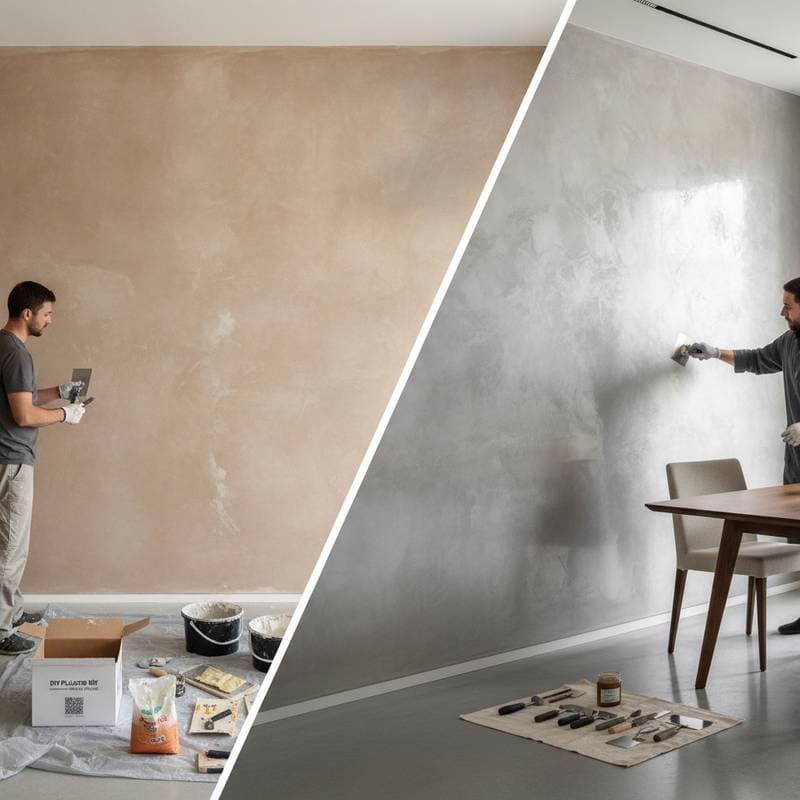
For minor touch-ups, such as patching a small section, an experienced homeowner might manage a basic skim coat using readily available tools like a wide knife and fine-grit sandpaper. However, achieving professional uniformity across an entire room demands expertise in layer control and dust management.
Level 5 finishing is unequivocally a task for trained professionals. The technique involves exacting control over compound thickness to prevent issues like telegraphing seams or paint adhesion problems. Without specialized equipment, such as orbital sanders or dust extractors, DIY efforts often result in visible inconsistencies that compromise the final appearance.
Investing in professional services ensures compliance with building codes and delivers enduring quality, justifying the upfront cost through reduced future maintenance.
Strategies for Selecting a Reliable Contractor
Engaging the right expert transforms a complex project into a seamless experience. Homeowners should prioritize the following steps:
- Confirm the contractor holds valid licensing and comprehensive insurance to safeguard against liabilities.
- Review portfolios of completed projects, focusing on examples of smooth finishes in similar settings.
- Obtain multiple written bids that specify materials, coat counts, sanding protocols, and total timelines.
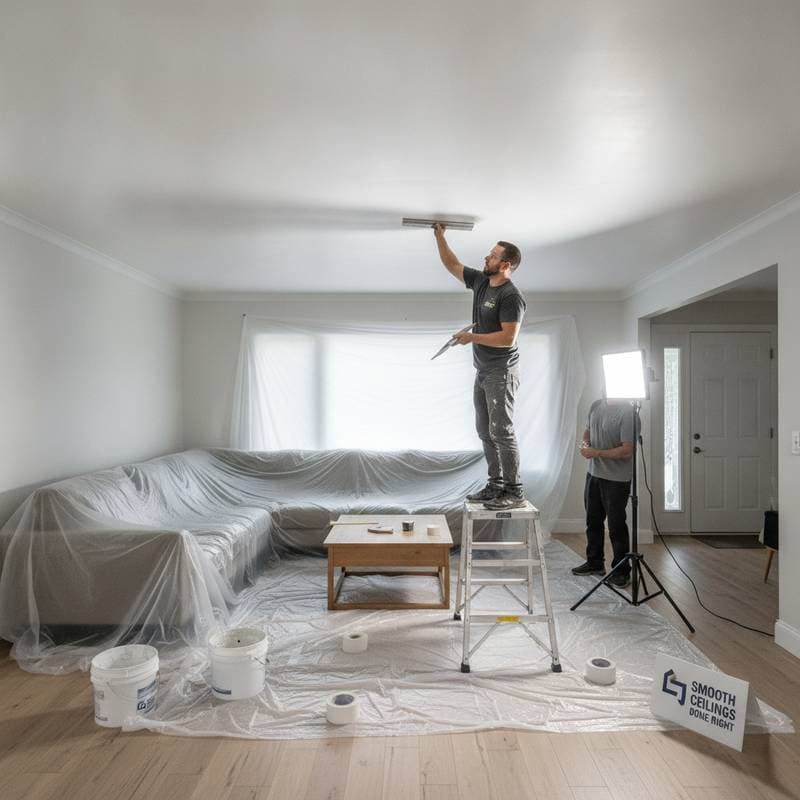
- Inquire about protective measures, including plastic sheeting for dust containment and post-job cleanup standards.
Reputable firms often provide warranties on their work, adding peace of mind for long-term satisfaction.
Steps to Plan and Execute Your Wall Finishing Project
Begin by assessing your walls' current condition through a walkthrough, noting areas of concern like settling cracks or outdated textures. Consult with two or three contractors for on-site evaluations to receive tailored recommendations.
Next, align the finish level with your home's usage: opt for skim coating in low-traffic areas with matte paints, reserving Level 5 for prominent spaces. Secure permits if required for structural changes, and schedule around seasonal humidity to optimize drying.
Finally, prepare the space by removing furniture and fixtures, ensuring a clear path for workers. This proactive approach minimizes delays and maximizes the project's success.
Insights from Common Inquiries
Why Does a Level 5 Finish Command a Higher Price Than Skim Coating?
The elevated cost stems from the multi-layered process, including extensive sanding and quality assurance checks. These steps guarantee a surface free of all tool marks and joints, ideal for demanding aesthetic standards.
What Is the Expected Duration for a Level 5 Project?
Standard completions occur over four to five days, with pauses for drying. In controlled environments, timelines may shorten, but rushing compromises the finish's integrity.
In What Scenarios Does Skim Coating Outperform Level 5?
Select skim coating for refreshing existing walls with subtle imperfections or when using flat paints that forgive minor variances. Reserve Level 5 for pristine new installations or areas exposed to intense illumination.
How Can One Identify a Skilled Drywall Specialist?
Seek licensed experts with documented experience in high-level finishes. Demand detailed proposals, examine references, and verify adherence to dust mitigation practices.
What Options Exist If Flaws Emerge Post-Painting?
Address small defects through targeted sanding and compound application, followed by repainting. Extensive problems might necessitate localized re-finishing to restore uniformity.
To What Extent Does Lighting Influence Perceived Wall Smoothness?
Directional or harsh lighting amplifies subtle irregularities, making them prominent. A Level 5 finish mitigates these effects, ensuring consistent elegance across varying conditions.
Achieving Lasting Value Through Informed Wall Finishing Choices
Selecting between skim coating and Level 5 finishing empowers homeowners to balance quality with affordability. Each method offers distinct advantages, from cost-effective renewal to uncompromising perfection. By evaluating project specifics and partnering with qualified professionals, you secure walls that elevate your living spaces for years to come, enhancing both comfort and property value.