Venetian Plaster: Professional $8,000 Installation vs. $800 DIY Approach
Venetian plaster commands attention in contemporary interiors, transforming ordinary walls into luxurious surfaces. This material imparts natural depth, elegance, and subtle texture. Historically confined to opulent hotels and historic properties, Venetian plaster now appeals to homeowners, interior designers, and enthusiasts. The appeal lies in achieving this effect affordably. Options range from a professional installation costing approximately $8,000 to a do-it-yourself project at around $800, both capable of delivering impressive results. Examine the elements that define this finish and strategies for selecting the best option for a given space and budget.
Characteristics of Venetian Plaster
Venetian plaster consists of lime putty combined with marble dust, producing a subtle, light-reflecting sheen. Application involves multiple thin layers, followed by burnishing to yield a stone-like feel with a silken glow. The material breathes, withstands wear, and resists mold growth naturally. Its environmental benefit stems from lime's ability to absorb carbon dioxide during curing.
In visual media, Venetian plaster appears multidimensional and vibrant without overwhelming the scene. Designers favor it for its versatility on sets and in publications. In physical spaces, the surface remains cool to the touch and adaptable to customization, turning each wall into a unique artistic element.
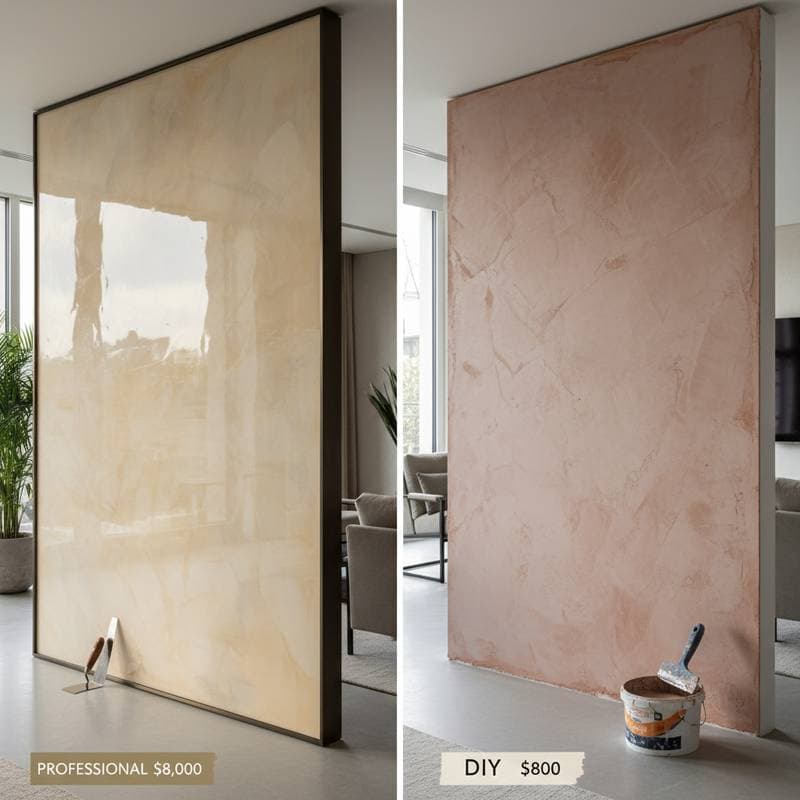
Professional Installation at $8,000
A professional Venetian plaster application for a standard room typically costs about $8,000. This price encompasses high-quality materials, expert labor, thorough surface preparation, and precise finishing. The outcome features seamless integration, refined aesthetics, and longevity spanning decades.
Benefits of Professional Service:
- Specialized Application Methods. Experienced artisans employ steel trowels to layer and burnish plaster with consistent precision, ensuring every application contributes to uniformity.
- Comprehensive Surface Preparation. Professionals address repairs and apply primers to promote optimal adhesion.
- Uniform Texture and Coloration. Experts maintain consistent depth, tone, and luster across expansive surfaces.
- Efficient Execution. Crews complete the work swiftly while containing dust and debris.
Such expertise suits upscale renovations or commercial projects. It proves valuable for intricate designs, including varied hues or effects like metallic infusions or high-polish marble simulations.
Do-It-Yourself Approach at $800
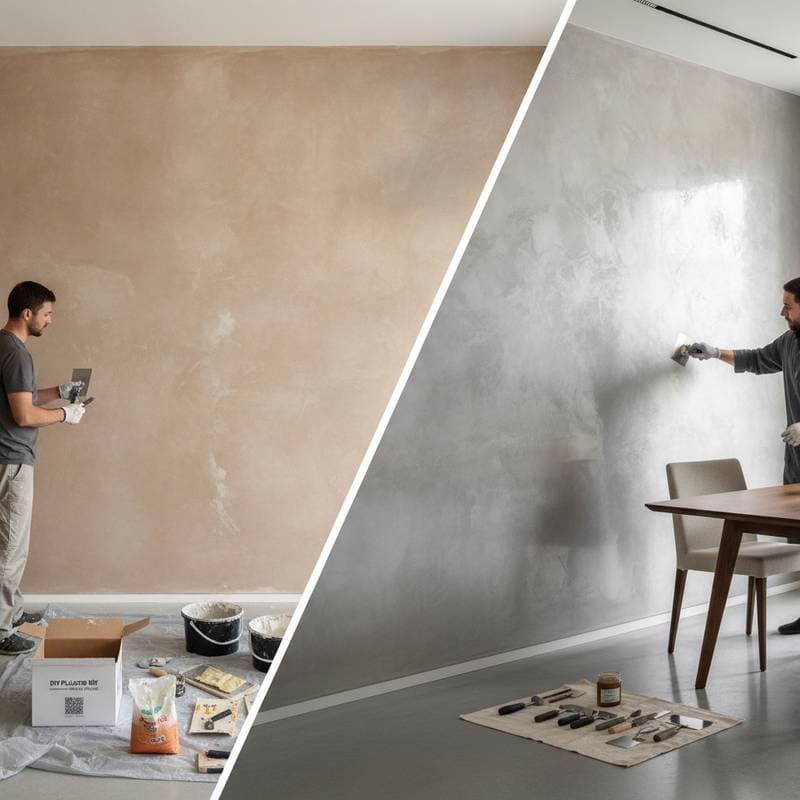
Achieve a comparable Venetian plaster appearance for roughly $800 through accessible materials and methodical techniques. This budget covers plaster compounds, primers, essential tools, safety equipment, and practice panels.
Cost Breakdown for DIY:
- Materials: Lime-based or acrylic plaster mixtures, primer, sealer, and pigments (approximately $400).
- Tools: Steel trowel, mixing hawk, burnishing tool, drop cloths, masking tape, and abrasives (approximately $200).
- Additional Supplies: Respirator, gloves, and test panels (approximately $50).
- Contingency: Reserve funds for corrections or additional coverage (approximately $150).
Success depends on patience and incremental progress. Apply two to three thin coats, allowing full drying between layers. Burnish softly with a clean trowel or blade to develop the desired sheen. The repetitive process fosters a meditative rhythm after initial practice.
Selecting the Appropriate Method
Consider these key factors when deciding:
- Scope of the Project. Smaller areas, such as accent walls or bathrooms, lend themselves to DIY efforts. Larger spaces, like open living rooms, may benefit from professional handling.
- Skill Level with Fine Work. The technique demands deliberate, layered application. Individuals who enjoy meticulous tasks will find it rewarding.
- Future Considerations. Professional results maximize durability and enhance property value. DIY projects offer customization and adaptability.
Visual and Practical Advantages
In high-definition footage, Venetian plaster captures light dramatically, concealing flaws while amplifying color depth. In everyday settings, it fosters a serene, upscale atmosphere. Walls treated this way often require minimal additional decor, allowing the surface to serve as the focal point.
Lighting plays a crucial role. Position adjustable fixtures, such as sconces or low lamps, to highlight the plaster's luster. Evaluate illumination during the process, as it may expose inconsistencies needing refinement before final sealing.
Scaling Venetian Plaster by Budget
Adapt the finish to financial constraints while preserving its essence:
- Budget Option (Under $500): Opt for Venetian-inspired paints or limewashes. These provide tonal variation and subtlety without multilayered application, ideal for temporary updates or rentals.
- Moderate Investment (Around $800): Pursue authentic DIY with lime or acrylic formulations. Prioritize durable tools and allocate time for quality execution.
- Premium Choice (Around $8,000): Engage skilled professionals for impeccable results, bespoke color matching, and enduring performance.
All tiers convey texture, character, and refinement. Variations occur in polish and lifespan rather than inherent appeal.
Practical Material Considerations
Experience shows that lime-based plasters develop an attractive patina over time, enhancing authenticity. Acrylic alternatives simplify application, accelerate drying, and improve stain resistance. Selection depends on environmental demands.
In moisture-prone areas like bathrooms, apply wax or sealant post-burnishing to safeguard the finish while preserving its radiance. Conduct patch tests, as some products intensify color unexpectedly.
Blending Tradition with Modern Techniques
Venetian plaster unites heritage craftsmanship with contemporary advancements. Artisans incorporate natural pigments from clay or charcoal for tinting. Metallic additives introduce understated gleam, while damp plaster accepts subtle stamping or stenciling for patterned effects.
Prepare by crafting a sample board with selected materials under intended lighting. Observe color shifts and sheen development from a distance. Refine pigment ratios or application pressure to achieve the preferred outcome.
Professional Applications and Value
For contractors or business owners, offering Venetian plaster services appeals to clients seeking distinctive interiors. Success requires process documentation, material proportion tracking, and staged photography to build a robust portfolio and ensure reproducibility.
Homeowners eyeing resale should note that expert Venetian plaster conveys meticulous design, implying thoughtful investment. This detail elevates perceived quality and supports higher market positioning.
Maintenance and Longevity
Completed Venetian plaster demands minimal upkeep. Wipe surfaces with a dry cloth and steer clear of abrasive cleaners. Minor abrasions often resolve with gentle buffing using a soft implement. Over time, recoloring involves overlaying new layers or repainting directly.
The enduring reward emerges in how light interacts with the surface, evoking natural opulence. This finish encapsulates artistry and intention, delivering a sensory experience that enhances daily living.