The $800 Paint Fail: Skip Deglossing at Your Peril
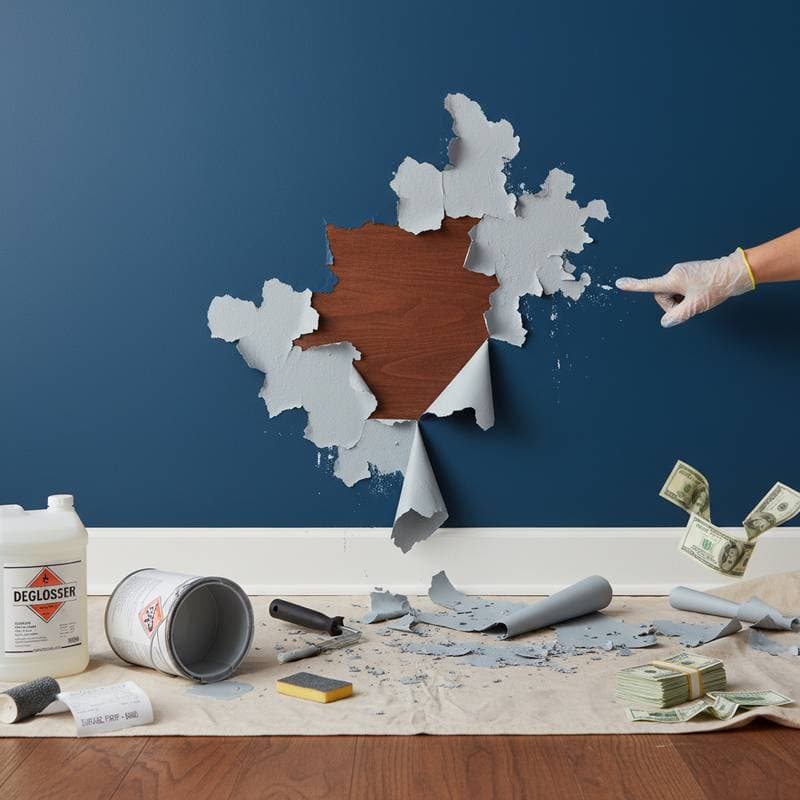
A fresh coat of paint transforms a room, yet one overlooked step can lead to expensive repairs. Homeowners often proceed directly to painting glossy or previously coated surfaces without adequate preparation. The initial appearance may satisfy, but peeling, chipping, or bubbling soon follows. Remedying such issues demands significant expense in materials, time, and effort. The primary reason for these failures lies in neglecting deglossing.
Deglossing forms the cornerstone of effective surface preparation. Without this process, paint fails to bond with smooth or sealed surfaces, resulting in uneven application and premature deterioration. Homeowners who grasp the purpose of deglossing, its importance, and correct execution methods avoid costly setbacks like the $800 paint failure.
Understanding Deglossing
Deglossing eliminates the glossy layer from surfaces including semi-gloss walls, varnished wood, or cabinets. Paint requires a textured base for secure attachment. Glossy coatings, despite appearing clean, resist adhesion much like water on glass. By creating a mild roughness, deglossing enables new paint to form a strong bond.
Two primary techniques exist for deglossing:
- Chemical deglossing with liquid sandpaper or specialized agents.
- Mechanical deglossing through sanding blocks or fine-grit sandpaper.
Selection depends on surface material, existing finish condition, and the individual's familiarity with preparatory tasks.
Project Cost Analysis
Typical Cost Ranges
- Basic tasks (walls or trim): $200 to $400
- Standard tasks (doors, cabinets, or several rooms): $400 to $800
- Extensive tasks (intricate woodwork or complete home repaint): $800 to $1,500
Standard Inclusions
- Surface cleaning and deglossing
- Primer application to promote adhesion
- Two layers of paint
- Labor and site cleanup by professionals
Additional Expenses
- Elimination of loose or flaking prior paint
- Fixes for compromised drywall or wood
- Specialized primers addressing smoke, water, or stains
- Premium paint options or custom hues
Influences on Total Expenses
| Factor | Impact Level | Specific Instances |
|---|---|---|
| Surface state | Moderate to high | Accumulated dirt, high-gloss layers, or loose paint demand extended preparation |
| Paint grade | Moderate | Superior paints offer enhanced coverage at increased cost per gallon |
| Labor charges | High | Metropolitan locations typically feature elevated hourly fees |
| Access challenges | Moderate | Elevated ceilings or confined spaces necessitate additional time and tools |
Initial time savings from omitting deglossing prove illusory. Paint failure prompts repainting, often doubling expenses through required sanding, scraping, and re-priming.
The Critical Role of Deglossing in Success
Adhesion depends on surface energy. Glossy surfaces reflect light due to their even texture, which also repels fresh paint. Deglossing reduces shine, boosts friction, and provides a reliable anchor for coatings. Even premium paints or primers falter without this preparation.
A frequent error assumes primers render deglossing unnecessary. Primers enhance bonding, yet they require a prepared base to function optimally. Deglossing establishes the groundwork for primer effectiveness.
Consequences of Omitting Deglossing
Consider applying paint to kitchen cabinets absent sanding or chemical treatment. The result appears flawless initially. Within weeks, chips emerge near handles, followed by peeling in high-contact or moist areas. Full remediation involves stripping, priming, and repainting, with labor costs alone reaching $500 to $800 for average kitchens. Materials push the total near the original project sum.
Similar issues arise on bathroom walls, trim, or doors, where humidity and handling hasten degradation on unprepared surfaces.
DIY Versus Professional Deglossing
Suitable DIY Scenarios
Homeowners manage deglossing for modest undertakings, such as one room or select trim pieces. Liquid agents apply easily via cloth, and light sanding with fine-grit paper suits varied skill levels. Supplies cost less than $30, rendering this approach economical.
Reasons to Engage Professionals
Experts handle expansive projects, cabinetry, or multi-layered finishes. They employ industrial deglossers and techniques that yield uniform results without substrate harm. Identification of combined sanding and chemical needs falls within their expertise. Though labor fees appear substantial, the resulting longevity and finish quality warrant the outlay.
Steps for Effective Deglossing Preparation
Essential Homeowner Guide
- Clean surfaces with mild detergent to eliminate grease, oils, and residue.
- Shield floors and furnishings using drop cloths or sheeting.
- Assess finish by sanding a test patch; easy dulling suggests liquid deglosser adequacy.
- Wipe deglosser onto areas with a lint-free cloth, processing in manageable sections.
- Permit sufficient drying prior to primer or paint application.
Key Safety Measures
Solvent-based deglossers demand ventilated environments. Wear gloves, goggles, and masks to avert skin or respiratory irritation. Sanding requires dust masks and eye shields to block particle inhalation.
Project Timeline Overview
Standard deglossing and painting adhere to this sequence:
- Initial cleaning and prep: 2 to 4 hours per average room
- Deglossing phase: 1 to 3 hours based on surface details
- Priming and cure time: 4 to 6 hours
- Painting (dual coats): 4 to 8 hours overall
Collaborating with Painting Professionals
Choosing Qualified Help
Verify that quotes encompass preparation and deglossing. Inadequate bids risking skipped steps yield subpar outcomes. Inquire about:
- Preparation techniques prior to painting
- Primer and paint specifications
- Background with comparable surfaces like varnished elements or glossy trim
- Guarantees on adhesion and finish quality
Ensuring Clear Communication
Outline expectations at the outset. Seek regular updates and verify completion of stages from cleaning through priming. Dependable professionals encourage inquiries and maintain openness throughout.
Steering Clear of Preparation Errors
- Neglecting pre-deglossing cleaning, as contaminants hinder bonding.
- Selecting improper sandpaper grit; coarse varieties scar, while overly fine ones insufficiently abrade.
- Proceeding to paint prematurely post-deglossing, before full drying and residue removal.
- Bypassing primer, which seals and optimizes paint results.
- Opting for budget paints, prone to quicker breakdown.
Project Planning Essentials
Effective planning begins with surface evaluation. Determine deglossing needs through touch and sight tests. Budget for tools or professional services early. Schedule work during low-humidity periods to aid drying. Track progress against timelines to maintain momentum. These practices ensure a seamless process and enduring results.
Common Questions on Deglossing
How does professional deglossing influence painting costs?
It typically adds $1 to $2 per square foot, varying by surface and state. A standard room incurs $100 to $300, encompassing labor, supplies, and thorough cleaning.
What drying period follows deglossing before painting?
Liquid products dry in 30 to 60 minutes, yet allow several hours for residue dissipation. Adhere to product guidelines and test inconspicuous areas prior to priming.
Is deglossing avoidable with bonding primers?
Bonding primers assist adhesion, but excel on matte surfaces. Omission frequently causes early failure despite quality products. Combine both for optimal durability.
How to determine deglossing necessity?
Shiny or slick finishes like semi-gloss, varnish, or polyurethane demand it. Abrade gently with fine sandpaper; dulling and powder indicate preparation requirements.
What steps address existing peeling from inadequate prep?
Remove all loose paint via scraping. Smooth edges by sanding, clean meticulously, then degloss and prime before repainting. Professional intervention guarantees robust repairs.
Do chemical deglossers suit every surface?
They apply to wood, metal, and painted areas, but test plastics or laminates first. Ensure ventilation and comply with label safety protocols.