Venetian Plaster’s Rise in 2026: Weighing DIY Against Professional Installation
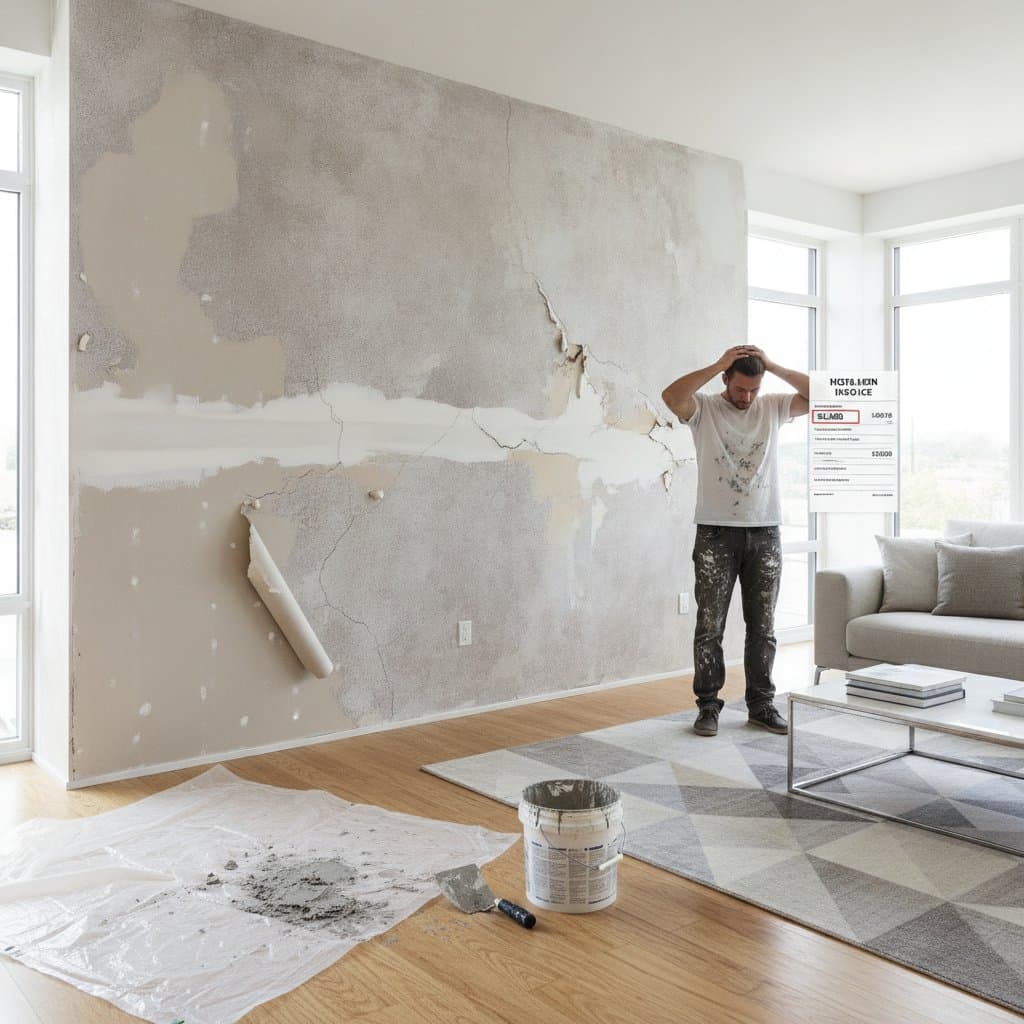
Venetian plaster experiences renewed popularity in 2026, appearing in upscale residences and practical living spaces alike. This finish combines a smooth, stone-like texture with enduring appeal, making it accessible beyond elite budgets. With proper preparation and technique, individuals can achieve satisfactory results independently. However, the flawless, luminous quality often requires professional expertise, which may cost approximately $8,000 for a complete room. This article explores the unique qualities of Venetian plaster, the DIY process, and scenarios where professional services from firms like O’Connor Painting LLC deliver substantial value.
Undertaking Venetian Plaster as a DIY Project
For those with manual skills and an interest in creative endeavors, applying Venetian plaster presents an engaging challenge. Success depends on meticulous preparation, appropriate tools, and repeated practice. The application emphasizes precision in technique over physical effort.
Essential Materials
- Trowel or spatula: Select stainless steel models to prevent rust stains on the surface.
- Venetian plaster mixture: Choose premixed options or powdered varieties that require reconstitution.
- Primer: Opt for a mineral-based formula to ensure strong adhesion to the wall.
- Protective equipment: Include gloves, safety goggles, and a respirator to safeguard against dust and fumes.
- Fine-grit sandpaper or polishing pad: Use these for smoothing and enhancing luster.
- Optional wax sealant: Apply this for added protection and a polished sheen.
Application Steps
- Prepare the surface thoroughly. Ensure walls remain smooth and free of debris. Repair imperfections such as holes or cracks, then sand to a level finish. Clean away all residue with a damp cloth.
- Apply primer. Spread a uniform, thin layer of mineral primer across the wall and allow it to cure completely.
- Add the initial coat. Hold the trowel at a low angle and apply the plaster evenly. Perfection proves unnecessary at this stage; permit the layer to dry entirely.
- Apply the subsequent coat. Employ varied, overlapping motions to build texture and depth. This step reveals the material’s potential for visual interest.
- Burnish the surface. When the plaster reaches a semi-dry state, rub with the trowel’s edge or a polishing pad to achieve a subtle glow.
- Apply sealant. In moisture-prone areas like bathrooms, use a breathable wax to protect the finish.
Cost Analysis
- Minimal investment (full DIY): Materials for a standard room typically range from $150 to $300.
- Moderate investment (hybrid approach): Hiring professionals for finishing touches may cost about $1,500.
- Substantial investment (complete professional service): Full installations in expansive areas or with complex effects can reach $8,000.
The DIY method reduces expenses while providing a textured outcome. Consistency represents the primary challenge; multiple attempts may prove necessary to refine the pattern and shine. View initial inconsistencies as opportunities for unique character rather than flaws.
Variations in Style and Finish
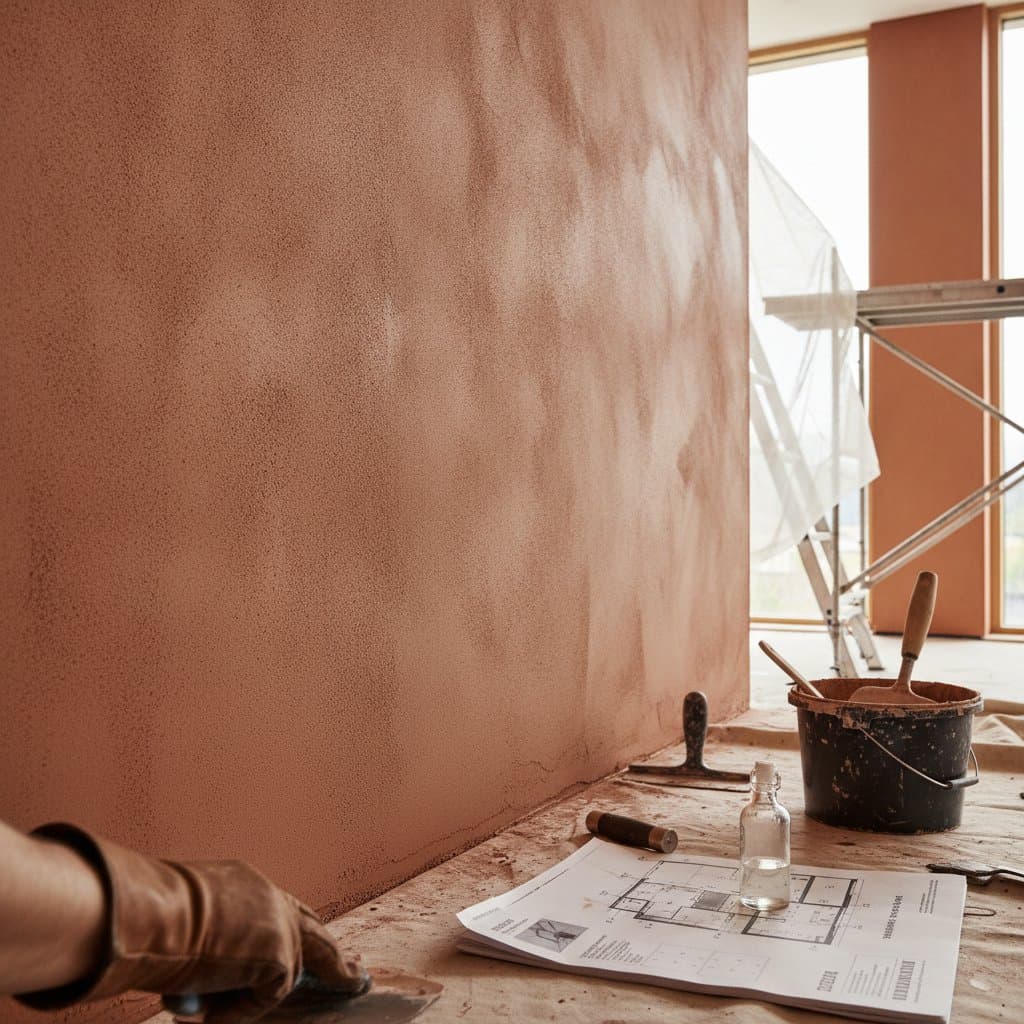
Venetian plaster offers versatility in appearance, allowing customization to suit diverse aesthetics. Finishes range from subdued matte effects to vibrant high-gloss surfaces, enhancing any interior scheme.
Popular Finish Types
- Matte: Delivers a soft, powdery texture ideal for rustic or understated designs.
- Satin: Provides a gentle luster that conveys refined sophistication.
- High gloss: Creates a mirror-like reflection for bold, opulent statements.
- Tinted variations: Incorporate pigments to achieve hues from warm earth tones to cool metallics or intense gem-like shades.
- Layered effects: Blend multiple tones for a nuanced, atmospheric depth.
Ideal Applications
- Bathrooms: The sealed surface resists humidity effectively.
- Living areas: It introduces dimension without relying on decorative elements.
- Accent walls: This treatment establishes a prominent architectural feature.
- Fireplace surrounds: It mimics natural stone’s appearance without added structural burden.
Enhancing Visibility Through Lighting Techniques
Venetian plaster interacts dynamically with illumination, amplifying its visual impact. Professional insights reveal how strategic lighting elevates the finish in residential settings.
- Lateral illumination: Accentuates surface texture and subtle patterns.
- Overhead lighting: Draws out underlying color variations.
- Daylight exposure: Showcases authentic shades and gentle transitions.
When documenting the project photographically, adjust exposure slightly higher to emphasize the material’s soft radiance. In physical spaces, the effect immerses occupants, while captured images benefit from thoughtful lighting to convey three-dimensional quality. Projects by O’Connor Painting LLC consistently yield striking visual results under various conditions.
Experiencing the Lasting Impact of Venetian Plaster
Completed Venetian plaster installations transform environments, fostering a sense of tranquility and refinement. The surface evolves with shifting light throughout the day, offering depth unattainable with standard paints. This interactive quality turns walls into integral design elements.
Individuals who complete the work themselves gain satisfaction from the hands-on process, where each application contributes to a bespoke result. Those opting for professional execution appreciate the seamless expertise evident in every detail. Regardless of approach, Venetian plaster balances extravagance with utility, delivering enduring pleasure through its sensory and aesthetic contributions.