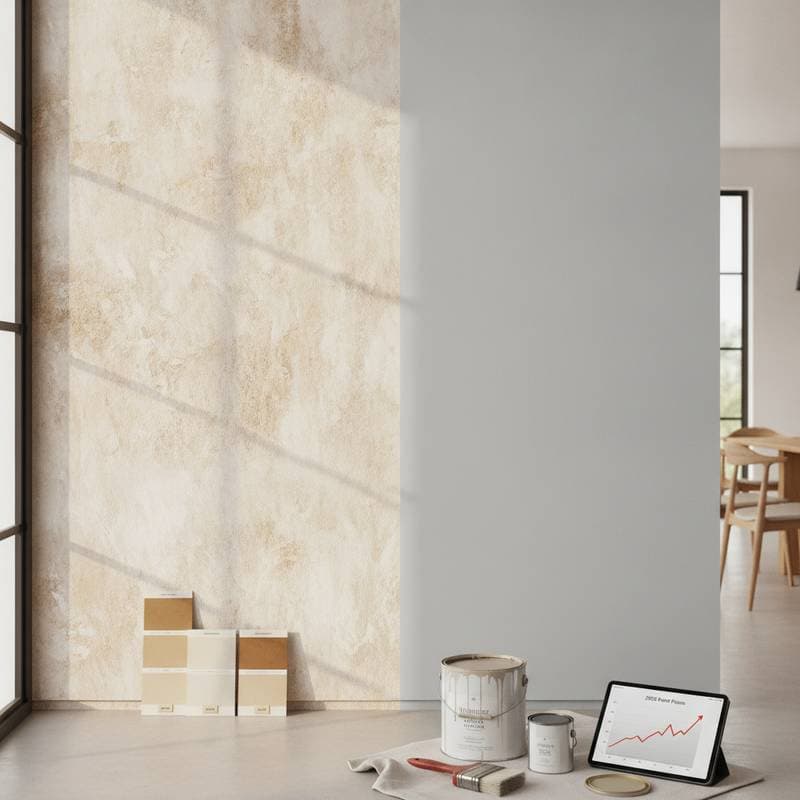
Why Bio-Based Paints Justify the Additional 30% Cost
When selecting paint in a store or supply warehouse, the bio-based options often appear more expensive, typically by about 30%. Before opting for a lower-cost alternative, consider the growing preference among professionals, homeowners, and commercial clients for these products. The advantages extend beyond environmental benefits to include superior performance, health improvements, and enduring value that validate the increased expense.
Understanding Bio-Based Paints: Alignment with Natural Processes
Conventional paints depend on petroleum-based components, including synthetic binders, solvents, and additives. These materials perform adequately but emit volatile organic compounds that affect indoor environments. Bio-based paints, in contrast, substitute these petrochemicals with renewable alternatives such as natural oils, resins, and minerals like linseed, soy, citrus, or clay.
This approach integrates with environmental cycles by utilizing resources that replenish over time. Importantly, bio-based paints maintain comparable durability and vibrancy to traditional formulas. Advancements in formulation ensure they meet rigorous performance criteria, demonstrating that sustainability does not compromise quality or appearance.
Analyzing the Cost: Strategies Across Budget Levels
The 30% premium may initially deter buyers, but evaluating it across different budget categories reveals clear returns on investment.
Low Budget: For minor updates, such as refreshing a rental property or a single room, apply bio-based paint to one accent wall. This approach allows observation of application ease, drying process, and overall finish without significant expenditure.
Mid Budget: In full-room projects, prioritize high-traffic zones like entryways, kitchens, or children's bedrooms. The minimal odor and low toxin profile prove particularly beneficial in areas with limited ventilation.
Higher Budget: During major renovations or new constructions, incorporate bio-based paints throughout. They enhance indoor air quality and align with green building certifications, potentially increasing property value as eco-conscious buyers seek safer materials.
Ultimately, the additional cost recoups through reduced maintenance needs, improved health outcomes, and extended lifespan.
Key Ingredients and Their Benefits
The effectiveness of bio-based paints stems from their natural composition. Natural oils serve as binders, forming robust films upon curing. Plant-derived solvents replace aggressive chemicals, resulting in cleaner air during application and beyond. Mineral pigments deliver stable, rich colors without relying on synthetic dyes.
Consider these core components:
- Natural Oils: Sources like linseed, sunflower, or soy provide a flexible base that hardens naturally and resists cracking.
- Mineral Pigments: Derived from earth materials, they offer consistent hues that maintain depth under varying light conditions.
- Biodegradable Additives: Sourced from plants, these enhance application flow and surface leveling.
- Low or Zero VOCs: This feature minimizes harmful emissions, supports safer indoor spaces, and simplifies cleanup.
These elements combine to produce a durable, permeable finish. The breathability prevents moisture accumulation, which helps avoid peeling on surfaces like plaster or wood.
Long-Term Performance Advantages
Practical experience in demanding settings, such as production environments, highlights the reliability of bio-based paints. They apply efficiently, capture light effectively for visual appeal, and withstand intense conditions like heat from lighting.
In everyday use, natural resins accommodate fluctuations in temperature and humidity, reducing the likelihood of cracks. This resilience translates to fewer repairs and longer intervals between repaints, often balancing the upfront cost within a few years.
Additionally, these paints resist discoloration more effectively than traditional oil-based options. The result is a finish that retains its original tone and cleans easily over time.
Enhancing Health and Comfort in Indoor Environments
A primary benefit of bio-based paints lies in their positive impact on air quality. Conventional paints can off-gas VOCs for weeks, potentially causing headaches, allergic reactions, and respiratory issues. Bio-based variants emit far fewer compounds, safeguarding occupants including children and pets.
In commercial settings, the reduced odor allows quicker reoccupation after painting. This leads to greater client satisfaction and maintained productivity for staff.
Environmental Sustainability in Practice
True sustainability encompasses sourcing, production, and disposal. Bio-based paints utilize renewable materials, drawing from replenishable resources. Certain formulations incorporate recycled plant oils or agricultural byproducts, easing demands on farming systems.
At the end of their lifecycle, many bio-based paints degrade more readily than synthetics, diminishing waste impacts. Selecting these products supports companies advancing green technologies, which in turn broadens access to sustainable options.
Practical Application Techniques
Bio-based paints require slight adjustments in handling compared to synthetic varieties. The following steps, drawn from professional projects, ensure optimal results.
-
Surface Preparation: Thoroughly clean all areas to remove dust and grease. These paints bond best to stable, dry bases.
-
Compatible Primers: Select primers formulated with natural ingredients to promote adhesion between layers.
-
Thorough Mixing: Natural pigments settle quickly; stir continuously to achieve uniform color distribution.
-
Drying Management: Allow ample time for curing, as natural oils polymerize gradually. Ensure good ventilation to accelerate the process.
-
Sample Testing: Apply to a small section first to evaluate absorption, sheen, and coverage on the specific surface.
With practice, the application becomes straightforward, yielding a professional, natural-looking outcome.
Professional and Commercial Rationale
For painting contractors and designers, adopting bio-based paints aligns with client demands for eco-friendly solutions. Offering these materials fosters credibility and differentiates services in competitive markets. They also mitigate health risks for applicators by limiting exposure to harmful substances.
Supply chains have improved, providing consistent quality and availability. This reliability enables integration into ongoing contracts or maintenance programs.
Furthermore, sustainable projects enhance visual appeal in marketing materials, facilitating easier promotion and client acquisition.
Experiencing the Benefits in Daily Use
After application and furnishing, the advantages of bio-based paints become evident. Indoor spaces feel invigorated with fresh air, even shortly after completion. Colors exhibit a subtle, authentic vibrancy without starkness.
Long-term, surfaces show less wear, clean with ease, and contribute to a harmonious environment. This choice elevates not only aesthetics but also well-being and ecological responsibility.
Begin incorporating bio-based paints at a scale that fits your needs, whether a single feature or a comprehensive update. Each application advances toward more sustainable living practices, confirming the 30% premium as a worthwhile commitment to quality and conscience.