Understanding Acoustic Ceiling Removal
Acoustic ceilings, popular in mid-century homes and commercial spaces, feature textured spray-on finishes designed to absorb sound and hide imperfections. Over time, these ceilings often harbor hazards like asbestos and lead paint, prompting homeowners to seek removal for safety and aesthetics. By 2026, the average cost for this service will climb to eight dollars per square foot, driven by evolving industry factors.
Removal transforms outdated, popcorn-like surfaces into sleek, modern ones. This process not only enhances visual appeal but also improves indoor air quality. Homeowners benefit from brighter rooms and higher property values after completion.
Factors Driving Costs to Eight Dollars Per Square Foot
Labor costs form a significant portion of the expense. Skilled workers command higher wages due to shortages in the construction sector. Expect rates to rise as demand for certified abatement specialists increases.
Safety regulations play a key role. Many acoustic ceilings contain asbestos, requiring mandatory testing before any work begins. Professional inspections and certifications add to the overall price tag.
Material and disposal fees contribute as well. Specialized equipment for safe removal, along with proper hazardous waste handling, incurs additional charges. Inflation in supply chains further elevates these elements by 2026.
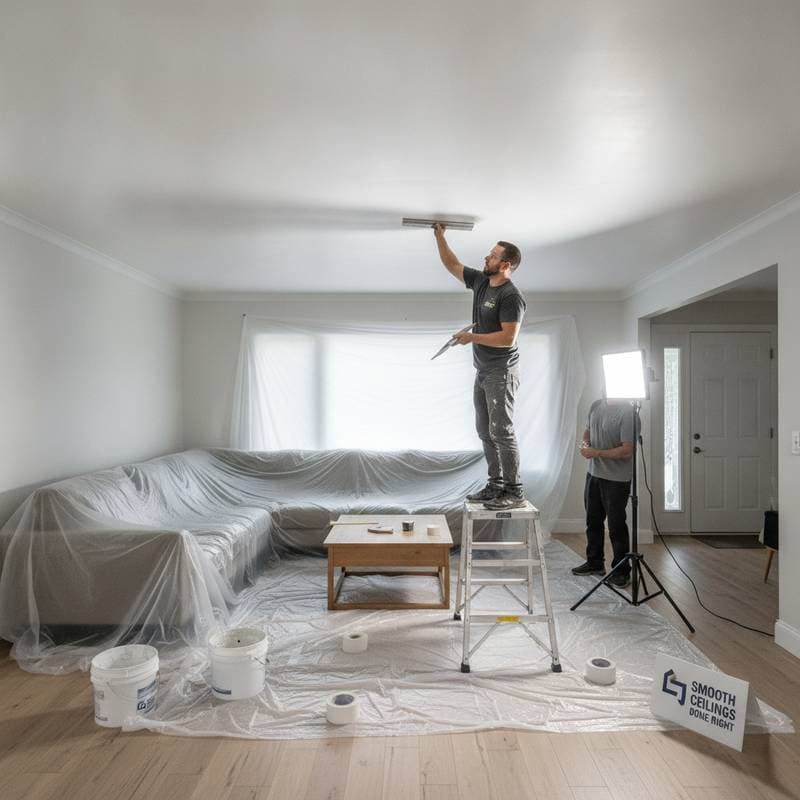
Finishing requirements complete the picture. After removal, ceilings demand patching, priming, and painting to achieve a smooth finish. Advanced techniques, such as level-five drywall finishing, ensure flawless results but increase labor time.
Step-by-Step Cost Breakdown
Initial Assessment and Testing
The process starts with a thorough inspection. Professionals evaluate the ceiling for asbestos or other contaminants using certified methods. This step typically costs between one and two dollars per square foot.
If hazards are present, abatement follows strict protocols. Containment setups and protective gear ensure worker and occupant safety. Delays from regulatory approvals can extend timelines and costs.
Removal Process
Once cleared, removal involves scraping or washing off the texture. Tools like sodablasting or chemical removers minimize damage to underlying surfaces. Labor for this phase accounts for three to four dollars per square foot.
Dust control measures, including negative air machines, prevent spread during work. These precautions comply with environmental standards and protect adjacent areas.
Refinishing and Final Touches
Post-removal, repairs address any imperfections. Joint compound application and sanding create a uniform base. This preparation sets the stage for painting.
High-quality paints and primers seal the surface. Opt for low-VOC options to maintain air quality. Finishing adds one to two dollars per square foot, depending on complexity.
Planning and Budgeting Strategies
Start early to secure quotes from licensed contractors. Compare at least three estimates to understand variations in approach and pricing. Factor in a ten to fifteen percent contingency for unexpected issues.
Timing matters. Schedule during off-peak seasons to potentially lower labor rates. Permits and inspections require advance planning to avoid fines or delays.
Explore financing options if needed. Some contractors offer payment plans, easing the upfront burden. Prioritize professionals with insurance to safeguard against liabilities.
Design Upgrades for Modern Ceilings
Consider tray or coffered designs during refinishing. These additions add depth and architectural interest without excessive cost. LED recessed lighting integrates seamlessly for ambient illumination.
Choose neutral tones to brighten spaces. Matte finishes reduce glare while highlighting room features. These enhancements elevate the overall aesthetic.
Sustainable materials, like recycled drywall compounds, align with green building trends. They minimize environmental impact and appeal to eco-conscious buyers.
Achieving Lasting Value Through Removal
Investing in acoustic ceiling removal yields immediate and long-term benefits. Safer living environments and updated interiors boost comfort and resale potential. Professional execution ensures durability, avoiding future repairs.
Homeowners who plan thoughtfully navigate rising costs effectively. The result is a refreshed space that feels contemporary and inviting. Take the first step toward transformation by consulting experts today.