Venetian Plaster: The $3K Luxury Replacing Drywall
Homeowners seeking alternatives to ordinary painted walls often turn to Venetian plaster for its refined qualities. This finish imparts depth, texture, and a subtle glow that standard drywall cannot achieve. Once limited to high-end interiors, Venetian plaster now enhances living rooms, kitchens, and bathrooms, blending design sophistication with practical durability. Although traditional drywall provides basic functionality, Venetian plaster delivers a superior visual and tactile experience, turning ordinary walls into striking architectural features.
Understanding Venetian Plaster
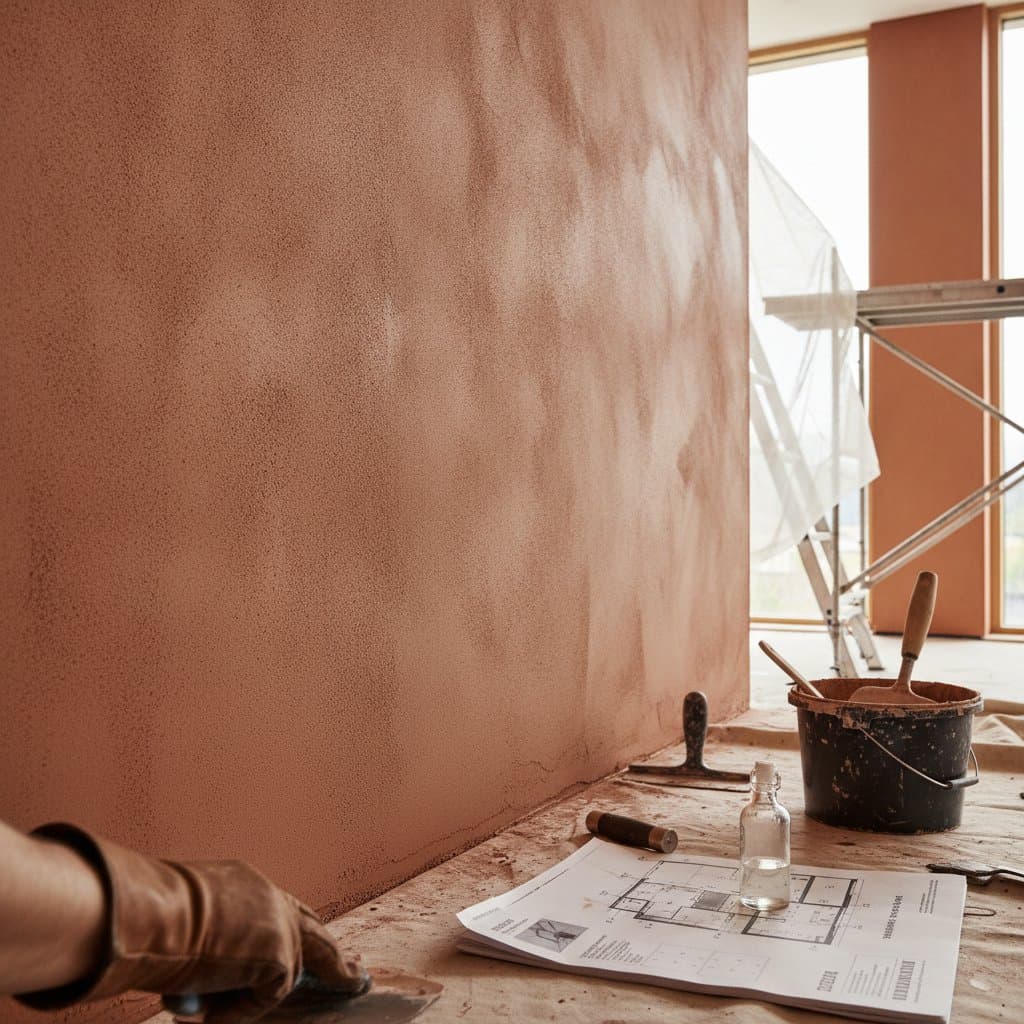
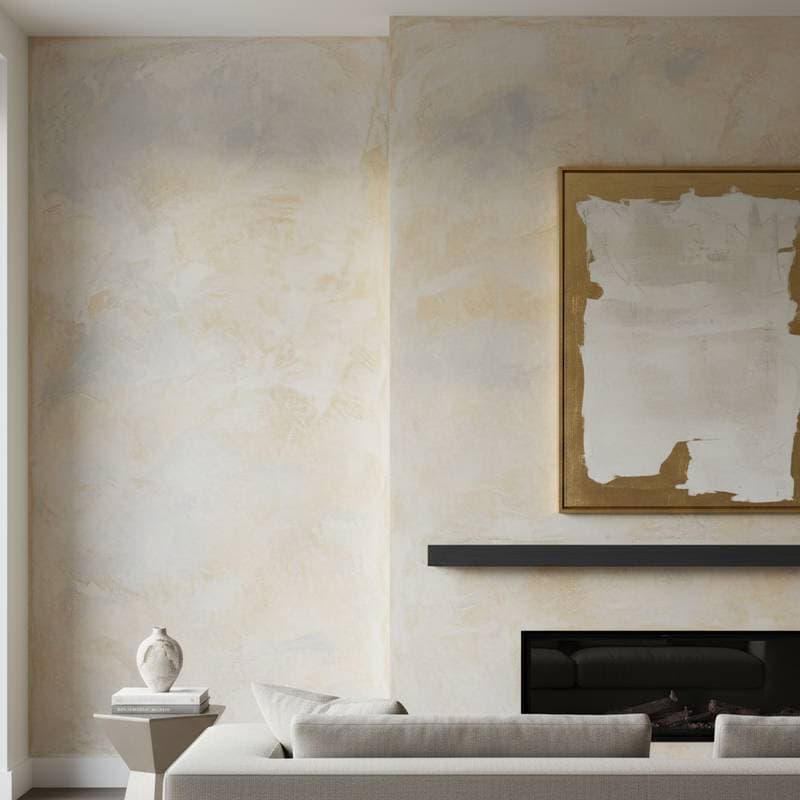
Venetian plaster consists of lime putty combined with marble dust. Skilled application yields a smooth, stone-like surface that captures light in nuanced patterns. Artisans tint the material across a broad spectrum of colors and polish it to varying sheens, from matte limestone to glossy marble. Hand-layering and burnishing ensure each wall possesses a distinctive character absent in machine-applied alternatives.
In contrast to drywall, which demands separate painting or wallpapering for color and depth, Venetian plaster serves as both substrate and finish. It resists fading, withstands humidity, and aids in moisture regulation within rooms. Those prioritizing longevity alongside artistic expression find it particularly appealing.
Project Cost Breakdown
Average Cost Ranges
- Basic project: $7 to $11 per square foot
- Standard project: $12 to $18 per square foot
- Premium project: $19 to $30 per square foot
A complete room generally costs between $3,000 and $8,000, influenced by dimensions and finish intricacy. Accent walls on a smaller scale incur lower expenses, whereas full-home applications with ornate details surpass these amounts.
What's Included
- Preparation of surfaces, encompassing patching and sanding of existing drywall
- Primer application followed by several plaster layers
- Burnishing or polishing to attain specified texture and luster
- Application of a protective topcoat or sealant to enhance durability and cleanability
What Costs Extra
- Specialized effects like metallic pigments, lime washes, or marbleized patterns
- Intricate wall geometries or elevated ceilings that extend labor duration
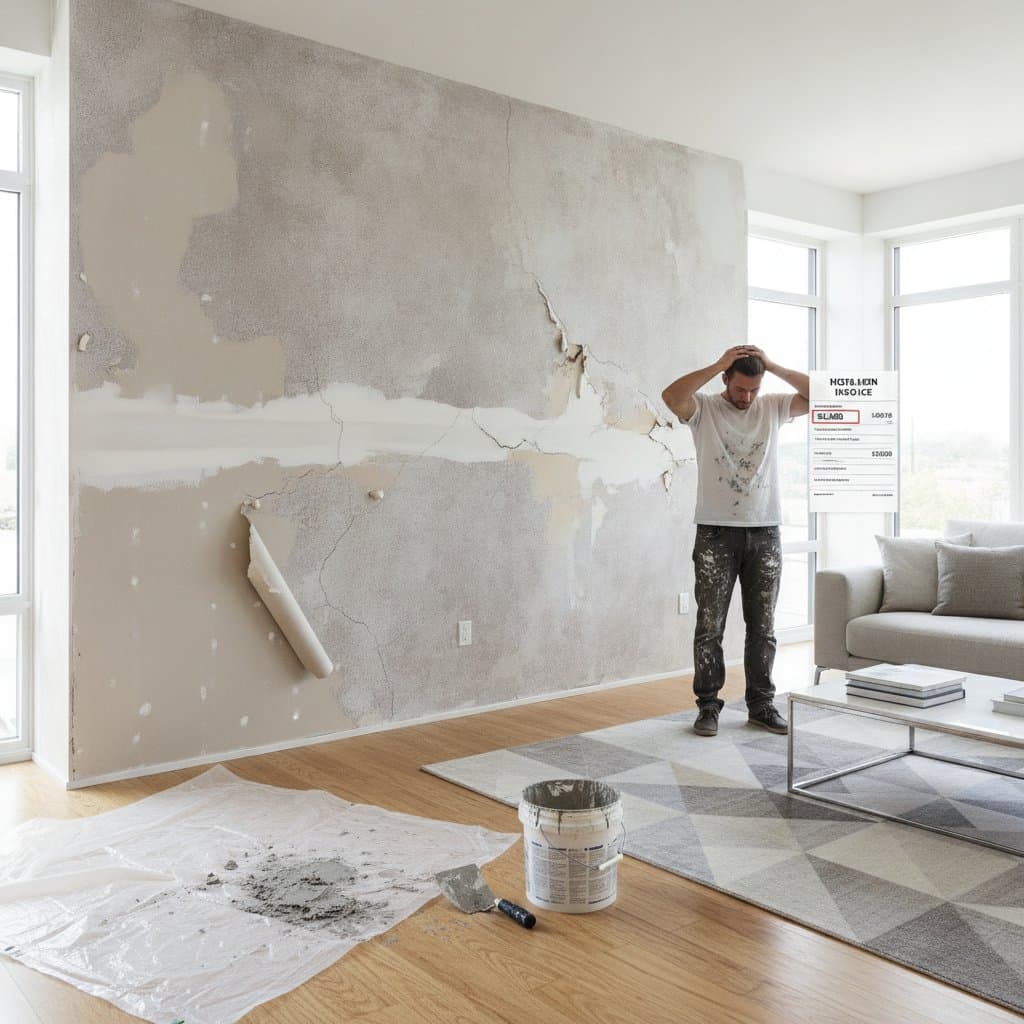
- Remediation of pre-existing drywall damage or moisture problems
- Bespoke color mixing and creation of sample boards
Factors That Affect Final Cost
| Factor | Cost Impact | Examples |
|---|---|---|
| Surface condition | Moderate | Cracked or uneven walls demand additional preparation |
| Finish complexity | High | Multi-tone or textured applications require extended time |
| Material quality | Moderate | High-grade lime and marble elevate expenses |
| Regional labor rates | Moderate | Artisan fees vary by geographic area |
| Project size | Low to moderate | Expansive surfaces sometimes lower per-square-foot rates |
Why Homeowners Choose It Over Drywall
Drywall functions as a blank canvas for paint or wallpaper, yet it forgoes the multidimensional quality of Venetian plaster. The plaster's inherent depth and sheen evoke masterful craftsmanship, instantly uplifting any environment. Individuals desiring enduring, European-style elegance regard it as a strategic, lasting investment over fleeting decor.
Over years, drywall reveals scuffs, dents, and visible seams, whereas Venetian plaster conceals minor flaws via its stratified texture. It performs reliably in humid settings, suiting kitchens and bathrooms effectively. Despite elevated upfront expenses, it demands little upkeep and seldom necessitates repainting.
Timeline Expectations
Venetian plaster projects typically span multiple days. Initial surface preparation occupies one full day, with plaster application requiring two to three subsequent days. Coats demand drying intervals, and final burnishing plus sealing add another day. Expansive or elaborate undertakings prolong this schedule. Drywall installation may conclude more swiftly, but Venetian plaster insists on deliberate pacing to secure optimal curing and artistic precision.
DIY vs. Professional Application
When DIY Makes Sense
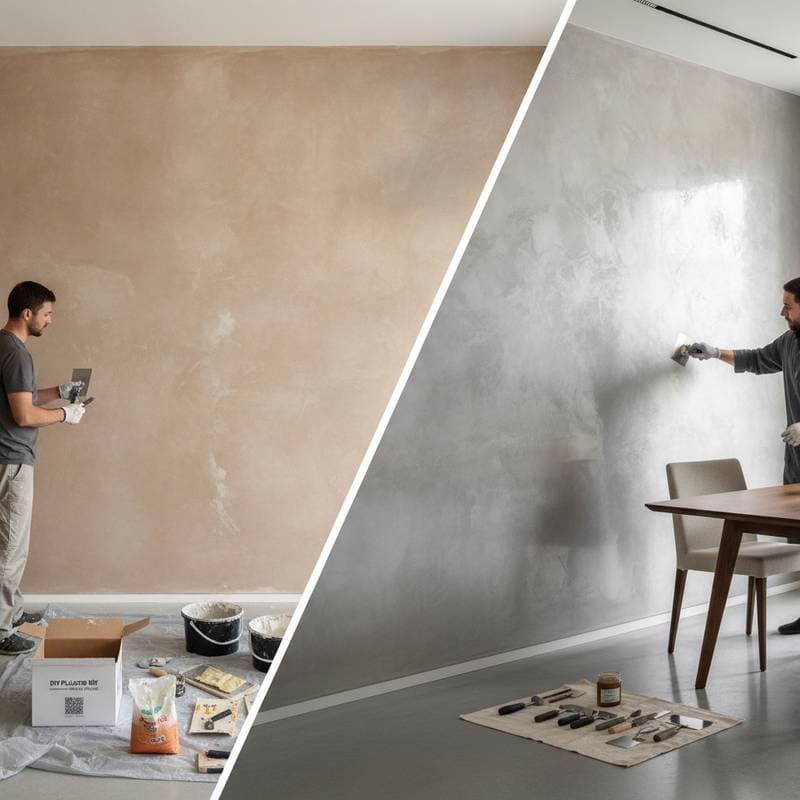
- Compact accent walls or trial panels for testing techniques
- Individuals possessing prior experience with painting or trowel work
- Ornamental endeavors where exactitude plays a lesser role
When to Hire a Professional
- Comprehensive room or multi-room installations
- Polished sheens necessitating advanced burnishing skills
- Restoration or overlay on current walls
- Initiatives requiring seamless color integration and textural uniformity
Artisans account for variables like temperature, humidity, and method to refine the outcome. Professionals guarantee fluid transitions, consistent hues, and robust adhesion. Although DIY reduces labor fees, flawed execution risks irregularities or fissures, potentially incurring greater correction costs down the line.
Choosing the Right Contractor
Identifying a suitable specialist proves essential for superior Venetian plaster results. Prioritize those focused on decorative finishes over routine painting services. Examine portfolios of prior work and inquire about expertise in lime-based substances. Knowledgeable practitioners differentiate synthetic from genuine lime plaster, advising on selections suited to specific residences.
Confirm insurance coverage and secure a detailed written proposal covering materials, labor, and finish specifications. Solicit bids from no fewer than three providers to gauge prevailing rates and quality disparities. Trustworthy experts furnish samples and deliberate on color and sheen preferences prior to commencement.
Preparing for the Project
To streamline the endeavor, homeowners undertake preparatory measures:
- Remove furniture and wall adornments from the area
- Shield adjacent surfaces against dust and overspray
- Coordinate ventilation requirements with the contractor
- Evaluate color samples under diverse lighting scenarios
Ongoing dialogue during execution proves vital. Regular progress reports and drying timelines manage expectations effectively. Post-completion, permit full curing before introducing cleaners or decor. Upkeep entails light dusting and mild damp-cloth wiping, steering clear of abrasives that might diminish sheen.
Value and Longevity
Beyond aesthetics, Venetian plaster excels in resilience. It integrates seamlessly with the wall, eschewing the chipping or peeling common to paint. As years pass, it acquires a gentle patina that augments its allure without evident degradation. For long-term residents, it yields sustained worth and curtails repainting outlays. In resale contexts, its upscale distinction draws purchasers favoring refined enhancements.
Making the Right Choice
Venetian plaster presents a persuasive option for those disillusioned with monotonous painted surfaces. It merges creative execution, robustness, and eco-friendly attributes into a singular coating. Though pricier than drywall, it forges a dynamic facade that interacts with light and form in unparalleled manners. Expert installation renders it an enduring enhancement, amplifying both visual appeal and asset worth.
Frequently Asked Questions
1. What factors influence the cost of Venetian plaster?
Costs hinge on wall dimensions, finish preferences, and preparatory demands. Elaborate textures, lofty ceilings, or superior materials inflate totals. Basic setups approximate $7 per square foot, whereas luxurious variants surpass $25 per square foot.
2. How long does a Venetian plaster project take from start to finish?
Modest rooms finish in three to five days; broader or multi-room efforts extend to a week or beyond. Inter-coat drying ensures thorough curing and optimal quality.
3. Should homeowners attempt Venetian plaster as a DIY project?
Small accent walls suit DIY trials, but room-scale work benefits from professional proficiency. Layering and burnishing techniques call for seasoned handling. Subpar efforts yield inconsistent tones or structural weaknesses.
4. What should I look for when hiring a Venetian plaster contractor?
Seek credentials in specialized training, licensing, and insurance. Inspect completed works, obtain samples, and verify that proposals detail materials, labor, and sealing. Competent contractors elucidate finish varieties and establish feasible schedules.
5. What is the typical maintenance for Venetian plaster walls?
Routine care remains straightforward. Dust periodically and employ a damp cloth for gentle cleaning. Refrain from harsh agents that erode luster. In busy zones, supplemental wax or sealant prolongs vitality.
6. Are there alternatives if Venetian plaster is beyond my budget?
Affordable mimics include synthetic plasters or textured paints, albeit without authentic depth or innate properties. Consult a decorative specialist to align choices with financial and stylistic aims.