Venetian Plaster's Rise in 2026: Decoding the $8,000 Installation Cost
Venetian plaster stands out as a premier luxury wall finish in high-end interior design. Its smooth texture, visual depth, and resemblance to natural stone elevate standard walls to focal points. With projections indicating increased popularity in premium renovations, property owners seek clarity on the $8,000 average installation expense and effective planning approaches.
This comprehensive guide examines elements such as material selections, labor demands, potential additional fees, and overall benefits. Readers gain a clear picture of the financial aspects involved in Venetian plaster projects and learn to make informed choices for space enhancements.
Overview of Venetian Plaster Expenses
Venetian plaster expenses generally fall between $12 and $25 per square foot. A typical full-room project, encompassing surface preparation and final touches, totals around $8,000 for most property owners. These figures vary based on material standards, existing wall states, and the skill of the applicator.
Expenses by Room Dimensions
- Small room (150 square feet): $1,800 to $3,000
- Medium room (300 square feet): $4,000 to $7,500
- Large room (500 square feet): $8,000 to $12,000
Per-Square-Foot Expense Components
The average rate of $12 to $25 per square foot covers:
- Materials: $4 to $8 per square foot
- Labor: $6 to $15 per square foot
- Preparation and repairs: $1 to $3 per square foot
- Protective finish or sealant: $1 to $2 per square foot
Key Influences on Venetian Plaster Expenses
Multiple elements determine the final investment in a Venetian plaster application. Awareness of these allows for avoidance of unforeseen charges and more precise financial planning.
1. Material Formulation
Genuine lime-based plaster commands higher prices than synthetic alternatives, yet it delivers enhanced breathability and authentic appearance. Acrylic-based imitations prove less expensive but lack comparable richness and longevity. Opting for natural lime-based variants may elevate overall expenses by 20 to 40 percent.
2. Surface Preparation Requirements
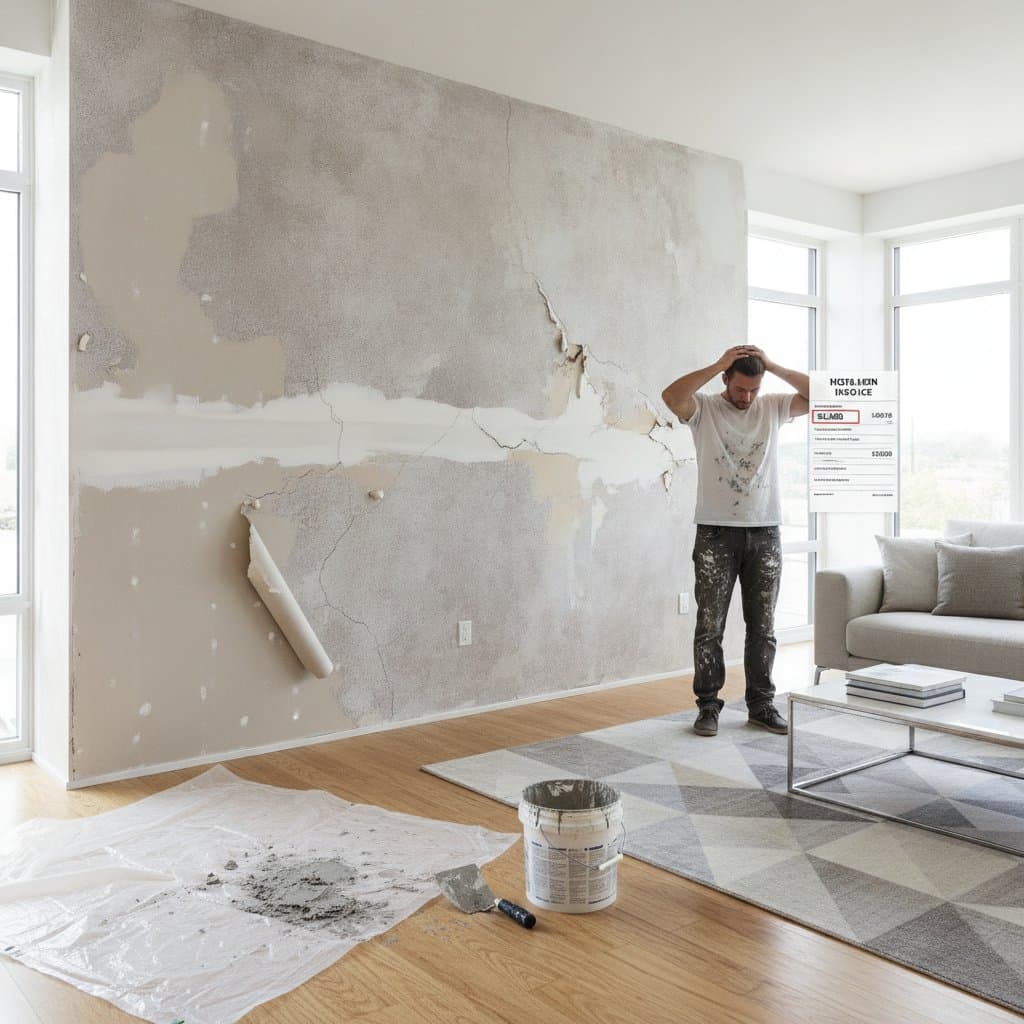
Irregular or compromised walls demand thorough sanding, filling, and priming prior to plaster application. Such preparatory tasks can contribute $200 to $800, contingent on the wall's initial condition.
3. Application Methods
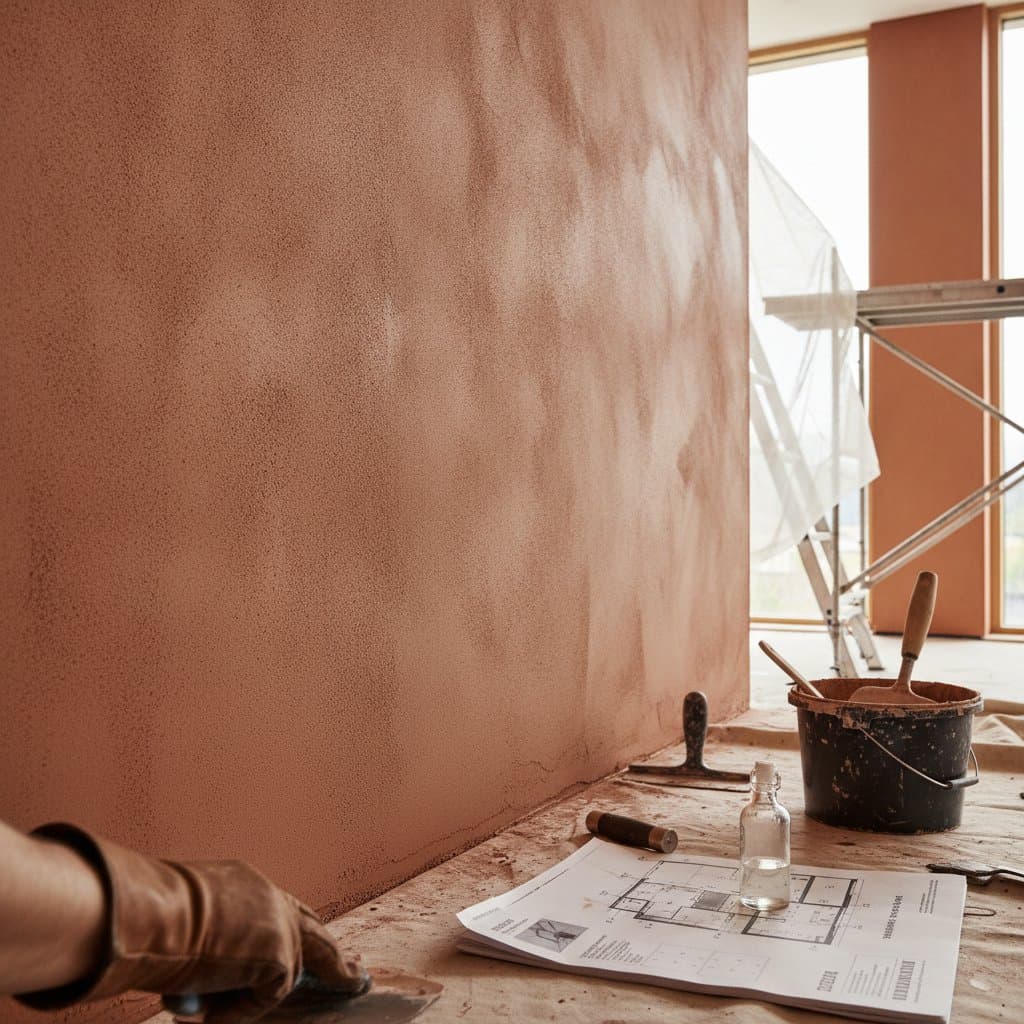
This finish involves layering several thin coats, each manually polished for its distinctive luster. The coat quantity and polishing effort influence labor duration and total cost. Glossy results might necessitate five coats, boosting expenses by 25 percent or greater.
4. Customized Colors and Effects
Bespoke pigments or unique effects, such as marble patterns, metallic infusions, or matte-sheens, raise both material and labor demands. Anticipate an extra $2 to $5 per square foot for these specialized elements.
5. Local Labor Variations
Workforce rates differ according to regional economics. Metropolitan zones with strong artisan demand typically impose higher fees. In less competitive areas, identical projects may incur 10 to 15 percent lower costs.
Expense Analysis by Finish Category
| Finish Type | Basic Range | Standard Range | Premium Range | Key Differences |
|---|---|---|---|---|
| Marmorino | $10 - $15 | $15 - $22 | $22 - $28 | Traditional lime blend with gentle texture |
| Grassello | $12 - $18 | $18 - $24 | $24 - $30 | Intensely polished for a glossy, stone appearance |
| Metallic Venetian | $14 - $20 | $20 - $26 | $26 - $32 | Incorporates metallic elements for added radiance and dimension |
| Tadelakt | $16 - $22 | $22 - $28 | $28 - $35 | Moisture-resistant Moroccan variant, suited for bathroom settings |
Assessing Value and Return on Investment
Venetian plaster extends beyond visual appeal to provide lasting advantages in resilience, upkeep, and style. It withstands peeling, cracking, and discoloration better than conventional paint. When sealed appropriately, the surface endures for decades without renewal needs. Property owners frequently realize 70 to 90 percent return on investment, particularly in prominent areas like living rooms or primary bedrooms.
Additionally, the material enhances interior air quality, as lime-based compositions absorb carbon dioxide during curing. This sustainable attribute attracts purchasers prioritizing environmentally conscious choices.
Strategies to Reduce Expenses
Thoughtful approaches enable cost management while preserving excellence. Explore these methods:
- Targeted applications: Limit Venetian plaster to feature walls rather than complete rooms.
- Simpler profiles: Avoid intricate patterns or intensive polishing to shorten labor periods.
- Self-managed preparation: Perform basic cleaning, small repairs, or priming ahead of professional work.
- Timing selections: Schedule during quieter seasons when contractors provide discounted rates.
- Resource procurement: Inquire about volume pricing or regional material suppliers through your applicator.
Building a Solid Financial Plan
Effective budgeting minimizes strain in luxury updates. Start by measuring the wall area targeted for treatment. Multiply this by the anticipated per-square-foot range to establish a baseline projection. Include a 10 to 15 percent buffer for unforeseen fixes or modifications.
Solicit detailed estimates that delineate labor, materials, and prep costs. Such breakdowns facilitate contractor comparisons and identification of excessive charges.
For those considering professional versus self-application options, experts recommend hiring skilled artisans. Venetian plaster demands precision in layering and burnishing; amateur efforts often yield uneven results and may increase long-term repair needs. Professional installation ensures optimal durability and aesthetic outcomes, justifying the investment for superior finishes.
Frequently Asked Questions
1. What is the average cost for Venetian plaster installation?
Most property owners allocate $12 to $25 per square foot, resulting in project totals of $4,000 to $12,000 depending on dimensions and specifications. Elaborate patterns or high-end materials can elevate figures further.
2. What factors have the biggest impact on Venetian plaster costs?
Surface readiness, coat numbers, material selections, and applicator proficiency exert the strongest influence. Bespoke colors or ornamental additions also increment expenses through extended labor.
3. How can I save money on Venetian plaster without losing quality?
Focus on accent walls to cover less area, select straightforward finishes to cut labor, and handle initial prep tasks independently. Schedule off-peak and seek material deals to maintain standards while trimming totals.
4. Should I hire professionals or attempt this as a DIY project?
Professionals are advisable due to the technique's complexity. DIY attempts risk subpar adhesion and appearance, potentially leading to costly corrections. Skilled applicators deliver consistent, professional-grade results.
5. How do I budget for unexpected costs in a Venetian plaster project?
Calculate base estimates and add a 10 to 15 percent reserve for surprises like extra repairs. Request itemized quotes to anticipate variables and track spending throughout the process.
6. When is the best time to start Venetian plaster installation for lower costs?
Initiate during off-peak periods, such as winter or early spring, when contractor availability peaks and rates dip. Advance planning secures these savings without delaying your timeline.
Achieving Timeless Wall Enhancements
Integrating Venetian plaster elevates interiors with sophistication and practicality. By grasping cost dynamics and applying strategic planning, property owners secure enduring upgrades that boost both enjoyment and resale potential. Consult local experts early to tailor a project that aligns with your vision and budget.