Venetian Plaster Revival: DIY or Hire Professionals?
Venetian plaster emerges as a premier wall finish, celebrated for its refined texture and luminous quality. This technique imparts a sense of depth and sophistication that surpasses standard paint options. Many homeowners appreciate its enduring style and robust performance. The choice between a DIY approach and professional services demands evaluation of skills, time, and budget to secure an outcome that aligns with expectations.
Project Overview
Venetian plaster application consists of layering thin coats of a lime-based mixture, frequently enhanced with natural pigments, to produce a surface evocative of polished marble. Precision guides every step, as each layer requires adequate curing time prior to the subsequent application. Artisans employ trowels to sculpt the final appearance, ranging from subtle matte effects to vibrant gloss. The material promotes breathability, resisting moisture and wear, which positions it ideally for interior walls and ceilings in homes or commercial spaces.
Project Cost Breakdown
Average Cost Ranges
- Basic project: $6 to $10 per square foot, suitable for straightforward applications on prepared surfaces.
- Standard project: $11 to $18 per square foot, incorporating moderate color variations and standard polishing.
- Premium project: $19 to $30 per square foot, featuring intricate designs, metallic accents, or extensive surface preparation.
What's Included
- Thorough surface preparation, including cleaning and priming.
- Application of two to three layers of plaster for uniform coverage.
- Polishing and sealing to enhance sheen and protect the finish.
- Final cleanup and adjustments for seamless integration.
What Costs Extra
- Structural repairs to drywall or underlying plaster.
- Custom textures or pigments, such as gold flecks or iridescent effects.
- Advanced techniques like burnished high-gloss surfaces.
- Work on intricate elements, including arches or ornate moldings.
Factors That Affect Final Cost
| Factor | Cost Impact | Examples |
|---|---|---|
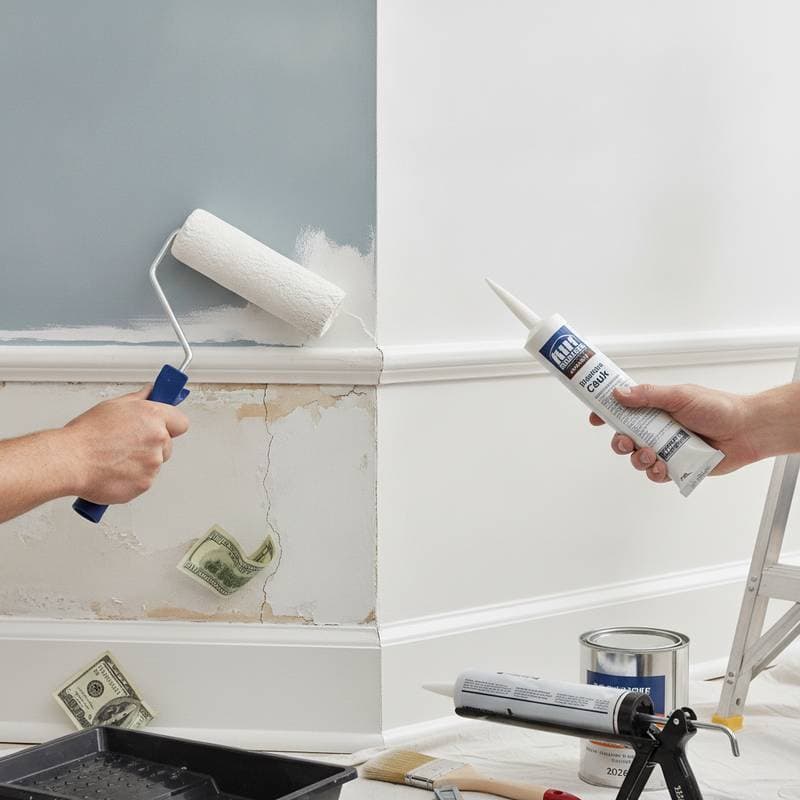
| Wall condition | +10-20% | Cracks, peeling paint, or moisture damage necessitate additional repairs |
| Finish complexity | +15-40% | Multi-tonal effects or metallic infusions demand skilled labor and time |
| Room size | Lower per-foot rate for volumes over 500 sq ft | Bulk projects distribute setup and material overhead |
| Regional labor rates | Variable by location | Metropolitan regions command premiums due to higher wages and demand |
What Drives Costs Up or Down
Selections in materials and expertise levels primarily influence expenses. Traditional lime-based plasters command higher prices than synthetic versions, but they offer superior color vibrancy and resistance to fading over decades. Labor escalates with the intricacy of the design; a uniform finish might conclude in two days, whereas multifaceted patterns could extend to a week. Local market conditions and the contractor's reputation also contribute to variations, so obtaining several estimates reveals the best value.
Timeline Expectations
Projects typically span three to seven days, scaled to the surface area and layer count. Initial preparation ensures walls remain free of debris and imperfections, often taking a full day. Subsequent coats apply in sequence, with drying intervals of 24 hours between each. Final polishing and sealing occur once all layers set, followed by a 48-hour cure to stabilize the surface. Professionals streamline this schedule through efficient workflows, whereas DIY attempts frequently prolong the process due to trial-and-error adjustments.
DIY Versus Professional Application
When DIY Makes Sense
Individuals experienced in painting or basic plastering might succeed on modest areas, such as a single accent wall. Commercial kits provide pre-formulated mixes and instructional guides to ease entry. Essential practice on scrap panels builds confidence in trowel techniques and pressure control. While labor savings appeal, the resulting finish often lacks the nuanced layering that defines professional quality.
When to Hire Professionals
Opt for experts on expansive rooms, statement features, or refined aesthetics where uniformity matters. Seasoned applicators master color integration, humidity management, and consistent luster over broad expanses. They manage preparatory tasks and post-application care with minimal disruption. Investing in their services yields a resilient result that withstands daily use, avoiding the expense of correcting amateur errors like bubbling or inconsistent sheen.
Selecting the Right Contractor
Prioritize contractors holding valid licenses and insurance, with a focus on decorative finishes. Review portfolios showcasing diverse Venetian plaster installations to gauge style compatibility. Contact recent clients for insights on reliability and satisfaction. Solicit detailed bids specifying material types, labor hours, and timelines. Insist on contracts that detail payment milestones, preparation protocols, and guarantees against defects. Steer clear of bids lacking site visits or overly generalized projections.
Preparing for the Process
Homeowners play a vital role by clearing the space of furniture and belongings to facilitate access. Protect adjacent areas with drop cloths to shield floors and fixtures from dust. Select color samples under the room's natural lighting to preview the final effect. Coordinate with the contractor on ventilation needs, as drying stages benefit from controlled airflow without direct drafts. Budget for temporary relocation if the project affects high-traffic zones, ensuring smooth progress.
Weighing Your Options for Success
Evaluate project scope against personal capabilities to decide on DIY or professional routes. Consider long-term value: a subpar application invites costly rework, while expert work enhances property appeal. Factor in time constraints and desired durability when budgeting. Ultimately, align the choice with goals for elegance and functionality, securing a finish that elevates the space for years.
Frequently Asked Questions
1. What factors influence the cost of Venetian plaster?
Costs hinge on surface readiness, design intricacy, and local wage standards. Premium materials like authentic lime plasters and specialty additives elevate expenses, though scale benefits larger undertakings with reduced rates per square foot.
2. How long does a typical Venetian plaster project take?
Standard rooms require three to seven days, encompassing preparation, layering, and curing phases. Elaborate patterns or oversized areas extend durations to account for meticulous detailing.
3. Is Venetian plaster suitable for DIY projects?
Small-scale efforts suit those with construction experience, aided by practice and quality kits. Larger or sophisticated applications favor professionals to guarantee precision and endurance.
4. How should homeowners choose a qualified contractor?
Target licensed specialists in ornamental plasters, examining portfolios and client testimonials. Demand comprehensive quotes post-inspection, and verify contractual clarity on scope and protections.
5. What should homeowners expect during the plastering process?
Anticipate initial cleaning and priming, followed by successive thin coats, burnishing, and sealing. Maintain a dust-free environment during cures, with professionals upholding tidiness throughout.
6. What are common problems and how can they be avoided?
Issues like irregular textures or fissures arise from inadequate prep or haste. Select adept applicators, adhere to drying schedules, and employ superior products to mitigate risks effectively.