Venetian Plaster Revival: $8K Professional Application or DIY Challenges?
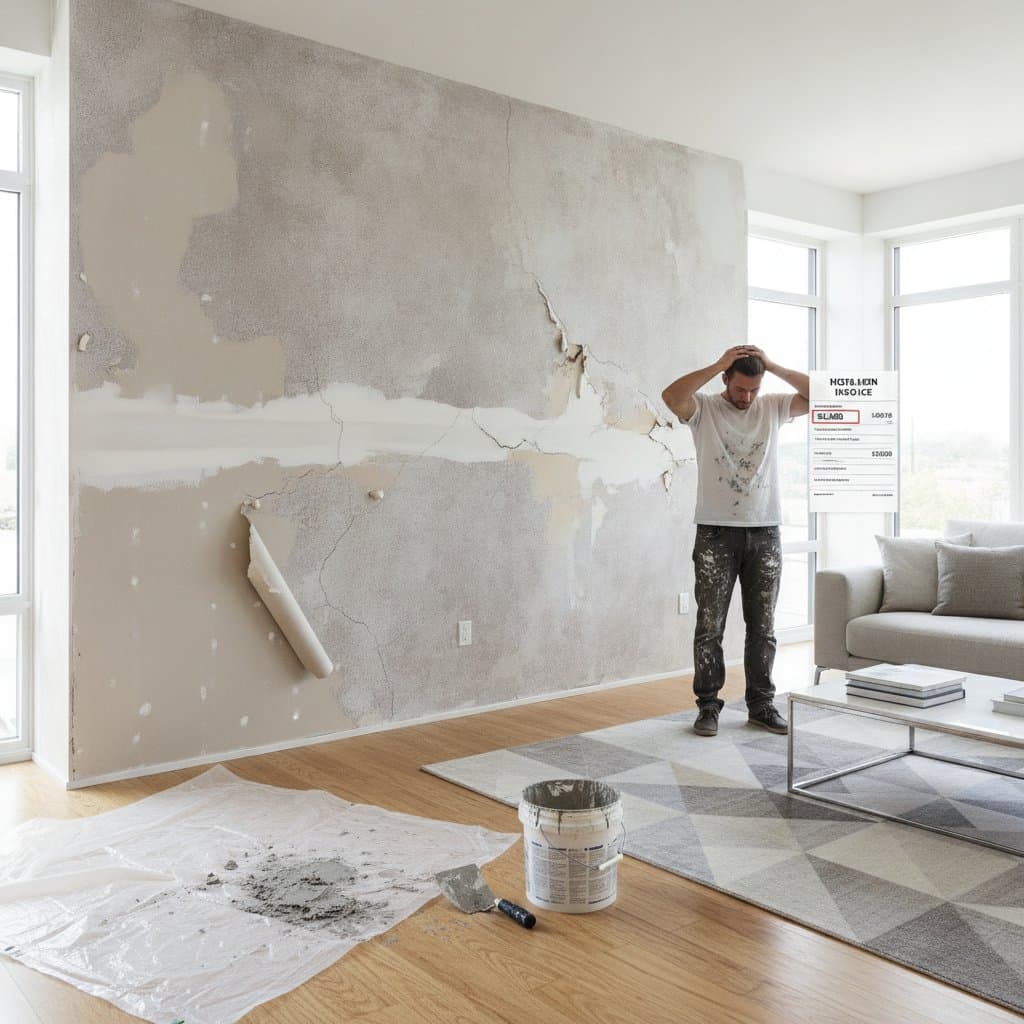
Venetian plaster has reemerged as a favored choice for homeowners seeking to infuse interiors with depth, texture, and sophistication. This ancient wall finish produces a polished stone appearance that bridges classic and contemporary styles. The glassy luster and subtle variations elevate standard walls to focal points. However, attaining a seamless result proves more intricate than initial impressions suggest. Individuals must weigh the merits of a professional installation, which may reach $8,000, against a self-directed effort that risks subpar outcomes.
Understanding Venetian Plaster
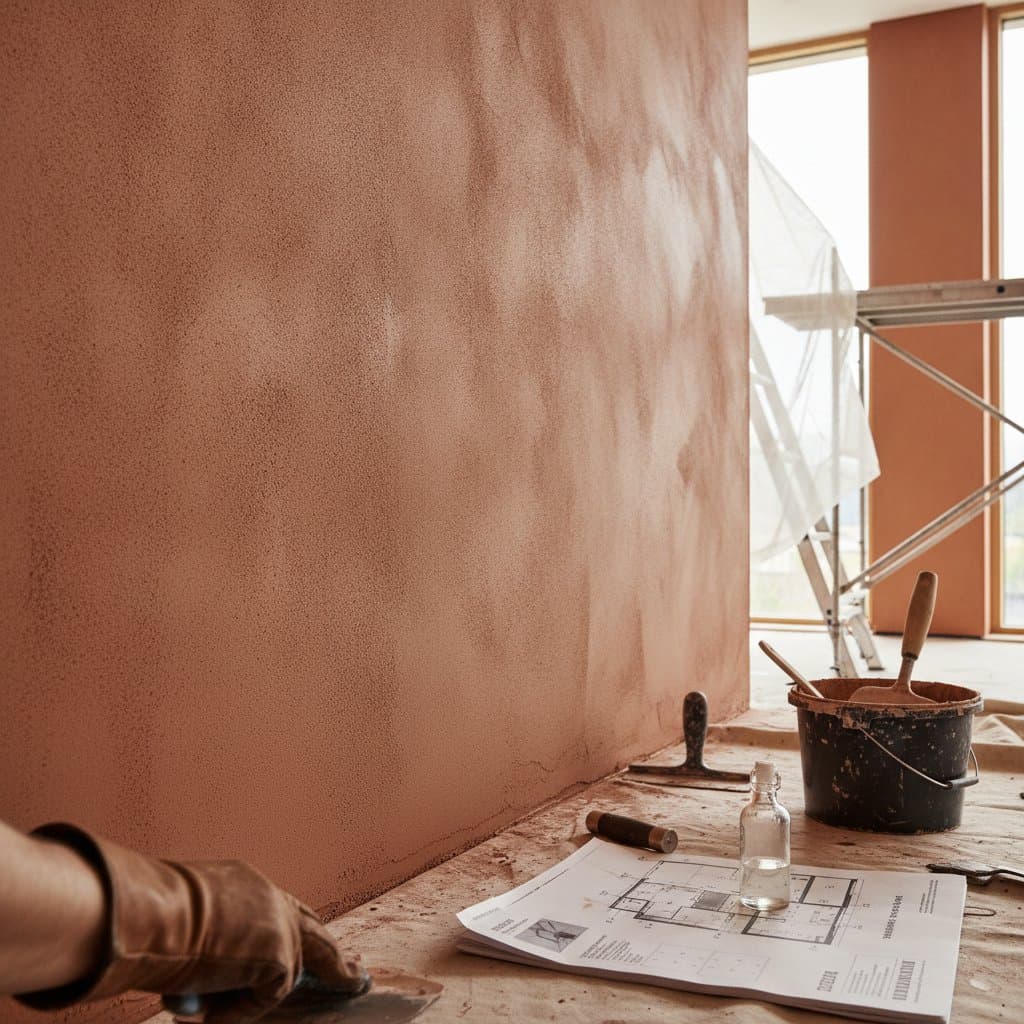
Venetian plaster consists of lime putty combined with marble dust. Proper application yields a sleek, multilayered surface with translucent qualities resembling natural stone. The method entails several thin layers, each spread manually with a trowel, then burnished and sealed to produce the distinctive gloss.
This finish differs markedly from paint or basic textured coatings. Precision governs every application, as each motion shapes the ultimate design. Inter-coat timing influences material curing, blending artistry, stamina, and technical knowledge.
Detailed Project Cost Analysis
Typical Cost Categories
- Basic scope: $4,000 to $6,000
- Standard scope: $6,000 to $8,000
- Premium scope: $8,000 to $12,000
Core Components Covered
- Preparation tasks including patching, sanding, and priming
- Two to three layers of Venetian plaster
- Burnishing and polishing to enhance sheen and dimension
- Application of a protective topcoat for longevity
- Final cleanup and quality check
Additional Expenses
- Custom pigments or metallic additives for visual interest
- Corrections to flawed drywall or irregular bases
- Elaborate patterns or varied textures
- Access to elevated or awkward locations like vaulted ceilings
Influences on Total Expenses
| Factor | Impact Level | Specific Instances |
|---|---|---|
| Surface state | Moderate to significant | Fractured or irregular walls demand extended preparation |
| Material grade | Moderate | High-end lime formulas and sourced pigments raise expenses |
| Worker expertise | Substantial | Seasoned specialists command premiums for uniform results |
| Area dimensions | Substantial | Expanded surfaces consume greater quantities and hours |
| Pattern intricacy | Flexible | Multi-layered or colored effects prolong execution |
Rationale for Elevated Professional Fees
Artisans specializing in Venetian plaster justify premium pricing through required proficiency. Layers demand exact force and motion during spreading. Inter-coat intervals dictate lime hardening and light interaction on the surface. Irregular trowel traces or faulty merging compromise the effect, often necessitating complete removal and reapplication.
Experts employ dedicated implements such as stainless trowels, honing stones, and organic waxes for accuracy. They account for environmental variables like moisture levels, ambient warmth, and substrate qualities that alter curing rates. Such considerations distinguish a radiant, stone-emulating facade from a lackluster, marred one.
Allure and Pitfalls of DIY Approaches
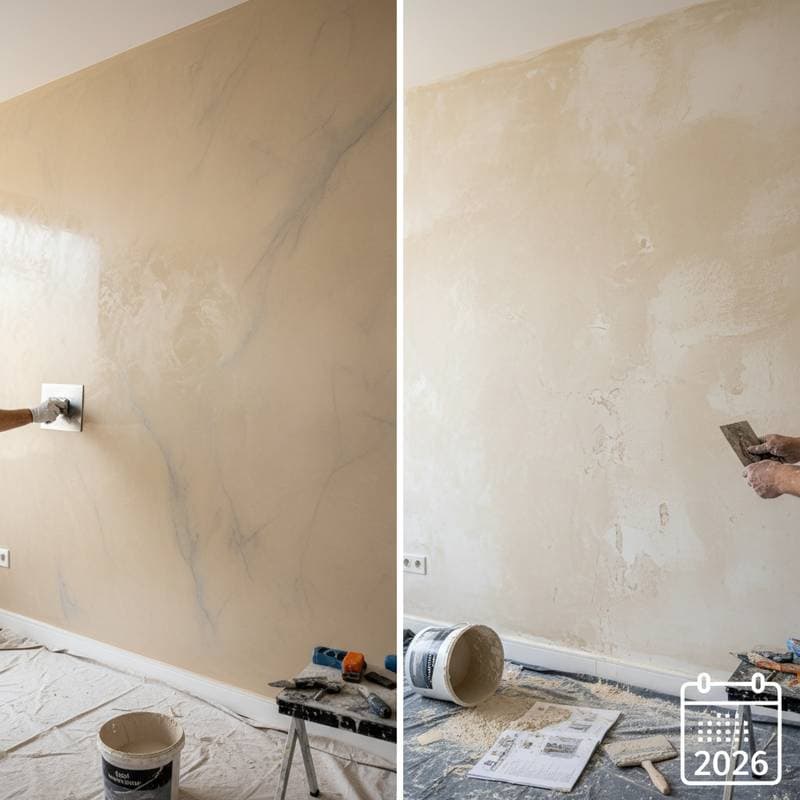
Retail outlets offer Venetian plaster kits that tout effortless elegance. Promotions appear persuasive, yet outcomes frequently fall short. Many consumer products rely on acrylic formulas that simulate form without the genuineness of authentic lime compositions. Rapid drying limits error rectification, resulting in patchy or inconsistent appearances.
Self-guided projects also incur overlooked outlays for tools, protective equipment, and trial supplies. Mastery requires substantial practice, and setting material resists amendments. For those prioritizing flawlessness and endurance, professional involvement averts expensive revisions.
Anticipated Project Duration
A comprehensive professional endeavor spans multiple days. Initial setup may occupy an entire day, particularly with drywall mending or leveling. Successive plaster layers await full drying. Subsequent burnishing and sealing extend the timeline, while humidity can further delay progress.
Consider this sample itinerary for clarity:
- Day 1: Assess walls, repair flaws, apply primer
- Day 2: Spread initial plaster layer
- Day 3: Add secondary layer, make adjustments
- Day 4: Perform burnishing, polish, seal
- Day 5: Conduct cleanup, conduct inspection
Intricate motifs or color integrations may prolong the schedule.
Guidance on Professional Versus Self-Directed Options
Scenarios Favoring Contractor Engagement
- Expansive or prominent zones like foyers, lounges, or meal spaces
- Installations needing resilient, cleanable exteriors
- Preservation efforts or alignment with prior treatments
- Budgets accommodating superior execution
Situations Suited to DIY Efforts
- Modest feature walls or seldom-used chambers
- Trial runs prior to broader implementation
- Employment of basic acrylic variants for familiarity
Those pursuing self-application benefit from modest scales and tolerance for variances. For impeccable, enduring aesthetics, expert services provide superior assurance.
Strategies for Selecting and Engaging Contractors
Assessing Bids Effectively
- Scope alignment: Verify inclusion of equivalent layers and sealing protocols across proposals.
- Material inquiry: Authentic lime variants exceed synthetics in expense yet endure better.
- Reference verification: Consult previous customers on resilience and upkeep.
- Credential confirmation: Ensure valid permits and liability protection safeguard against mishaps or harm.
Sustaining Project Dialogue
Remain involved from start to finish. Request sample sections prior to comprehensive coverage. Validate curing durations and review advancements per layer. Transparent exchanges mitigate confusions and foster contentment with completion.
Steps to Launch Your Venetian Plaster Initiative
Begin by evaluating room suitability and budget limits. Measure wall areas to estimate material needs accurately. Research local specialists through portfolios and endorsements. Schedule consultations to discuss visions and obtain detailed estimates. Prepare the space by clearing furnishings and protecting floors. Post-installation, integrate gentle maintenance routines to preserve the finish's allure over time.
This approach ensures a transformative upgrade that enhances home value and ambiance without unforeseen hurdles.
Common Queries Addressed
Why does Venetian plaster exceed paint in expense?
The process incorporates numerous layers, unique components, and manual expertise. Paint application concludes in hours, whereas plaster demands days of meticulous labor. Base materials alone elevate costs, compounded by artisanal input.
What duration typifies a Venetian plaster undertaking?
Standard efforts span four to five days from outset to refinement. Elaborate schemes or vast expanses may extend timelines. Curing and polishing phases resist acceleration without quality compromise.
Is DIY Venetian plaster feasible for homeowners?
Affirmative, though outcomes differ. Acrylic kits simplify handling but forfeit lime's profundity. Novices face challenges in achieving evenness and synchronization. Experts yield polished, durable results resistant to fissures.
Key traits in a plaster specialist?
Seek proven handling of lime substances, visual examples, and client testimonials. Validate credentials, coverage, and guarantees. Reliable providers detail procedures, furnish precise bids, and uphold ongoing dialogue.
Maintenance protocols for Venetian plaster surfaces?
Employ soft fabrics for dust removal and eschew abrasive agents. Sealed variants tolerate mild moisture for spot cleaning. Repairs to affected zones require skilled reworking or touch-ups.
Typical application issues to monitor?
Irregular patterns, weak bonding, and evident tool marks signal hasty execution. Diminishing luster or peeling suggests sealing deficiencies. Prompt intervention averts comprehensive redo.