Key Components of UV-Resistant Paint
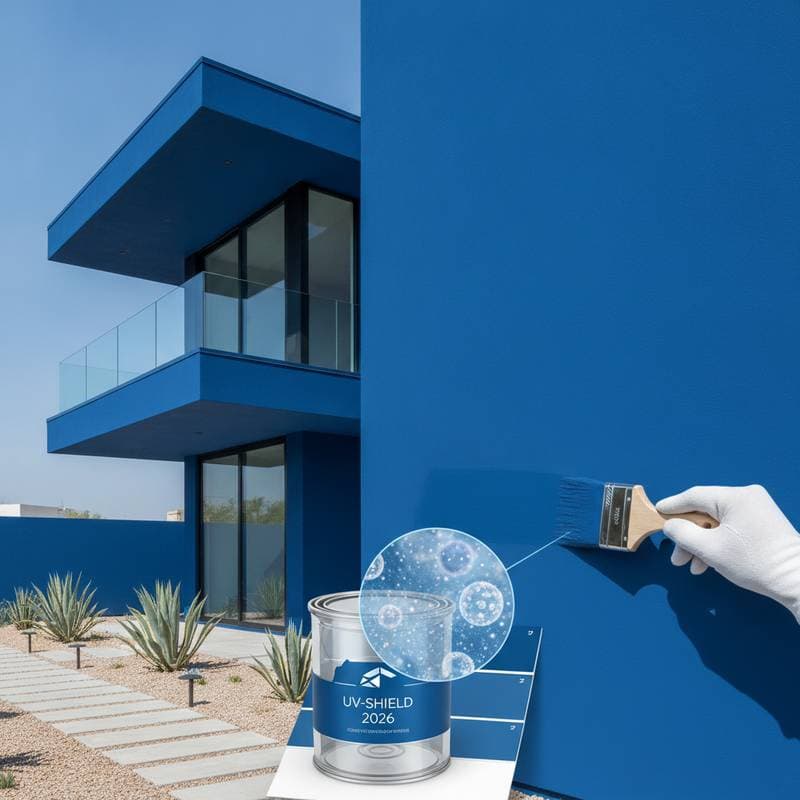
UV-resistant exterior paints rely on three primary elements that work together to maintain color and surface integrity. Inorganic pigments deliver stable color and opacity without breaking down under sunlight. High-quality acrylic or hybrid binders prevent chalking and cracking over extended periods. Additives such as UV absorbers and hindered amine light stabilizers block degradation at the chemical level.
When these components combine effectively, exterior surfaces retain a fresh appearance well beyond the lifespan of conventional coatings.
Insights from Professional Exterior Projects
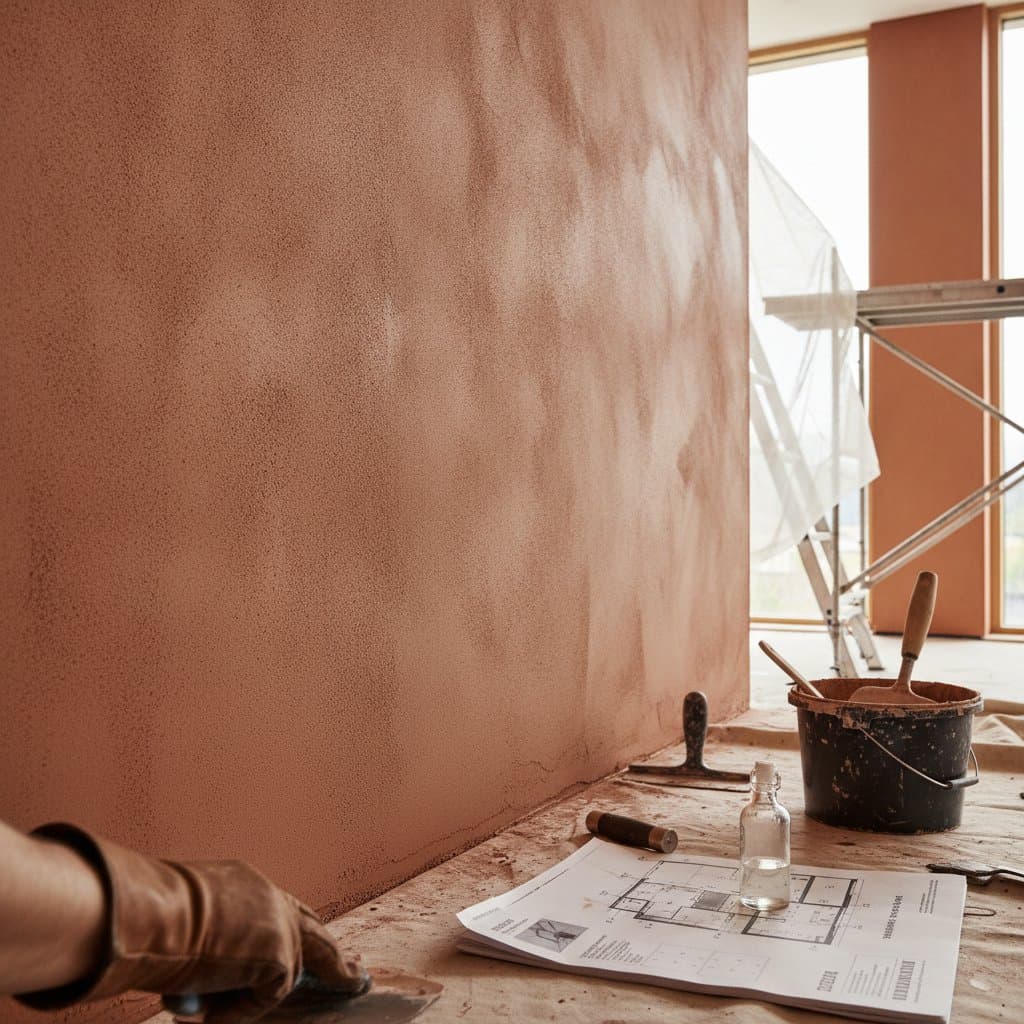
Production environments with intense lighting reveal how quickly standard paints lose vibrancy. UV-resistant formulations maintain consistent appearance under prolonged exposure that simulates direct sunlight. These coatings also provide smooth, low-glare finishes that conceal minor surface variations on actual homes.
The same properties that support visual quality in controlled settings translate directly to residential durability.
Budget-Conscious Selection Options
Homeowners can access UV protection at multiple price points. Budget selections include exterior acrylic latex products labeled as UV-resistant paired with a clear UV-blocking topcoat. Mid-range choices feature premium formulations that add mildew resistance and flexible binders suited to high-sun regions.
Higher investments cover professional-grade elastomeric or ceramic systems that incorporate advanced UV filters for commercial-level performance.
Surface Preparation for Optimal Adhesion
Proper preparation determines how well any UV-resistant coating performs. Clean all surfaces to remove dirt, chalk, and mildew, then allow complete drying. Repair cracks, caulk gaps, and sand uneven areas to create a uniform base.
Apply a compatible primer before the topcoat, and work in consistent sections while maintaining a wet edge. Monitor temperature and humidity to support even curing without direct sun exposure during application.
Color Selection for Extended Vibrancy
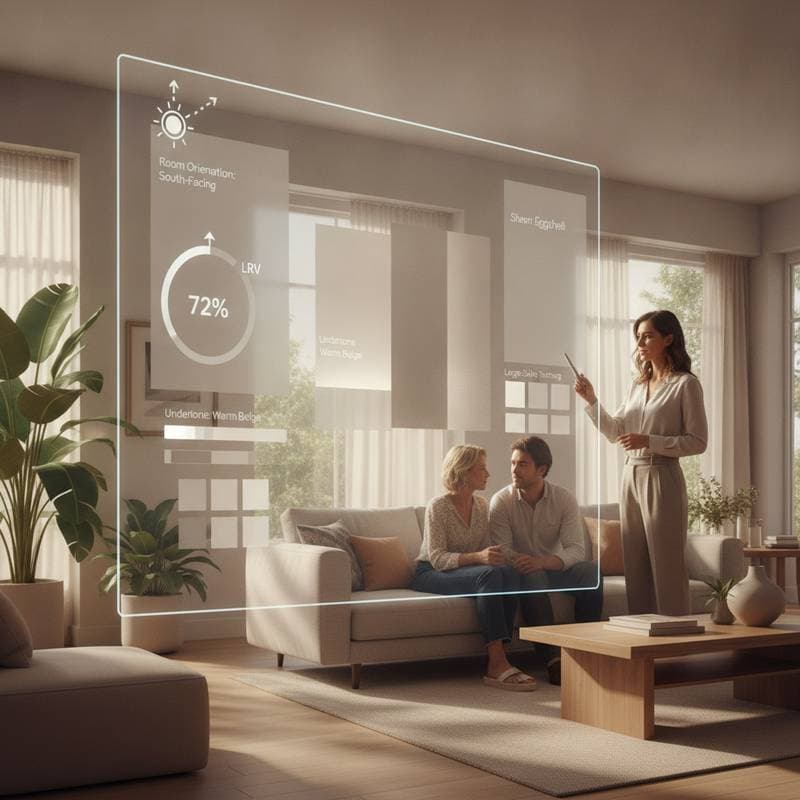
Certain colors resist fading more effectively than others. Whites, off-whites, beiges, grays, and earth tones reflect sunlight and mask minor changes. Greens, blues, and muted reds perform adequately when formulated with UV-stable pigments.
Bright reds, yellows, and deep blacks absorb more heat and ultraviolet energy, requiring specialized formulas. A satin or low-sheen finish reduces glare while preserving color depth across varying light conditions.
Routine Maintenance Practices
Regular care extends the service life of protected surfaces. Rinse siding and trim periodically with a gentle water spray to clear dust and pollen. Inspect south-facing walls and frames for early dullness that may respond to mild detergent cleaning.
Keep nearby vegetation trimmed to promote airflow and prevent moisture buildup against painted areas.
Advantages for Property Owners and Contractors
UV-resistant systems reduce the frequency of repainting and associated costs. Contractors experience fewer callbacks, while homeowners benefit from predictable maintenance schedules. Manufacturers continue to refine polymer chemistry to improve flexibility, coverage, and fade control simultaneously.
Application Choices: DIY or Professional
Water-based UV-resistant paints suit weekend projects when preparation guidelines are followed precisely. Two even coats applied with quality tools produce reliable results on smaller surfaces. Larger or textured exteriors benefit from professional equipment that ensures uniform coverage and proper curing.
Both approaches succeed when each layer from primer through topcoat receives careful attention.
Advances in 2026 Exterior Coating Technology
New formulations incorporate nano-additives and reflective particles that lower surface temperatures and enhance stability. Some products feature self-cleaning capabilities activated by sunlight. Low-VOC options maintain environmental standards without sacrificing protection.
These developments allow consistent color performance across full sun and shaded conditions.
Recommendations for Long-Term Results
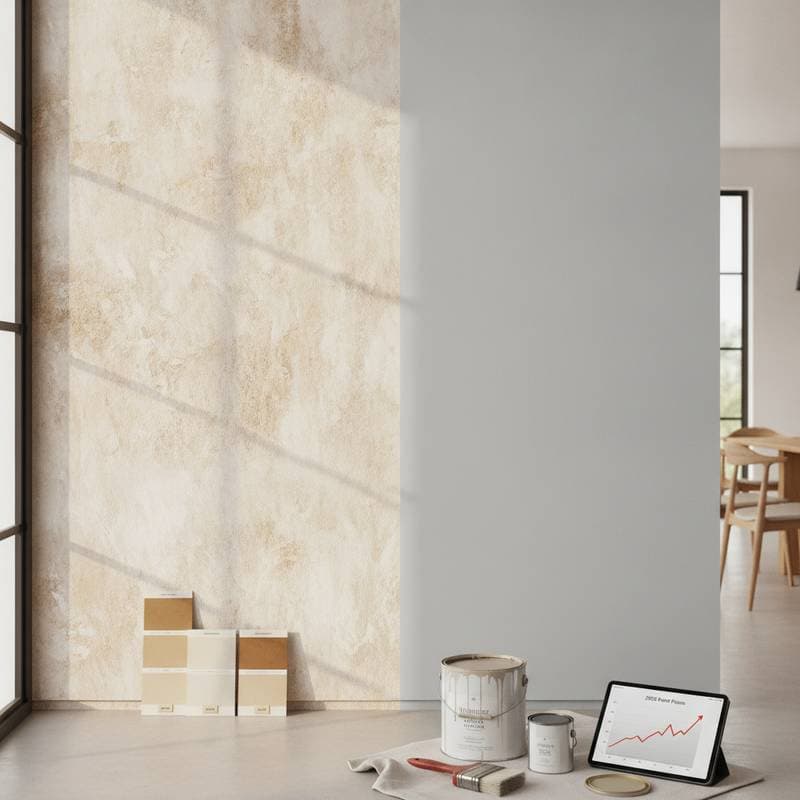
Store leftover paint in sealed containers away from sunlight. Record color codes and product specifications for future touch-ups. Test samples on both sunny and shaded walls to confirm actual behavior before full application. Lighter shades in high-exposure zones reflect heat more efficiently.