Understanding the 2025 TSP Ban and Its Impact on Surface Preparation
The impending 2025 ban on trisodium phosphate (TSP) represents a significant shift in how professionals and homeowners approach surface cleaning before painting, staining, or refinishing. TSP, a powerful phosphate-based cleaner long favored for its ability to remove grease, grime, and contaminants, faces restrictions due to its environmental drawbacks. Phosphates contribute to water pollution by promoting algal blooms in waterways, prompting regulatory action to protect ecosystems.
This change requires adaptation, yet it opens doors to innovative, less hazardous alternatives. These substitutes maintain high performance while reducing risks to health and the planet. For contractors, DIY enthusiasts, and homeowners, the transition ensures continued success in achieving smooth, durable finishes.
Implications for Painting and Refinishing Projects
Projects that once depended on TSP for thorough degreasing now benefit from a range of phosphate-free options. The core goal remains unchanged: create a clean surface that allows paint or stain to adhere properly, preventing issues like peeling or uneven coverage. Regulatory updates at retail levels mean traditional TSP products will phase out, replaced by formulations that align with stricter standards.
Expect the following adjustments in your routine:
- Product availability: Major retailers stock phosphate-free cleaners, often labeled as TSP alternatives, featuring ingredients such as sodium metasilicate, alkaline builders, or plant-based surfactants.
- Application differences: Some substitutes require dilution adjustments or extended dwell times to break down oils effectively, but they rinse cleanly without residue.
- Environmental and health benefits: These options minimize skin irritation, respiratory concerns, and waterway contamination, supporting sustainable practices without sacrificing results.
With these swaps, projects proceed efficiently, yielding professional-grade outcomes that endure.
Step-by-Step Guide to Effective Surface Preparation Without TSP
Achieving a pristine surface demands a systematic process tailored to the new cleaning landscape. This method ensures contaminants lift away, preparing walls, trim, or cabinets for optimal primer and paint application. Follow these steps to replicate TSP's effectiveness using safer tools.
Step 1: Initial Dry Cleaning
Remove loose debris such as dust, cobwebs, or flaking material before introducing any liquid cleaner. Use a soft-bristle brush, microfiber cloth, or vacuum with a brush attachment to capture particles. This preliminary pass prevents redepositing dirt during wet cleaning and lightens the load on subsequent steps.
Step 2: Selecting and Applying a Cleaner
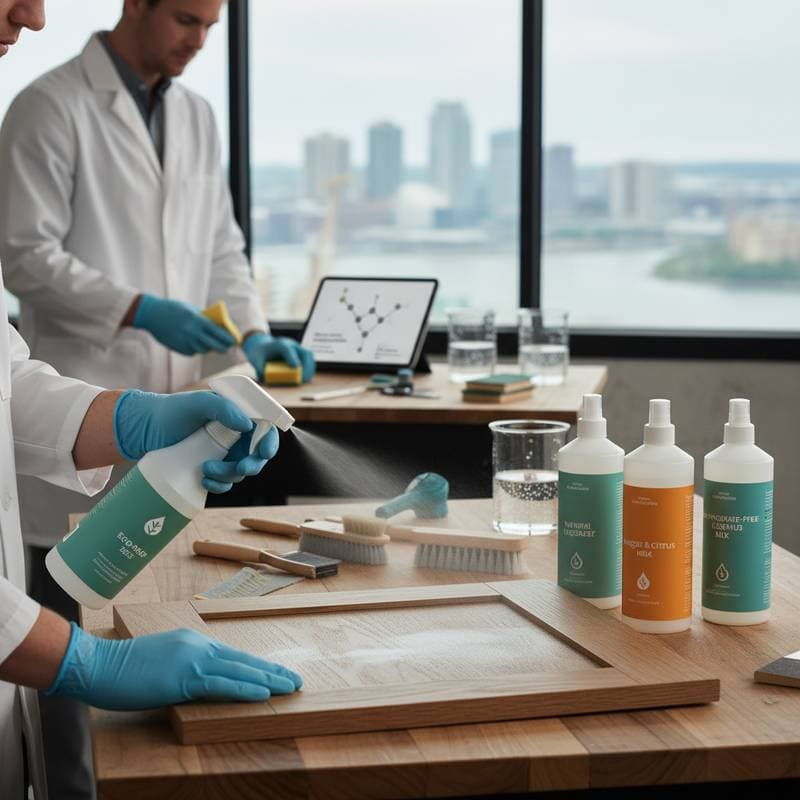
Choose an appropriate substitute based on the surface and soil level. For light grease on walls, a solution of white vinegar and water (1:1 ratio) works well; for heavy buildup on cabinets, opt for a commercial degreaser with biodegradable surfactants. Apply via spray bottle or sponge, working in sections from bottom to top on vertical surfaces to avoid drips and streaks. Allow the cleaner to sit for 5 to 10 minutes to penetrate oils.
Step 3: Thorough Rinsing
Rinse the surface with clean water using a damp sponge or cloth to eliminate cleaner residues. Even no-rinse formulas benefit from this step, as it neutralizes any remaining alkalinity that could affect paint bonding. For larger areas, use a bucket of fresh water, changing it frequently to maintain clarity.
Step 4: Drying and Inspection
Air-dry the surface completely, which may take 1 to 2 hours depending on humidity, or accelerate with fans. Inspect for missed spots by running a clean finger across the area; it should feel smooth and residue-free. This dry, neutral base sets the stage for sanding if needed and ensures strong adhesion.
Insights from Professional On-Site Applications
In high-pressure environments like television production sets, where timelines are tight and ventilation limited, the shift from TSP proves advantageous. Crews report faster drying times with phosphate-free cleaners, eliminating the powdery residue that once delayed priming. This efficiency translates to smoother workflows, with primers applying evenly and paints curing without defects.
Safety enhancements stand out as well. Traditional TSP's caustic nature posed risks of irritation during mixing and use, particularly in enclosed spaces. Newer alternatives, formulated with milder pH levels, allow teams to work comfortably for longer periods. These improvements align productivity with well-being, fostering reliable results under demanding conditions.
To illustrate, consider a recent set makeover involving kitchen cabinets coated in years of cooking grease. A citrus-based degreaser substituted for TSP, requiring only one application and rinse. The result: flawless primer adhesion and a vibrant finish that held up to close-up scrutiny.
Validating Your Preparation Method
Transitioning to new cleaners warrants verification to confirm compatibility with your materials. Select an inconspicuous test area, such as the interior of a cabinet door or a hidden wall section. Apply the cleaner, rinse, dry, then prime and paint a small patch using your standard products.
After 48 hours, evaluate the following:
- Adhesion quality: Attempt to scratch or peel the finish with a fingernail; it should resist without lifting.
- Surface uniformity: Examine under light for gloss variations or hazy spots indicating incomplete cleaning.
- Long-term integrity: Simulate wear by wiping with a damp cloth; the coating remains intact if preparation succeeds.
This testing process identifies any adjustments, such as stronger cleaners for oily surfaces, building assurance for full-scale application.
Ensuring Longevity in Your Finished Surfaces
Post-preparation, the focus shifts to preservation that extends the life of your paint or finish. Regular cleaning with pH-neutral, non-abrasive solutions prevents buildup without compromising the protective layer. Dust weekly with a soft cloth and address spots promptly using diluted dish soap.
Avoid harsh chemicals or scrubbers that erode the surface over time. In high-traffic areas, apply a clear topcoat for added durability. These habits sustain the aesthetic and functional benefits, making the investment in quality preparation worthwhile.
The 2025 TSP ban catalyzes progress toward responsible practices that enhance project outcomes. By embracing these alternatives, individuals contribute to healthier environments while securing finishes that withstand daily use. Prepare confidently, knowing that innovation elevates both safety and satisfaction.