Prepare for Change: The 2025 TSP Ban and Surface Preparation
Surface preparation forms the cornerstone of durable painting results. Trisodium phosphate, or TSP, served as a reliable agent for removing grease, grime, and contaminants to promote strong paint adhesion. Regulatory measures now restrict or prohibit TSP due to its phosphate content, prompting homeowners, painters, and contractors to revise their approaches. Grasping the rationale for these regulations, evaluating alternative costs, and implementing compliant techniques will prevent project setbacks and uphold finish quality.
Reasons for Phasing Out TSP
TSP excelled at dissolving heavy grease, soot, and mildew from walls, siding, and trim, establishing it as a staple in preparation routines. Environmental agencies target phosphates because they fuel algal blooms and disrupt aquatic life through wastewater discharge. These controls align with initiatives to favor low-impact substances in residential and commercial settings.
Homeowners and professionals must adjust established workflows accordingly. The prohibition eliminates TSP but preserves cleaning efficacy through adapted products and methods.
Breaking Down Project Costs
Typical Cost Ranges
- Basic surface preparation: $0.50 to $1.50 per square foot
- Standard preparation with chemical cleaning: $1.50 to $3.00 per square foot
- Premium preparation including sanding, patching, and eco-cleaners: $3.00 to $5.00 per square foot
Standard Inclusions
- Labor dedicated to cleaning and degreasing
- Application of TSP alternatives or phosphate-free cleaners
- Light sanding or scuffing to enhance adhesion
- Thorough rinsing, drying, and final inspection prior to painting
Additional Expenses
- Mold or mildew remediation: $0.50 to $1.00 per square foot
- Surface repairs involving patching or filling: $1.00 to $2.00 per square foot
- Lead paint stabilization or removal: $3.00 to $8.00 per square foot
- Exterior cleaning with pressure washing: $0.75 to $2.00 per square foot
Influences on Total Expenses
| Factor | Cost Influence | Specific Examples |
|---|---|---|
| Surface condition | Elevated for deteriorated or soiled areas | Kitchens with oil residue, exteriors by cooking areas, or workshops |
| Material type | Tailored cleaners per substrate | Wood siding, interior drywall, metal railings, or concrete foundations |
| Project scale | Economies for expansive work | Complete house exterior versus one interior room |
| Cleaner choice | Premium for sustainable options | Biodegradable, low-VOC phosphate-free formulas |
| Labor demands | Extended for intricate processes | Thick contaminants or multiple finish layers |
These estimates account for materials and effort levels. Transitioning from TSP incurs minor upticks in spending, offset by regulatory adherence and ecological benefits.
Effective Alternatives to TSP
Phosphate-free options now fill the gap left by TSP, delivering comparable performance across diverse surfaces and soil types. Selection depends on contamination severity and substrate compatibility.
Leading Phosphate-Free Cleaners
- Phosphate-free degreasers: These leverage surfactants and gentle alkalis to tackle grease and dirt, rinsing clean without residue.
- Citrus-based cleaners: Natural solvents suit indoor applications, minimizing fumes and health risks.
- Vinegar or mild acid solutions: Effective against mineral buildup and soap residue, though less suited for oily deposits.
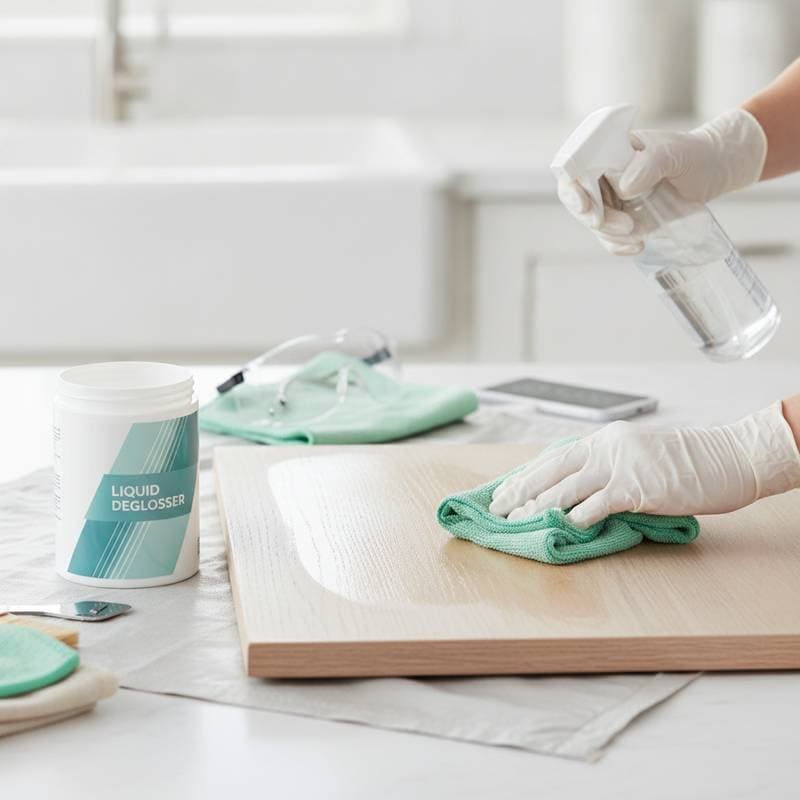
- Specialized paint preparation formulas: These integrate degreasing and deglossing, streamlining workflows for professionals.
Prioritize products marked for paint readiness or surface cleaning. Retailers often stock options certified for phosphate compliance.
Detailed Guide to TSP-Free Surface Preparation
1. Conduct Initial Evaluation
Examine surfaces for accumulations of dirt, oils, mold, or structural flaws. Note sections demanding intensive treatment or fixes before proceeding.
2. Select Appropriate Cleaner
Match the phosphate-free product to the surface material. Verify label details for suitability with prior coatings and substrates.
3. Prepare and Apply Solution
Dilute according to guidelines. Distribute via sponge, rag, or spray tool based on area accessibility. Don protective gear and maintain airflow.
4. Scrub and Rinse Thoroughly
Agitate with a soft nylon brush or non-abrasive pad. Flush with fresh water to eliminate traces, as remnants impair paint grip.
5. Dry and Review
Permit full drying. Scan for persistent marks or sheen that could hinder bonding; address with fine sanding if present.
6. Address Repairs and Priming
Fill voids, smooth imperfections, or level textures. Coat with primer suited to the surface and intended topcoat for even coverage.
These procedures secure optimal adhesion and longevity, replicating TSP outcomes through methodical execution.
DIY Versus Professional Approaches
Basic tasks suit capable homeowners, yet the TSP transition demands familiarity with new formulations. Simple indoor efforts remain accessible, while demanding exteriors or contaminated zones favor expert intervention.
Suitable DIY Scenarios
- Compact interior walls or accents with light soiling
- Well-maintained surfaces requiring minimal intervention
- Employment of user-friendly, pre-mixed phosphate-free agents
Ideal Professional Engagements
- Outdoor elements subject to environmental grime or pollutants
- High-traffic zones like kitchens or storage areas with grease
- Situations involving potential lead or fungal issues
- Elevated or expansive structures needing specialized access
Experts excel in product discernment, efficient application, and adherence to codes, averting errors like inadequate rinsing that compromise finishes.
Selecting and Collaborating with Contractors
Expertise in non-TSP methods elevates contractor value amid these changes.
Contractor Evaluation Steps
- Confirm credentials and coverage: Validate adherence to regional licensing standards.
- Inquire on preparation techniques: Verify use of compliant cleaners and protocols.
- Solicit itemized proposals: Assess bids detailing supplies and workforce allocation.
- Examine client feedback: Discuss execution, reliability, and outcome satisfaction.
- Evaluate assurances: Probe guarantees for preparation efficacy and paint durability.
Transparent dialogue fosters alignment and superior deliverables. Established firms detail regulatory strategies and material selections upfront.
Project Timeline Insights
Preparation duration hinges on soiling extent, scope, and external factors like humidity. Alternatives may extend drying phases compared to TSP.
- Compact indoor spaces: 1 to 2 days encompassing cleaning, drying, and mending
- Outdoor siding or details: 2 to 4 days factoring in washing and ambient conditions
- Comprehensive repaint with prep and base coats: 5 to 7 days typically
Allocating ample intervals between stages curbs defects such as bubbling or delamination. Experts sequence prep early to streamline overall schedules.
Safety and Ecological Priorities
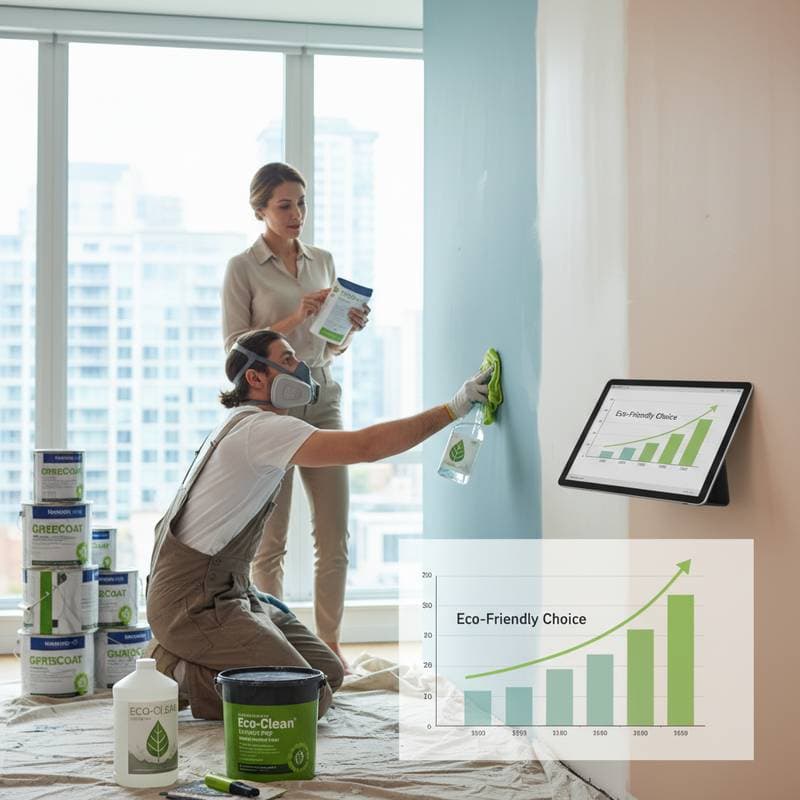
Phosphate-free agents enhance user and planetary safety, yet demand cautious use. Equip with gloves and eyewear; ventilate enclosed spaces. Manage wastewater per municipal protocols, steering clear of direct environmental release.
Adopting these materials bolsters waterway health and furthers green objectives across property types.
Advancing Your Painting Initiative
The TSP ban refines rather than restricts preparation standards, promoting resilient, eco-conscious methods.
Anticipate needs by acquiring vetted cleaners, studying product specifications, and verifying team proficiency in updated practices. This foresight yields seamless execution and enduring results.
Common Questions Addressed
1. In what ways does the TSP ban influence expenses?
Impacts remain contained, with phosphate-free options adding marginally to material outlays and process durations. Anticipate rises of $0.10 to $0.25 per square foot, balanced by gains in safety and adherence.
2. What duration applies to preparation absent TSP?
Alternatives align closely with prior timelines, occasionally extending for evaporation. Indoor efforts span 1 to 2 days for cleansing and drying; exteriors extend with scale and climate.
3. Is use of existing TSP stocks permissible?
Consult regional rules on stockpiles. Certain locales permit personal, non-professional application, but violations risk penalties in contracted work.
4. Which phosphate-free options replace TSP most effectively?
Degreasers without phosphates, citrus extracts, and dedicated prep blends lead recommendations. Seek biodegradable, low-emission variants for broad suitability.
5. Does self-preparation or contractor hiring suit my needs?
Self-efforts manage minor, straightforward tasks. Complex or sizable undertakings benefit from professional precision, safety measures, and documentation.
6. What issues stem from subpar cleaning?
Inadequate removal leads to adhesion failures, manifesting as peeling, bubbling, or early wear. Ensure complete rinsing and drying to avert such complications.
Mastering the TSP ban's implications equips you to execute superior preparations, blending quality with environmental responsibility.