2026 TSP Ban: Adapt Your Painting Prep Now
Trisodium phosphate, known as TSP, has served as a reliable tool for painters in preparing surfaces for fresh coatings. This compound effectively removes grease, eliminates grime, and creates an ideal base for primer or paint application. However, growing environmental concerns and evolving safety regulations will soon restrict traditional TSP cleaners in residential and commercial settings. Homeowners and professional painters must anticipate this transition by exploring safe, effective substitutes and modifying preparation routines ahead of the ban.
Grasping the reasons behind this regulatory shift and implementing adaptations promptly can avert project delays and compliance violations. Beyond that, early preparation ensures the delivery of superior finishes that uphold health and environmental priorities.
Why the TSP Ban Matters
For decades, TSP has remained popular due to its affordability and superior cleaning power. It breaks down stubborn residues that standard soaps fail to address. The core issue stems from its phosphate components, which pollute water sources when washed into drains and rivers. These phosphates fuel excessive algae blooms, damaging aquatic life and impairing overall water purity.
This ban focuses on mitigating those ecological threats rather than diminishing cleaning efficacy. Homeowners will find the classic blue-box product phased out, necessitating updates to familiar preparation habits. Painting contractors must integrate compliance into their operations, similar to established protocols for lead-safe practices.
The Role of Surface Preparation in Painting Costs
Surface preparation influences the durability and expense of every painting project. Inadequate cleaning results in poor paint adhesion, early deterioration, and elevated future repair expenses. TSP previously provided an economical way to secure a pristine foundation. Without it, individuals might assume that alternative products will drive up costs significantly.
Surface preparation typically comprises 10 to 25 percent of overall painting expenses. This category encompasses cleaning, patching, and sanding prior to priming. Substituting TSP with environmentally sound options raises cleaning material prices modestly, yet this increment pales against the benefits of enduring paint performance.
Average Cost Ranges by Project Size
- Small room (100 to 200 square feet): $150 to $300 for preparation and painting
- Medium room (200 to 400 square feet): $350 to $700
- Large room (400 to 600 square feet): $700 to $1,200
These figures cover cleaning, sanding, and priming activities. Cleaning materials generally cost $10 to $40 per room, varying with the selected TSP replacement.
TSP Alternatives and Their Cost Breakdown
Transitioning from TSP does not require accepting inferior outcomes. Phosphate-free cleaners deliver robust performance while adhering to ecological guidelines. Costs per gallon depend on brand, formulation strength, and intended surface.
| Cleaner Type | Cost per Gallon | Coverage | Key Benefits |
|---|---|---|---|
| Citrus-based degreaser | $15 - $25 | 400 sq. ft. | Derived from natural sources, leaves negligible residue |
| Phosphate-free TSP substitute | $10 - $18 | 450 sq. ft. | Mirrors original TSP potency minus phosphates |
| Vinegar and baking soda mix | $5 - $8 | 300 sq. ft. | Economical option, suitable for diverse surfaces |
| Commercial eco-cleaner concentrate | $20 - $35 | 500 sq. ft. | Fully biodegradable, reduced odor, yields professional finishes |
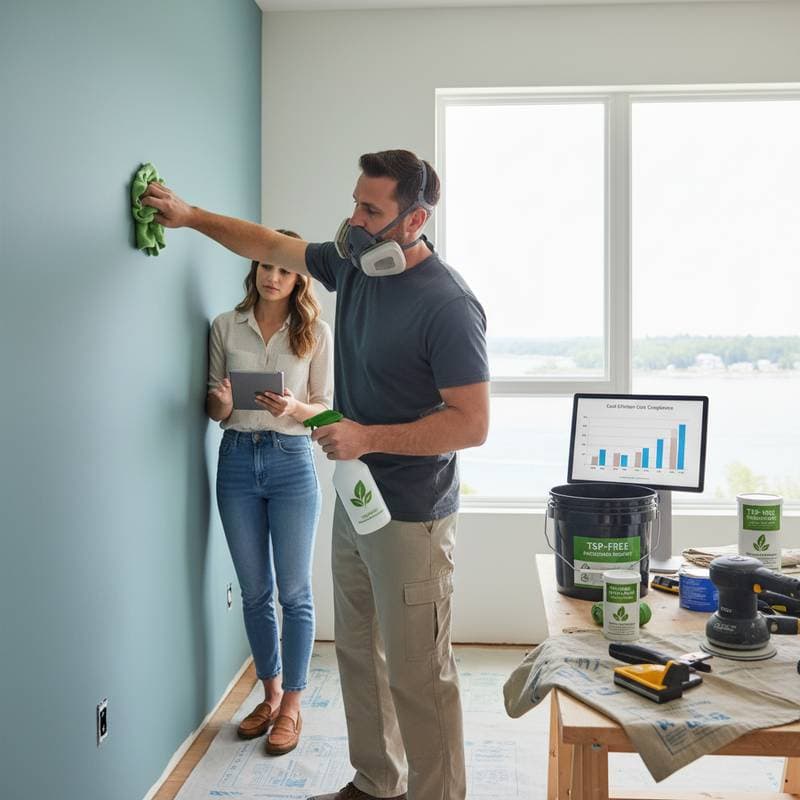
Professionals frequently select phosphate-free substitutes for their close resemblance to TSP in application and results, all while fulfilling regulatory demands. DIY enthusiasts benefit from vinegar solutions, which prove safe and budget-friendly, although they demand extra effort on intensely soiled areas.
Factors Affecting Preparation Costs
Multiple elements determine preparation expenditures following the TSP ban.
1. Surface Condition: Walls with heavy stains or grease necessitate potent cleaners or repeated treatments. Such scenarios add $20 to $60 in supplies and prolong labor.
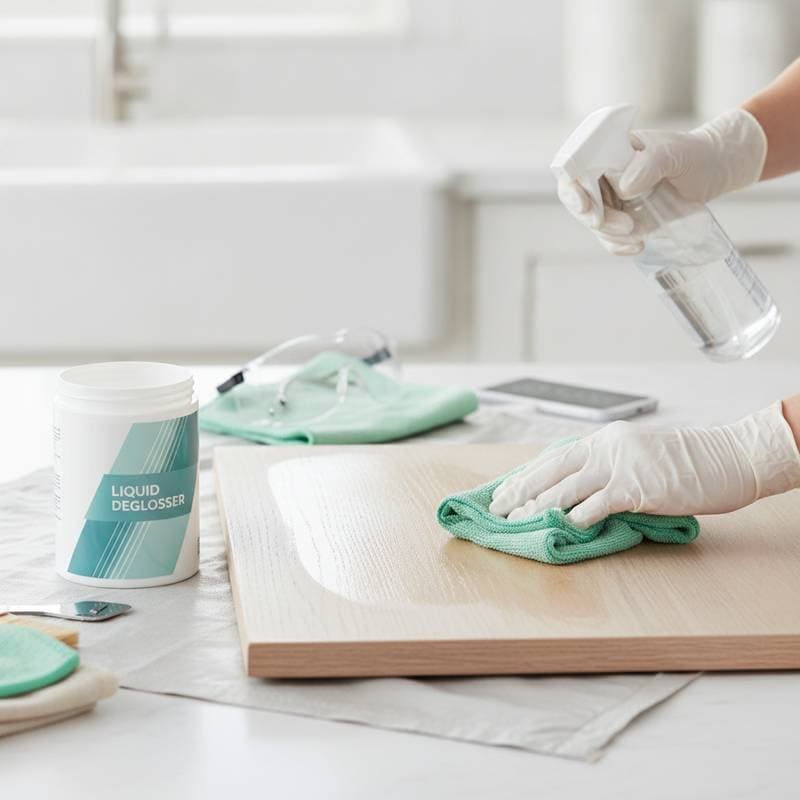
2. Type of Paint Previously Applied: Shiny or oil-based layers call for comprehensive deglossing, extending preparation duration.
3. Labor Rates: Professionals bill $30 to $60 hourly for prep work. Charges vary by location, task intricacy, and site access.
4. Environmental Compliance: Certified green products may carry a slight premium, yet they enhance safety and boost property appeal through sustainability.
5. Equipment Needs: Certain alternatives pair optimally with sprayers or dedicated brushes. Acquiring or renting these items ranges from $15 to $50 based on project scope.
Cost Analysis by Cleaning Category
| Cleaning Method | Basic Range | Standard Range | Premium Range | Key Differences |
|---|---|---|---|---|
| Hand scrubbing with eco-cleaner | $0.15 - $0.30 per sq. ft. | $0.30 - $0.45 per sq. ft. | $0.45 - $0.60 per sq. ft. | Influenced by cleaner potency and surface characteristics |
| Power washing (exterior) | $0.25 - $0.50 per sq. ft. | $0.50 - $0.75 per sq. ft. | $0.75 - $1.00 per sq. ft. | Demands effective wastewater management |
| Deglossing for repainting | $0.10 - $0.25 per sq. ft. | $0.25 - $0.40 per sq. ft. | $0.40 - $0.55 per sq. ft. | Relies on prior paint type and sheen |
Value and ROI Considerations
Adopting phosphate-free methods yields enduring benefits that surpass minor cost hikes. These products lessen ecological damage, elevate indoor air standards, and conform to contemporary building norms. For those preparing to sell properties, showcasing eco-conscious upkeep attracts buyers and potentially increases market value.
Enhanced durability arises from residue-free cleaning, promoting stronger paint bonds and delaying repaints. Across a decade, reduced repainting frequency recoups the modest investment in compliant supplies through sustained savings.
Strategies to Manage Costs During the Transition
Navigating new cleaning protocols need not burden finances. Implement these measures to balance expenses and standards:
- Purchase concentrated formulas and dilute according to instructions to extend usage.
- Address surface cleaning soon after spills or intensive activity to minimize accumulation.
- Blend self-directed cleaning with hired painting services to shorten professional hours.
- Obtain itemized estimates distinguishing supplies from workforce to foster clarity.
- Time projects for slower seasons, when contractors often reduce fees.
Proactive use of TSP alternatives wards off disruptions from impending shortages or inflated prices post-ban.
Planning Your Budget
Allocate funds for upfront modifications and ongoing upkeep shifts. Reserve an extra 5 to 10 percent buffer for unforeseen prep challenges, including concealed mold, nicotine residue, or persistent contaminants. Proactive documentation of these aspects minimizes disruptions during execution.
Optimal Timing for Adopting TSP Alternatives
Start experimenting with and incorporating new cleaners immediately. This approach provides ample opportunity to assess options, sidestep availability issues, and perfect techniques prior to enforcement.