The $800 Sanding Hack Ruining Exterior Paint Jobs
Homeowners often seek ways to reduce costs on exterior painting projects. One popular shortcut, known as the $800 sanding hack, involves minimal sanding and spot treatments instead of comprehensive surface preparation. Although this approach appears economical at first, it frequently results in paint failure, moisture problems, and repairs that exceed the initial savings by a wide margin.
This article details the reasons improper sanding compromises paint adhesion, outlines the true expenses of adequate preparation, and provides strategies for homeowners to achieve lasting results without unnecessary expenditure.
Why the $800 Sanding Hack Fails
The core concept of the $800 hack entails light sanding to eliminate loose paint followed by immediate application of new coats. Paint bonds effectively only to a stable, clean surface. When underlying issues persist, the new layers detach rapidly.
Surface Contamination and Residue
Inexpensive sanding methods typically fail to eliminate all dust, chalky residue, or debris. These contaminants create a barrier that weakens primer adhesion. Consequently, the overlying paint develops into a fragile layer prone to peeling or bubbling shortly after exposure to the elements.
Uneven Surface Texture
Experienced painters employ a progression of sanding grits, from coarse to fine, combined with scraping tools to achieve a smooth, even profile. Budget shortcuts favor rough abrasives or hasty power sanding, which gouges the surface inconsistently. Such flaws manifest as ridges under the paint, uneven gloss, and cracks that appear within the first year.
Ignored Moisture and Rot Issues
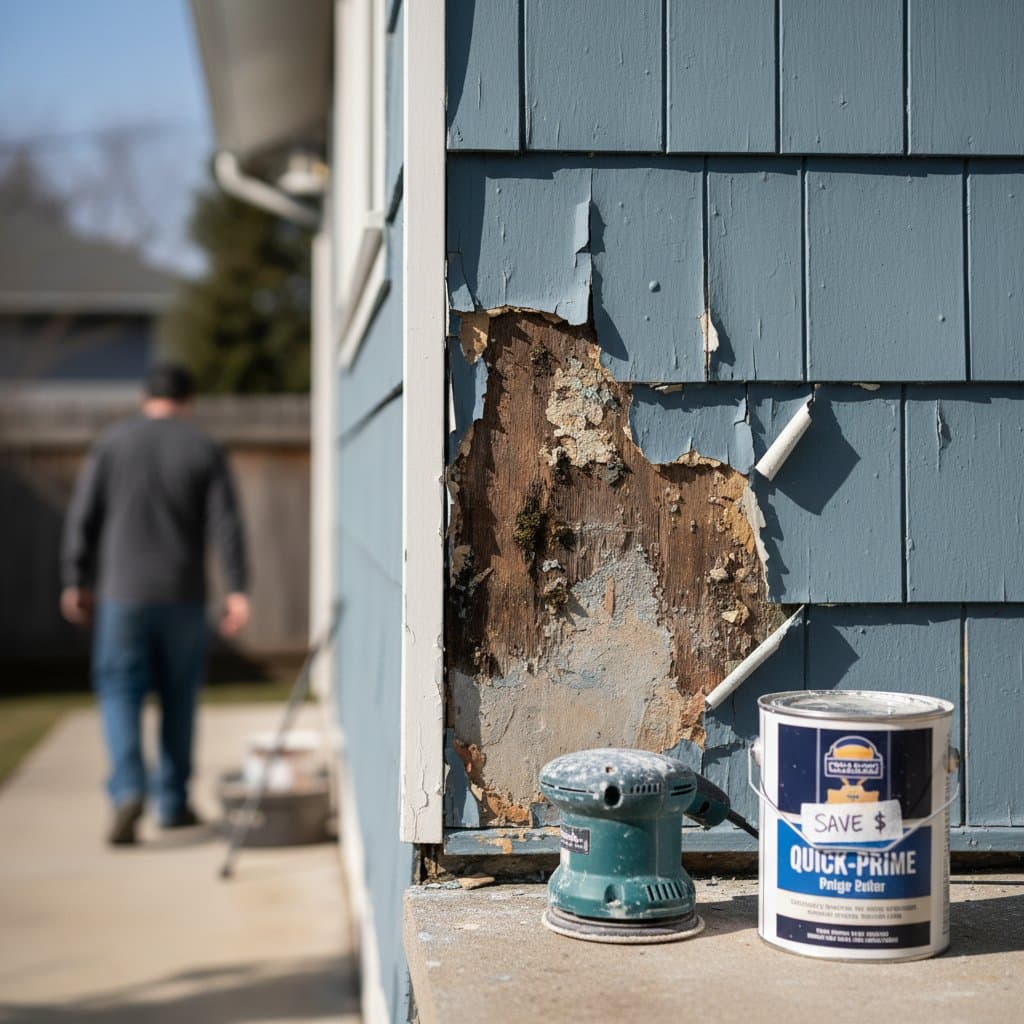
Thorough preparation requires probing for water damage or softened substrates before any sanding occurs. Low-cost services rarely include these inspections. Unaddressed dampness or decay beneath fresh paint generates pressure from expanding moisture, leading to blisters, delamination, and progressive structural harm.
Lack of Priming
To minimize expenses, the $800 method often bypasses primer application entirely. Primer serves to seal porous materials and enhance topcoat grip, particularly on raw wood or weathered siding. Without it, the paint job endures for only a fraction of its potential lifespan, typically failing in two to three years rather than seven to ten.
Factors Affecting Exterior Preparation Costs
Several variables influence the price of surface preparation for exterior painting. Understanding these elements helps homeowners set realistic expectations and identify value in professional services.
1. Surface Condition
Surfaces burdened with numerous old paint layers or extensive flaking demand intensive scraping and sanding. Each layer requires assessment for stability; unstable sections must be fully removed. In cases of advanced deterioration, such as splintered wood, additional steps like patching with epoxy or outright replacement become necessary, extending labor hours significantly.
2. Material Type
Different substrates necessitate tailored techniques. Wood siding calls for detailed sanding to open the grain for primer absorption, while stucco surfaces may involve crack filling and pressure washing. Metal elements require wire brushing to eradicate rust, followed by corrosion-inhibiting primers. Fiber cement, being smoother, still benefits from light abrasion to promote adhesion, but mismatched methods inflate costs through rework.
3. Accessibility
Properties with multiple stories or intricate architectural features, like overhanging eaves, demand specialized equipment such as scaffolding or aerial lifts. These setups add to both time and expense. The $800 hack commonly neglects elevated or obstructed zones, resulting in incomplete coverage and accelerated wear in those areas.
4. Regional Market Rates
Preparation fees vary based on local economic factors. In densely populated urban centers, skilled labor commands premium rates due to high demand and competition. Rural locations might offer lower bids, yet the pool of certified painters shrinks, increasing the likelihood of subpar work that demands corrections later.
5. Seasonal Timing
Projects scheduled during high-demand periods, such as summer, encounter elevated pricing from supply constraints. Opting for shoulder seasons like spring or fall can lower costs, provided weather remains favorable. Ideal conditions feature temperatures between 50 and 85 degrees Fahrenheit, low humidity, and minimal direct sunlight to ensure optimal paint curing.
Value and ROI Considerations
A meticulously prepared exterior paint job ranks among the most effective upgrades for residential properties. Quality work can boost home value by 2 to 5 percent while shielding the building envelope from environmental stressors. The upfront investment in preparation yields dividends through extended durability, reduced maintenance frequency, and enhanced aesthetic appeal that attracts potential buyers.
In contrast, shortcuts such as the $800 sanding hack deliver short-term savings at the expense of long-term reliability. Failures necessitate frequent repaints, remediation of water intrusion, and structural fixes, often totaling several thousand dollars. Prioritizing comprehensive preparation secures a resilient finish and eliminates ongoing worries about cosmetic or functional decline.
Planning Your Budget for Exterior Painting
Effective budgeting transforms a painting project from a potential burden into a strategic enhancement. Homeowners who plan thoughtfully allocate resources efficiently and sidestep common pitfalls.
Establish a Realistic Budget
Calculate the full scope by factoring in preparation, premium materials, and skilled labor. For an average single-family home, a thorough exterior repaint with robust prep ranges from $3,000 to $8,000, scaled to square footage and complexity.
Include a Contingency Fund
Reserve 10 to 15 percent of the total estimate for unforeseen discoveries, such as concealed rot or trim deterioration uncovered during initial scraping. These surprises, while common in older structures, can derail projects without buffer funds.
Evaluate Professional Quotes Carefully
Seek itemized proposals that specify washing, sanding, repairs, caulking, priming, and topcoating phases. Dismiss ambiguous offers touting all-inclusive prep at suspiciously low figures, as they signal omitted essentials.
Ask for Product Information
Inquire about specific primer and paint formulations, prioritizing exterior-grade products with proven weather resistance. Brands featuring acrylic or elastomeric bases excel in sealing and flexibility, far outperforming generic alternatives in adhesion and fade resistance.
Plan for Maintenance
Anticipate periodic inspections and minor touch-ups every two to three years to sustain performance. Proactive care, including cleaning soffits and gutters to prevent moisture buildup, extends the interval between major repaints and preserves the investment.
Frequently Asked Questions
1. What is the real cost of proper exterior surface preparation?
For typical homes, anticipate $1,500 to $3,500, varying by property size and existing condition. This encompasses thorough sanding, pressure washing, caulking gaps, and primer application. The $800 shortcut skimps on these vital processes, compromising adhesion and accelerating deterioration.
2. Why does poor sanding cause paint to peel?
Inadequate sanding retains contaminants like dust or unstable flakes, alongside irregular textures. New paint bonds to these flawed bases rather than a sound foundation, leading to detachment under rain, wind, or thermal expansion.
3. Can I do my own sanding to save money?
Homeowners can handle sanding to cut costs, provided they select appropriate grits—starting with 80-grit for removal and finishing at 220-grit for smoothness—and vacuum thoroughly afterward. Apply primer promptly to seal the surface. However, professional oversight ensures overlooked issues like hidden rot do not undermine the effort.
4. How can I tell if my surface was prepped correctly?
Examine for a consistently smooth, dust-free finish with even primer sheen across all areas. Post-application, the paint should feel uniform and resist flaking when lightly scratched. Early signs of roughness or chalkiness indicate insufficient preparation.
5. What hidden costs should I expect during exterior prep?
Common surprises include wood rot repair, which might add $500 to $2,000 per affected section, or lead paint abatement in pre-1978 homes, costing $1,000 or more for testing and encapsulation. Unexpected caulking of cracks or replacement of warped trim can also inflate the budget by 20 percent.
6. When is the best time to schedule exterior painting for good adhesion?
Aim for spring or fall when temperatures hover between 50 and 85 degrees Fahrenheit and humidity stays below 85 percent. These conditions promote even drying without rapid evaporation or condensation, which can trap moisture and weaken bonds. Avoid rainy seasons or extreme heat to maximize paint performance.
Securing Lasting Results Through Proper Preparation
Surface preparation forms the bedrock of any enduring exterior paint application. While the allure of the $800 sanding hack tempts with immediate savings, it invariably invites peeling, material waste, and substantial remediation expenses. By committing to detailed sanding, priming, and inspections, homeowners ensure a protective, attractive finish that withstands time and weather alike.