Standard Inclusions
- Surface cleaning and residue elimination
- Deglosser or cleaner application
- Provision of gloves, eyewear, and ventilation aids
- Wipe-down procedures and drying intervals prior to painting
Additional Expenses
- Surface mending or post-clean sanding
- Luxury eco-certified formulations
- Extra steps for severe grease or smoke residue
Influences on Total Expenditure
| Factor | Cost Impact | Examples |
|---|---|---|
| Surface size | Rises proportionally to coverage | Expansive kitchens or complete exteriors |
| Product type | Elevates with sustainable choices | Citrus-derived mixtures or targeted cleaners |
| Labor duration | Grows with residue accumulation | Repeated applications on grimy walls |
Larger projects, such as refinishing an entire home interior, may double material costs due to volume needs, while DIY efforts trim labor fees.
Step-by-Step Application and Anticipated Outcomes
Phosphate-free deglossers demand nuanced handling compared to conventional TSP. The outlined procedure secures reliable results.
- Pre-clean: Eliminate loose debris and dust via mild soap and water. Permit full surface drying.
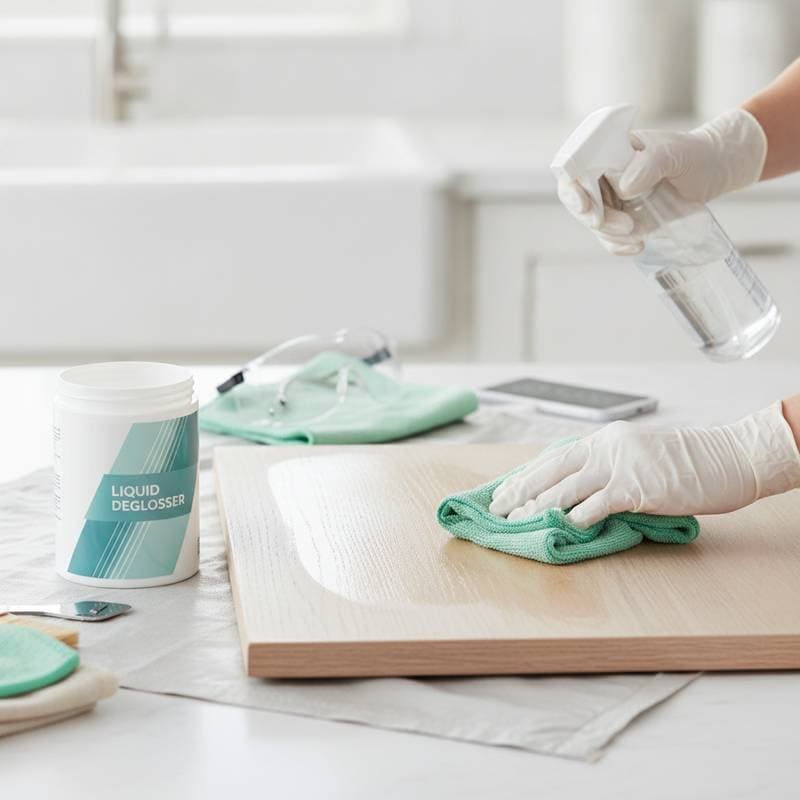
- Apply deglosser: Imbue a lint-free cloth or sponge and distribute uniformly. Prevent pooling.
- Dwell and wipe: Allow label-specified residence time, then cleanse with a moist cloth.
- Dry completely: Confirm dryness before primer or paint. Readiness typically occurs in one hour.
These modern agents seldom deposit powdery residues, minimizing rinse iterations. Proper execution leaves surfaces tactilely clean and subtly matte, optimized for subsequent coatings. Expect adhesion strength equivalent to TSP-prepared substrates, with reduced odor during application.
Deciding Between Professional and DIY Approaches
Homeowners frequently manage phosphate-free deglossers adeptly for routine tasks. The methodology remains simple, eschewing advanced tools. Nonetheless, professionals deliver superior results on expansive or intricate surfaces through their expertise in equilibrating cleanse intensity with finish integrity.
Scenarios for Professional Engagement
- Substrates bearing oil-based or high-sheen paints
- Assignments necessitating consistent luster over broad expanses
- Endeavors encompassing cabinets, trim, or ornate wood elements
- Environments with constrained airflow
Experts deploy precise methods and dedicated implements for uniform dulling and thorough residue clearance. They pair products optimally with designated primers and paints, mitigating risks of delamination or irregular bonding.
For a 200-square-foot living room repaint, a pro might allocate two hours for prep, ensuring flawless integration with semi-gloss topcoats.
Strategies for Smooth Product Adoption
Transitioning from phosphate-laden cleaners involves auditing existing inventories. Painters and homeowners benefit from trialing substitutes across varied surfaces to gauge efficacy. Implement these preparatory measures:
- Scrutinize labels for phosphate-free or biodegradable designations.
- Trial on inconspicuous zones to verify finish compatibility.
- Modify techniques, such as extending dwell periods or enhancing wipe frequency.
- Secure storage in temperate, arid locales shielded from light exposure.
View this evolution as a chance to integrate secure, enduring practices that uphold professional-grade outputs. Early experimentation on scrap materials builds confidence for full-scale use.
Selecting Optimal Alternatives
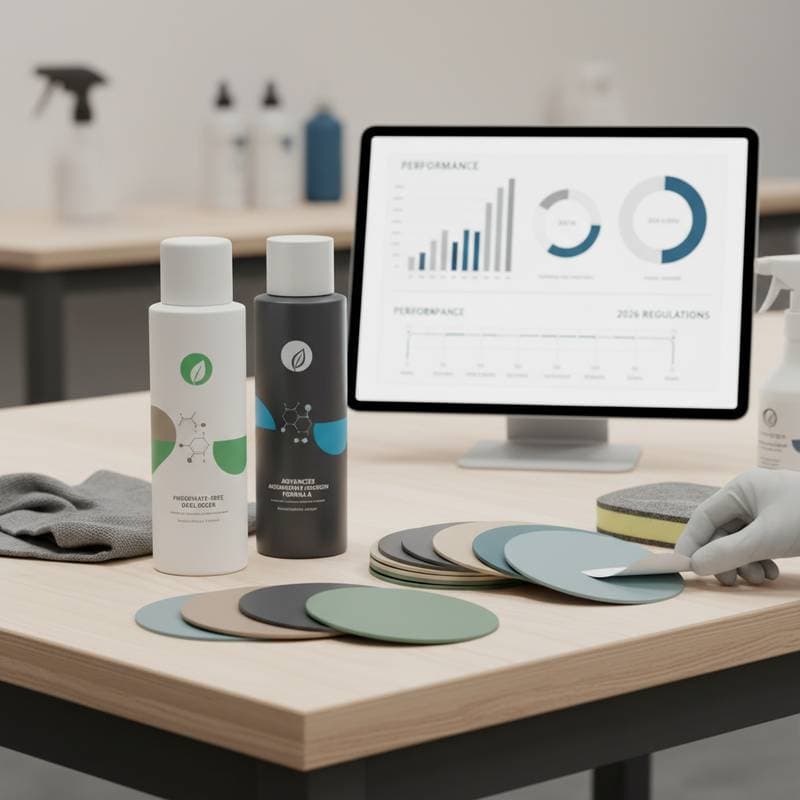
Dependable TSP successors harmonize potent cleaning with ecological stewardship. Water-based deglossers, certified liquid sandpapers, and biodegradable solvent mixtures satisfy these imperatives. Choice pivots on project magnitude, substrate nature, and safety priorities.
Painters pursuing steadfast adhesion and refined finishes transition assuredly to phosphate-free regimens. Minor procedural tweaks yield sustained performance and superior results upon meticulous application.
Frequently Asked Questions
What Determines the Expense of Transitioning from TSP?
Primary influencers include surface dimensions, selected products, and required labor. Phosphate-free variants command modest premiums per unit, yet streamline processes by curtailing rinses and debris management. Preparation outlays for homeowners range from $40 to $150, scaled to endeavor size.
How Do These Alternatives Compare in Effectiveness to TSP?
Phosphate-free options match TSP in grease removal and gloss reduction, often with faster drying and less residue. Water-based types excel on light soils, while solvent blends tackle heavy buildup, ensuring paint bonds as durably without environmental harm.
What Issues Arise from Lingering Residue Post-Cleaning?
Residual traces hinder paint adhesion, potentially causing flaking or discoloration. Adhere to directives for wiping or neutralizing to secure a pristine, arid base prior to coating initiation.
Are These Products Safe for All Surfaces?
Most suit painted walls, wood, and metal, but verify labels for specifics like varnished floors. Test compatibility to avoid softening or discoloration on delicate materials.