The $8K Venetian Plaster Upgrade: Better Than Drywall?
Venetian plaster has long been associated with luxury interiors and timeless craftsmanship. Its smooth, marble-like texture and subtle luminosity create a finish that drywall simply cannot replicate. For many homeowners, the question arises whether the beauty and durability of Venetian plaster justify its higher cost. When a wall upgrade can reach $8,000 or more, understanding what drives that price and what value it adds becomes essential.
What Venetian Plaster Involves
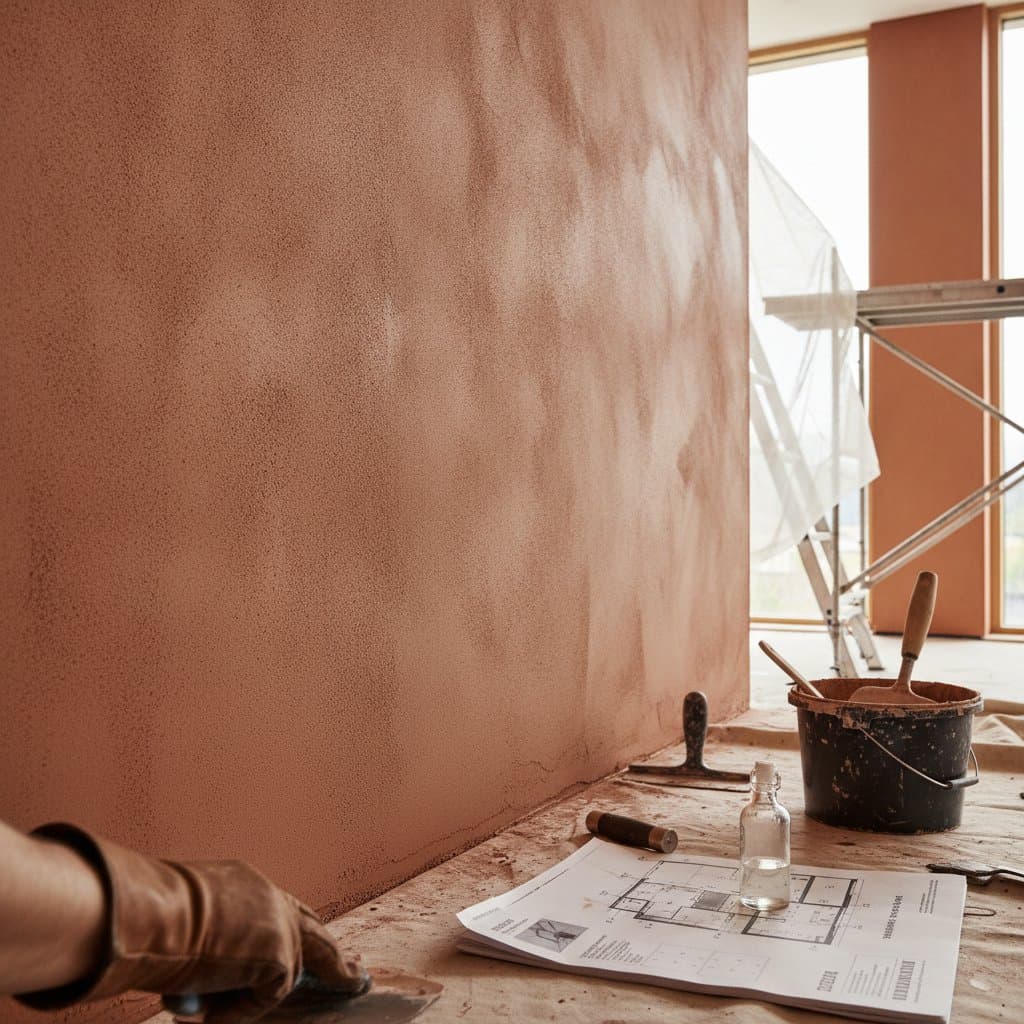
Venetian plaster is a decorative wall finish made from lime, marble dust, and pigments. The material is applied in multiple thin layers, then polished to achieve a soft sheen or a high-gloss, stone-like surface. Each layer must be carefully troweled, dried, and burnished, requiring significant time and skill. The result is a surface that feels both natural and elegant, with depth and texture that drywall cannot match.
Drywall, by contrast, is a practical building material made from gypsum panels. It provides a smooth, paintable surface at a much lower cost. While drywall serves as the foundation for most interior walls, it often needs additional finishing, such as texture or paint, to achieve a decorative result.
Project Cost Breakdown
Average Cost Ranges
- Basic Venetian plaster installation: $6,000 - $8,000 for an average living area
- Standard project with custom tinting and polishing: $8,000 - $12,000
- Premium finish with artistic effects or large areas: $12,000 - $18,000
What's Included
- Skilled labor for surface preparation and multi-layer application
- High-quality lime or synthetic plaster materials
- Custom color mixing and finish selection
- Polishing, waxing, and cleanup
What Costs Extra
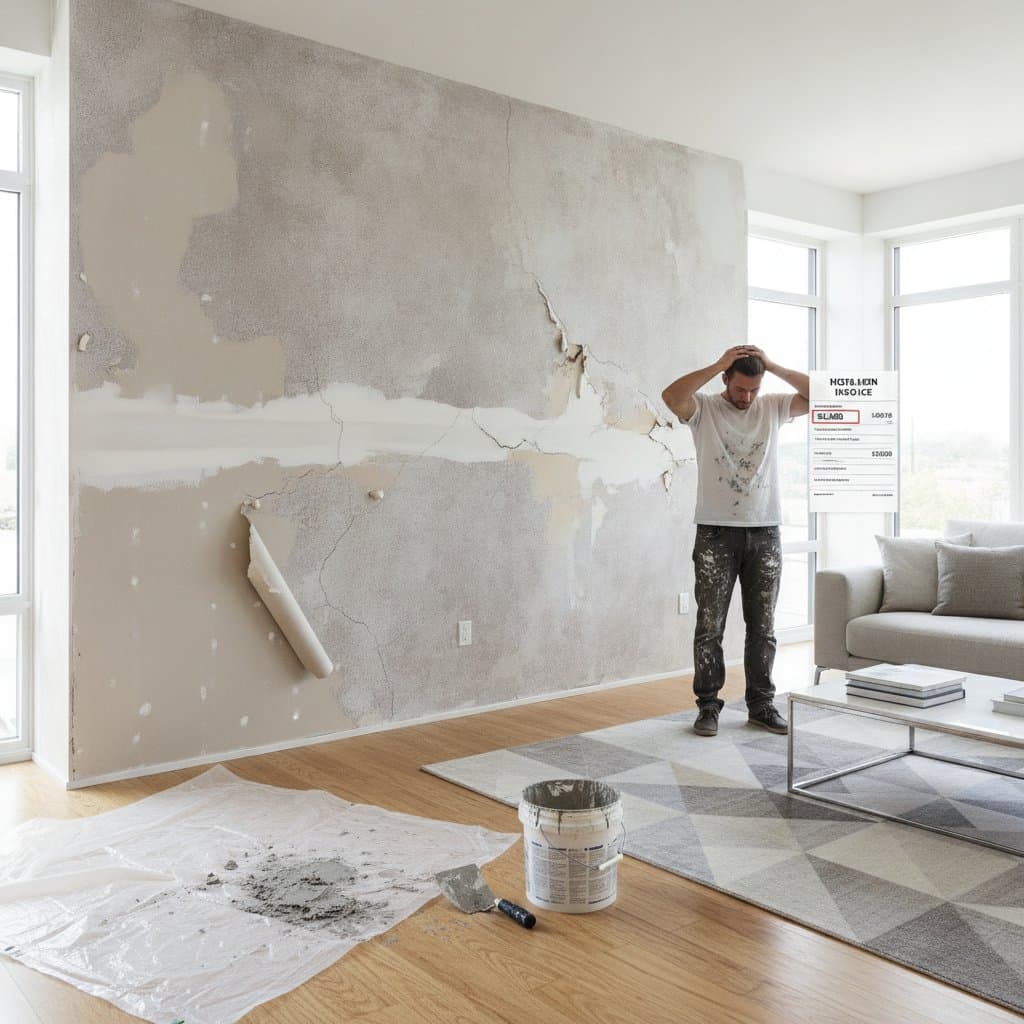
- Wall repairs or patching before plastering
- Specialty pigments or metallic finishes
- Complex ceiling applications
- Protective sealants for high-moisture rooms
Factors That Affect Final Cost
| Factor | Cost Impact | Examples |
|---|---|---|
| Surface condition | Raises cost if repairs are needed | Cracked or uneven drywall must be corrected first |
| Material choice | Increases price with higher-end plasters | Authentic lime plaster costs more than synthetic blends |
| Finish complexity | Adds labor hours and materials | Glossy or textured finishes require extra layers |
| Room size and layout | Changes total cost | Rooms with high ceilings or curved walls take longer |
| Contractor expertise | Impacts labor rate | Experienced artisans charge more but deliver superior quality |
Comparing Venetian Plaster and Drywall
Drywall installation typically costs between $1.50 and $3 per square foot, including finishing and painting. Venetian plaster ranges from $10 to $25 per square foot. The cost difference reflects not only materials but also the craftsmanship required. Venetian plaster is applied by hand with precision, while drywall finishing is faster and more standardized.
Venetian plaster also offers unique benefits:
- Durability: It resists dents and scratches better than painted drywall.
- Maintenance: Small scuffs can often be buffed out without repainting.
- Aesthetic depth: Each wall has a custom finish that changes with light.
- Longevity: Properly maintained plaster can last decades with minimal fading.
Drywall remains the economical choice for most homes, especially when painting or wallpapering is planned. Yet homeowners seeking a luxurious, permanent finish often find the investment in Venetian plaster worthwhile.
Timeline Expectations
A typical Venetian plaster project takes longer than drywall finishing. Preparation alone can require several days to ensure smooth, clean surfaces. Each layer must dry completely before the next is applied. Homeowners should expect:
- Small room (200 sq. ft.): 3 to 5 days
- Medium room (400 sq. ft.): 5 to 7 days
- Large or complex spaces: 1 to 2 weeks
Drywall installation of the same size might be completed in half that time, but the visual result is far less distinctive.
Professional vs. DIY Approach
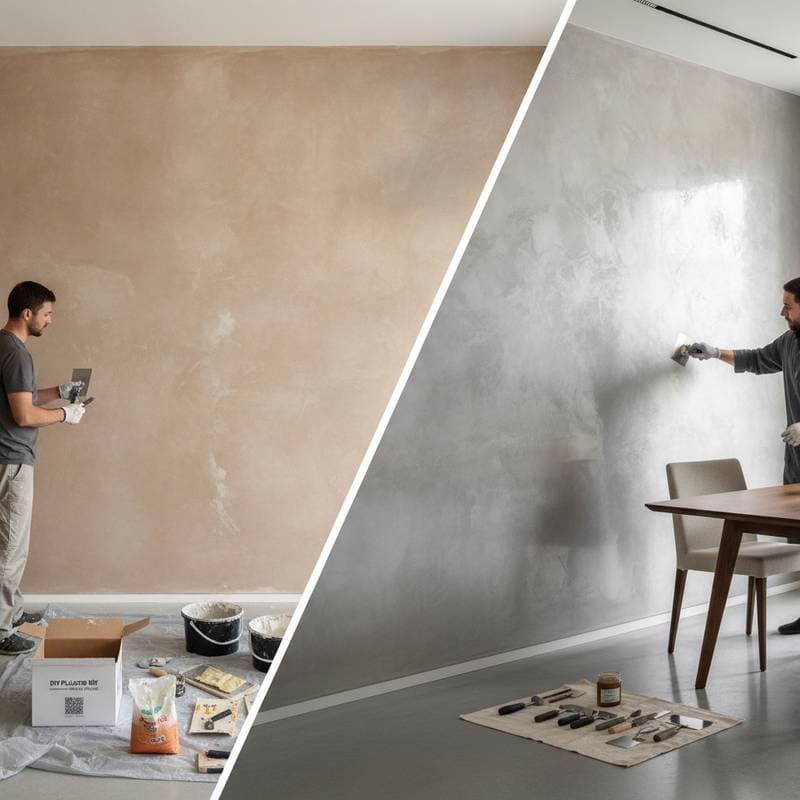
Venetian plaster is not a project for beginners. The technique demands skill in trowel control, timing, and finishing. Imperfect application can cause streaks or uneven coloration that are difficult to correct. Professional plasterers have the tools and experience to achieve consistent results.
DIY enthusiasts can experiment on small accent areas or sample boards, but large-scale projects should be handled by trained artisans. Drywall, on the other hand, can be repaired or finished by most homeowners with basic tools and patience.
Choosing the Right Professional
When hiring a contractor or plaster specialist, homeowners should:
- Verify experience with Venetian plaster specifically, not just drywall or painting.
- Request samples of past work and finish types.
- Ask for detailed quotes outlining materials, layers, and finish levels.
- Confirm insurance and licensing to protect against accidents.
- Discuss maintenance needs and optional sealant applications.
A reliable professional will explain the entire process, from wall preparation to final polishing, and provide realistic pricing that matches the project size and finish quality.
Planning Your Project
Before committing to an $8,000 Venetian plaster upgrade, homeowners should evaluate their goals. If the aim is durability and a distinctive look, plaster delivers both. If budget or time is limited, drywall with quality paint or faux finishes can still create attractive results.
Preparing the space includes cleaning walls, removing fixtures, and ensuring adequate ventilation. Once complete, Venetian plaster adds value through its beauty and resilience. It transforms plain walls into statement surfaces that reflect light and craftsmanship.
Frequently Asked Questions
Why does Venetian plaster cost more than drywall?
The cost difference comes from labor intensity and material quality. Venetian plaster requires multiple hand-applied layers, polishing, and skill. Drywall is faster to install and finish, making it more affordable.
Is Venetian plaster worth the investment?
For homeowners seeking durability, texture, and luxury appeal, yes. While drywall remains functional, Venetian plaster elevates the space and reduces long-term maintenance. The decision depends on budget, style preference, and overall home design goals.
How do I maintain Venetian plaster walls?
Regular dusting with a soft cloth keeps the surface clean. For deeper cleaning, use a mild soap solution and avoid harsh chemicals. Apply wax or sealant every few years to preserve the finish and protect against moisture.
Can Venetian plaster be used in bathrooms?
Yes, with proper sealants to handle humidity. Opt for lime-based plasters that breathe and resist mold. Professionals recommend testing in high-moisture areas to ensure longevity.