The $800 Sanding Mistake That Ruins Paint Adhesion
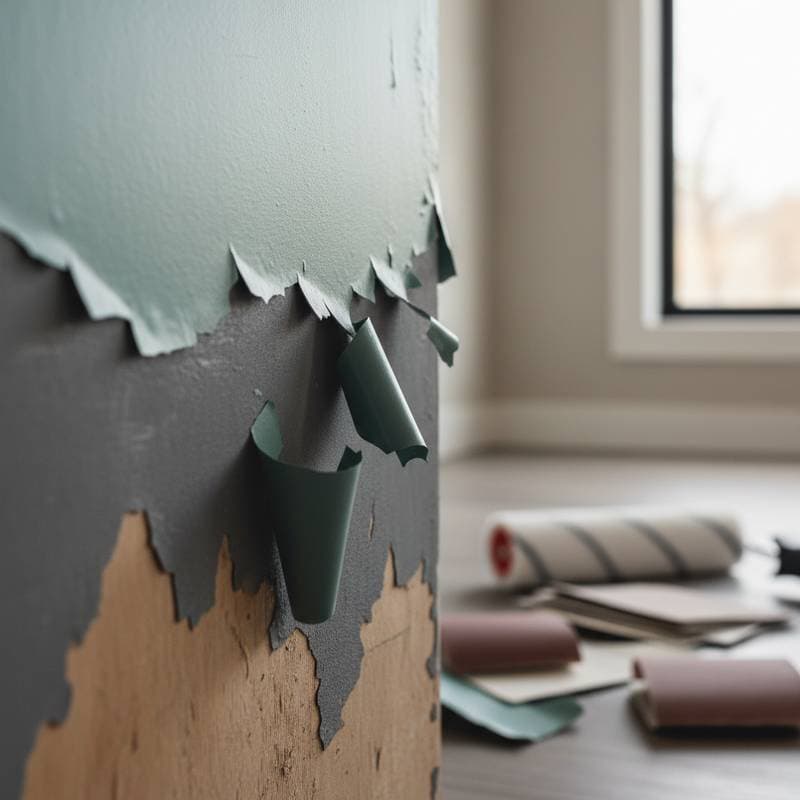
A flawless paint finish begins long before the brush touches the wall. The hidden foundation of every durable, professional-quality paint job is surface preparation. Among the steps that define success or failure, sanding holds a critical place. Many homeowners underestimate its importance, only to face peeling, bubbling, or uneven paint within months. These failures often trace back to one costly oversight: improper sanding. That mistake can add up to hundreds of dollars in wasted materials and labor, often reaching or exceeding $800 in rework costs.
Understanding why sanding errors destroy paint adhesion helps homeowners plan better, avoid unnecessary expenses, and ensure their surfaces are prepared correctly before painting begins.
Average Cost Impact of Improper Sanding
The financial consequences of skipping or mishandling sanding vary depending on the size and type of project. Below is a general cost breakdown illustrating how a single sanding mistake can result in expensive repairs.
Average Rework Cost Ranges by Project Size
- Small room (100-150 square feet): $300 - $500 in additional costs
- Medium room (200-400 square feet): $600 - $850 in additional costs
- Large room (400-600 square feet): $900 - $1,200 including repainting and materials
Cost Breakdown per Square Foot
On average, repainting due to poor surface preparation costs between $2 and $4 per square foot, including:
- Materials: $0.75 - $1.25 per square foot
- Labor: $1.25 - $2.75 per square foot
- Surface preparation redo: $0.50 - $1.00 per square foot
This means a single sanding misstep can easily lead to an $800 problem, especially once primer, topcoat, and additional labor are factored in.
Detailed Cost Analysis by Surface Type
| Surface Type | Basic Range | Standard Range | Premium Range | Key Differences |
|---|---|---|---|---|
| Drywall | $1.50 - $2.50 | $2.50 - $3.50 | $3.50 - $4.50 | Level of priming, sanding technique, and finish consistency |
| Wood Trim | $2.00 - $3.00 | $3.00 - $4.50 | $4.50 - $6.00 | Sanding direction, primer quality, and paint type |
| Interior Doors | $60 - $120 each | $120 - $200 each | $200 - $300 each | Surface complexity, detailing, and sanding precision |
| Metal Surfaces | $2.50 - $3.50 | $3.50 - $5.00 | $5.00 - $6.50 | Requires specialized sanding and rust-resistant primer |
Poor sanding on any of these surfaces leads to adhesion loss, which means repainting costs rise by 40 to 70 percent compared to properly prepared surfaces.
How to Avoid Sanding Errors Before Painting
1. Use the Right Grit Sequence
Start with medium-grit sandpaper, such as 80 to 120 grit, to level imperfections and remove old paint or gloss. Progress to fine-grit sandpaper, 220 grit or higher, for a smooth finish that promotes strong paint bonding. For drywall, begin at 120 grit after patching and end at 150 to 180 grit; wood surfaces benefit from finishing at 180 to 220 grit to avoid raising the grain.
2. Always Vacuum and Wipe Surfaces
After sanding, use a shop vacuum with a brush attachment to remove loose dust particles from the surface and surrounding area. Follow with a tack cloth or a slightly damp microfiber cloth to capture fine residue. This step eliminates contaminants that interfere with primer and paint adhesion.
3. Apply a Bonding Primer
Select a high-quality bonding primer suited to the surface, such as oil-based for wood or high-build for drywall. Apply it evenly with a roller or brush to fill micro-scratchesand provide a uniform base. Allow the primer to cure fully, typically 24 hours, before topcoating to prevent future failures.
4. Inspect Under Proper Lighting
Position a portable work light or flashlight at a low angle to cast shadows across the sanded surface. This technique highlights scratches, swirl marks, or uneven spots that require additional sanding. Address these issues immediately to achieve a seamless foundation for painting.
5. Allow Proper Drying Time
After cleaning or applying filler, wait at least 24 hours for surfaces to dry completely, depending on humidity levels. Test for dryness by pressing a finger gently; any coolness or softness indicates trapped moisture. Rushing this step traps humidity under the paint, leading to bubbles and peeling.
6. Time Sanding for Optimal Conditions
Complete sanding in dry conditions with temperatures between 50 and 85 degrees Fahrenheit. Avoid high-humidity days above 60 percent or dusty workshops, as these factors compromise dust removal and paint bonding. Schedule work during milder seasons for best results.
Value and Long-Term Benefits of Proper Sanding
Investing time in correct surface preparation yields significant long-term savings. A well-sanded and primed surface maintains its finish for 5 to 10 years without peeling or fading, reducing the need for frequent touch-ups. Homeowners enjoy lower maintenance expenses and enhanced property value, as smooth, durable paint elevates interior aesthetics.
The paint adheres evenly, resists everyday wear from cleaning and traffic, and delivers a professional appearance. This preparation also simplifies future repaints, as existing layers bond reliably without extensive stripping.
Planning Your Budget
Homeowners planning painting projects should allocate 10 to 15 percent of their total budget for surface preparation. This includes tools for sanding, cleaning supplies, and primer. For a $3,000 interior painting project, that means dedicating $300 to $450 to these essential steps.
Such an investment prevents the $800 sanding mistake that leads to rework. By prioritizing preparation, projects stay on track and deliver lasting results without unexpected costs.