2026's Leading Wall Finishes: Boucle and Plaster
Walls serve purposes beyond mere coloration. Homeowners increasingly value texture for its ability to add dimension and tactile appeal. Boucle-inspired coatings and modern plaster walls stand out as frontrunners, offering cozy fabric-like qualities or sleek sculptural effects that elevate contemporary interiors.
Knowledge of costs, installation processes, and design applications empowers informed planning. This resource outlines expectations for boucle and plaster projects, examines price variations, and provides strategies to align expenses with lasting benefits.
Key Factors Influencing Boucle and Plaster Wall Costs
Multiple variables shape the overall expense of textured wall treatments. Awareness of these elements enables precise budgeting.
Material Selection and Quality
Boucle effects arise from textured paints, synthetic plasters, or fabric-infused compounds. Premium formulations incorporating microfibers or mineral additives yield superior texture at a higher price point. Traditional plasters, including Venetian or lime varieties, demand high-grade materials and skilled craftsmanship, which elevate costs.
Surface Preparation Requirements
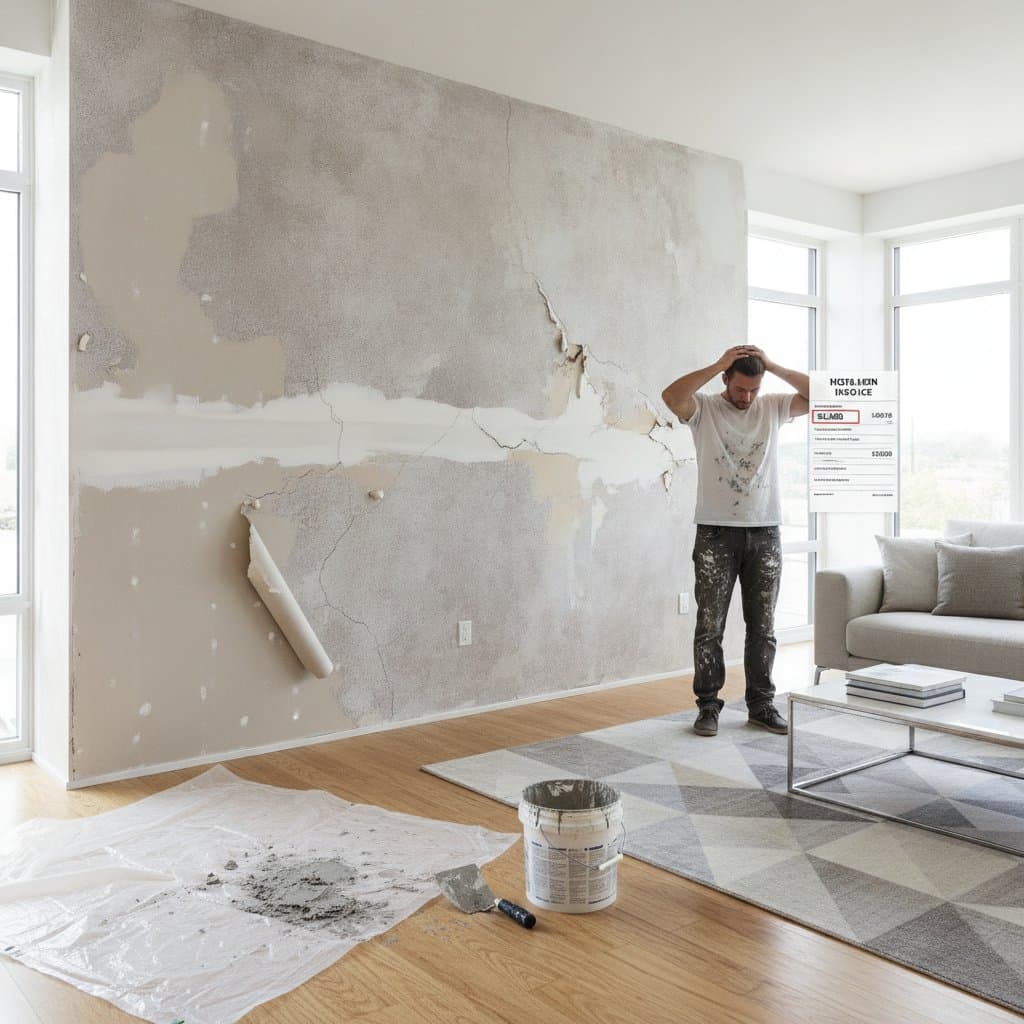
Well-maintained, even surfaces minimize preparation expenses. Damaged or irregular drywall necessitates patching, priming, and sanding prior to texturing. Such preparatory steps typically add $1 to $2.50 per square foot, scaled to the wall's existing condition.
Installation Techniques and Complexity
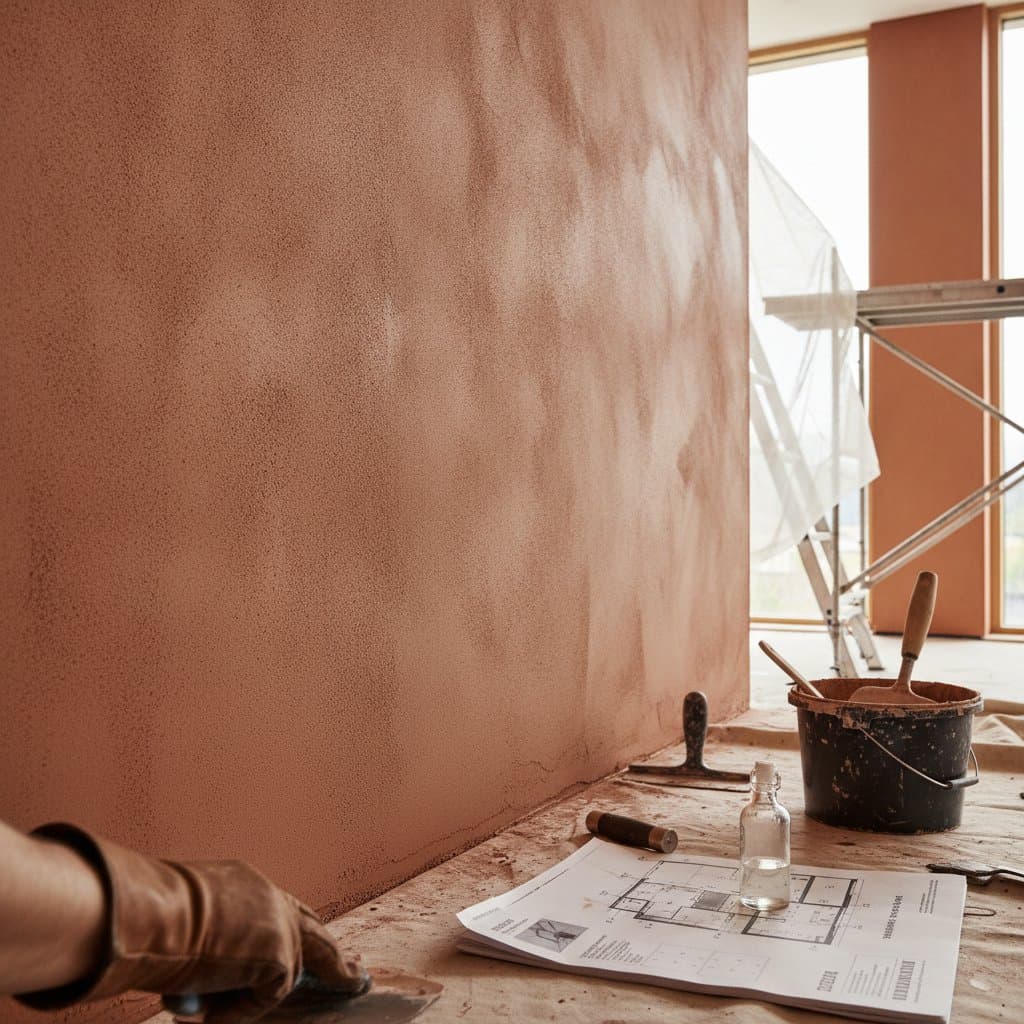
Boucle applications involve rolling, troweling, or spraying, where detailed patterns require successive layers for depth. Plaster work entails precise layering, burnishing, and optional tinting by trained professionals. Greater intricacy extends labor duration and correspondingly increases charges.
Finish Specifications
Matte boucle treatments demand fewer steps than glossy or burnished plaster, which involve sealing and polishing. Additional processes contribute to both material and labor outlays.
Location-Based Market Dynamics
Regional labor rates and material sourcing affect final pricing. Metropolitan zones with strong demand for custom finishes command premiums. In contrast, rural settings provide reduced labor fees, though specialty supplies may incur shipping costs.
Assessing Value and Return on Investment
Textured walls contribute more than aesthetic enhancement. Boucle and plaster treatments boost home value through evident artisanal quality and spatial depth. These surfaces conceal small flaws more effectively than smooth paint, thereby lowering future repair needs.
Sealed plaster endures for generations with routine care. Boucle options, while sensitive to wear, allow targeted refreshes rather than complete overhauls. Strategic placement in high-impact areas like living rooms or accent walls yields notable resale advantages, appealing to buyers seeking distinctive, inviting atmospheres.
Strategies for Effective Budgeting
Start budgeting by calculating precise wall measurements and identifying priority zones for texturing. Allocate a 10 to 15 percent buffer for unforeseen issues or modifications. Solicit detailed quotes from contractors that delineate materials, labor, and prep costs to identify efficiencies.
Sample Budget for a 300 Square Foot Space
- Materials: $900 to $2,100
- Labor: $1,200 to $2,700
- Preparation and Sealing: $300 to $600
- Overall Estimate: $2,400 to $5,400
Adaptations during execution can redirect savings toward superior materials or refined finishes.
Emerging Trends in Plaster Walls
Plaster has advanced from basic smoothness to multifaceted expressions of texture and form. Current methods introduce volume, subtlety, and creative flair, with choices spanning subtle matte sheens to reflective polishes.
Popular Plaster Techniques
- Lime Plaster for Natural Appeal: Composed of mineral bases, this option manages moisture, maintains breathability, and emits a gentle luminescence.
- Venetian Plaster for Opulence: Delivers a lustrous, marble-emulating surface suited to accent walls or luxurious wet areas.
- Troweled Textural Builds: Creates rugged profiles that emphasize hand-applied artistry and visual interest.
Plaster transforms room dynamics: matte variants foster serenity, while polished ones convey refinement. Its resistance to humidity and light damage positions it as a robust improvement over conventional alternatives.
Care Practices for Durability
Preserve textured walls through tailored maintenance routines. Dust boucle surfaces using a soft brush or vacuum tool, steering clear of harsh cleaners that snag loops. For plaster, employ diluted soap solutions and periodic resealing to sustain appearance and safeguard against elements.
Premium plaster withstands indefinite use under vigilant upkeep. Boucle may need periodic spot repairs in active zones. Overall, these finishes outperform paint in resilience when tended appropriately, ensuring sustained performance.
Common Questions on Boucle and Plaster Walls
Average Pricing for These Finishes
Expenses typically span $5 to $18 per square foot, influenced by texture specifics, material grades, and workmanship. Boucle applications generally range from $5 to $12 per square foot, whereas plaster falls between $8 and $18. Elaborate designs or high-polish results incur extras for layers and expertise.
Optimal Timing for Cost Savings
Initiate projects during off-peak periods when contractor workloads lighten, often yielding discounted rates and expedited scheduling. Early planning secures availability and competitive bids.