The $800 Sanding Mistake Ruining Cabinet Repaints
Cabinet repainting refreshes a kitchen or bathroom without full replacement costs. Many homeowners undermine results during the initial sanding step. Incorrect sanding leads to adhesion failures, uneven textures, and paint peeling that requires expensive corrections.
Why Sanding Matters So Much
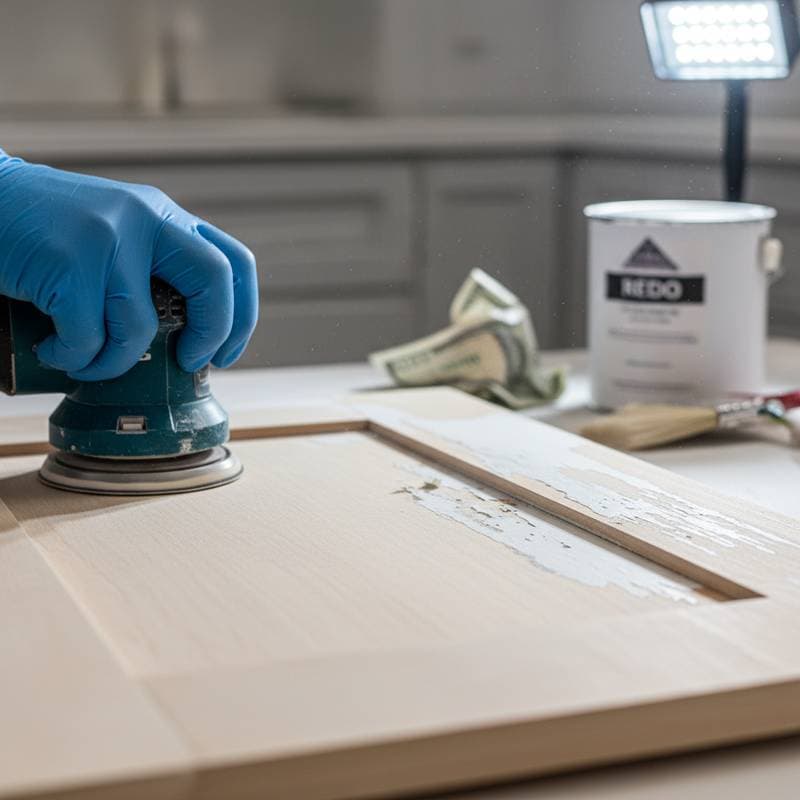
Sanding creates a mechanical bond for primer and paint adhesion. Factory-finished or previously coated cabinets present slick surfaces that resist coatings. Light sanding removes gloss and provides necessary grip. Skipped or mishandled sanding allows paint to chip or peel shortly after application.
Professional painters allocate substantial time to surface preparation. This stage establishes finish stability. A strong topcoat cannot compensate for an unstable base.
Project Cost Breakdown
Average Cost Ranges
- Basic cabinet repaint with proper prep: 2000 to 3500 dollars
- Repair of peeling from sanding errors: 600 to 1000 dollars
- Complete repaint redo: 2500 to 4000 dollars
Services Included
- Hardware and door removal
- Degreasing and cleaning
- Sanding with sequenced grits
- Bonding primer application
- Finish coat application
- Reassembly and inspection
Additional Expenses
- Filler work for surface damage
- Replacement of warped doors
- Upgraded finishes such as lacquer
- Enhanced dust containment
Cost Factors
| Factor | Impact | Examples |
|---|---|---|
| Surface condition | Moderate to high | Heavy grease or old varnish |
| Material type | Moderate | Oak needs deeper sanding than MDF |
| Desired finish level | High | High-gloss requires extra polishing |
| Prior DIY work | Variable | Uneven sanding increases labor |
The $800 Mistake Explained
Homeowners often treat sanding as simple smoothing with fine paper. Smoothness alone fails to create grip. Overly fine grits or incomplete gloss removal leave surfaces that reject paint. The resulting film lifts or bubbles under normal use.
Correction requires finish stripping, re-sanding, re-priming, and repainting. These steps accumulate labor and material costs that frequently exceed 800 dollars.
Professional Prevention Methods
Painters match techniques to each cabinet material. They follow a grit sequence that begins at 120 to break sheen and ends at 180 or 220 for uniform texture. Dust removal occurs between grits. Thorough degreasing follows sanding.
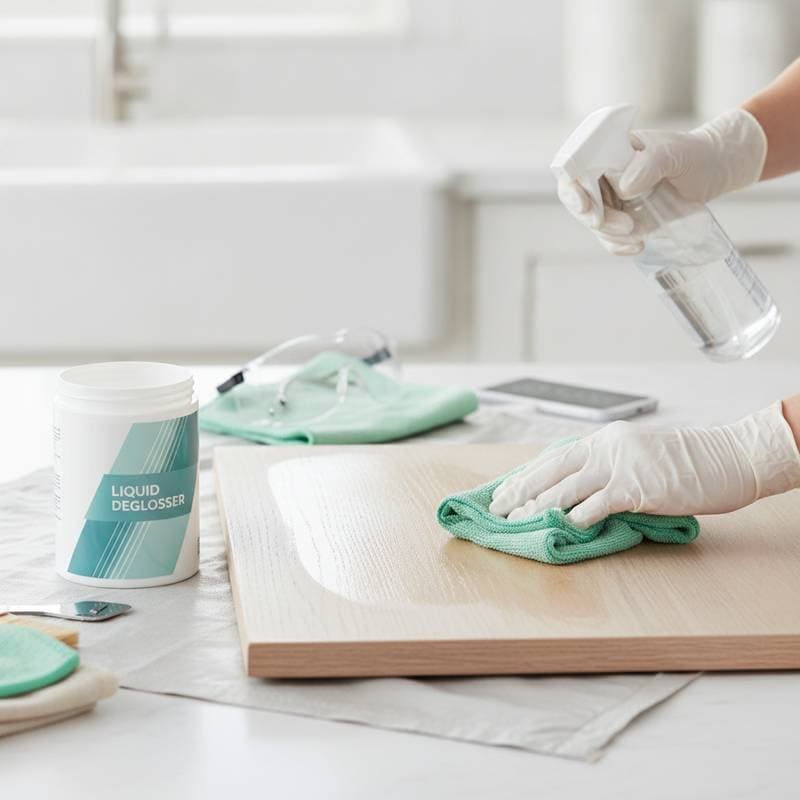
Factory finishes or laminates need chemical deglossing or specialized bonding primers. These steps prevent adhesion failure even when sanding appears sufficient.
Risks of DIY Sanding
First-time projects commonly involve wrong grit selection, uneven pressure, or overlooked edges. Electric sanders produce swirl marks visible through paint. Aggressive sanding on veneered or molded surfaces exposes substrate that absorbs paint inconsistently.
Small touch-up work suits DIY efforts. Full kitchen or bathroom repaints benefit from professional equipment and experience.
Steps for Successful Preparation
Homeowners improve outcomes with organized preparation.
- Remove all hardware and label components.
- Degrease every surface completely.
- Protect adjacent areas with drop cloths.
- Select appropriate grits and primers for the material.
These measures reduce rework risk and support proper adhesion from the start.
Selecting Professional Assistance
Repainting succeeds when preparation receives full attention. Rushed sanding or omitted primer leads to early failure and added expense. Professional teams document their sanding sequence, dust control, and inspection process. Request these details before agreement to confirm quality standards.