The Costly Error in Painting Vinyl Siding
Painting vinyl siding offers an affordable way to update a home exterior. Many homeowners encounter issues with peeling finishes or warped panels after the project. One frequent decision leads to repair costs around 800 dollars. This issue arises from how vinyl responds to heat, surface conditions, and coating choices.
Proper planning addresses these factors directly. Homeowners gain lasting results by focusing on compatible materials and correct timing. The following sections outline the core problem along with practical steps to achieve durable coverage.
How Dark Paint Choices Damage Vinyl
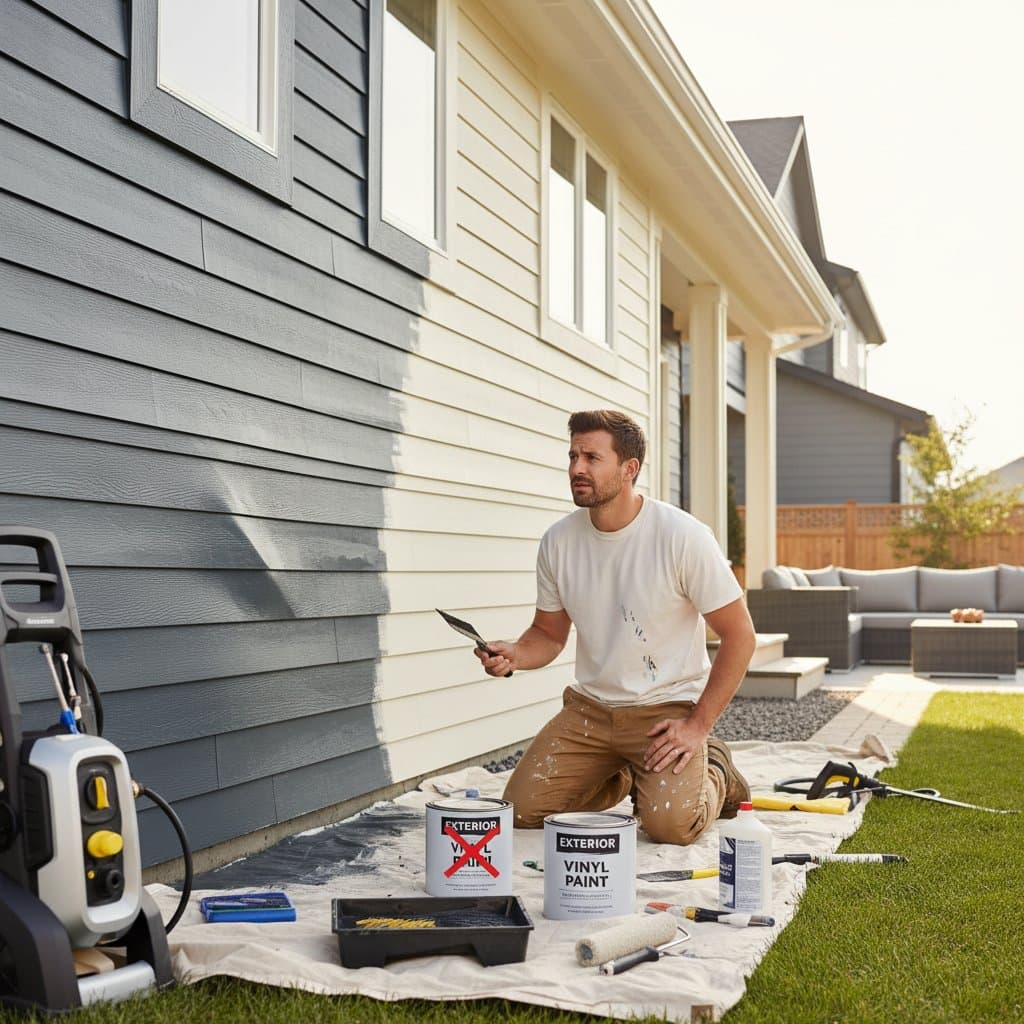
Homeowners often select a shade darker than the original siding color. Vinyl expands and contracts as temperatures shift throughout the day. Darker coatings absorb additional heat and push the material beyond its limits, which produces buckling or distortion.
Repairs for this problem typically involve panel replacement or full repainting. These steps add labor and material expenses that reach 800 dollars or higher in many cases. Selecting a color within manufacturer guidelines prevents the expansion issue from the start.
Paint Options and Their Performance
Acrylic latex formulas without vinyl-specific additives lack the needed flexibility. They often fail to bond well and require early replacement. Vinyl-safe acrylic paints include pigments that resist ultraviolet damage and allow movement. Premium versions cost between 70 and 85 dollars per gallon yet deliver extended service life.
Elastomeric coatings provide extra stretch and weather resistance. These products suit regions with wide temperature swings. Upfront investment in compatible coatings reduces the chance of later structural repairs.
Steps That Lower Project Expenses
- Power wash the siding several days before the crew arrives and confirm complete dryness.
- Request color charts labeled for vinyl use and stay within two shades of the original tone.
- Schedule work during spring or fall when labor rates often drop and curing conditions remain stable.
- Bundle trim or shutter painting in the same visit to reduce mobilization fees.
- Request itemized bids that list surface preparation as a separate line item.
These actions cut total outlay while supporting consistent adhesion.
Budget Planning for Reliable Results
Measure the full exterior area and multiply by 2.50 dollars per square foot to reach a base figure. Add 10 percent for unexpected surface repairs. Reserve another 10 to 15 percent of the total as a contingency fund for extra coats or color adjustments.
Professional crews supply commercial-grade equipment and safety systems. Their experience with expansion rates and surface testing lowers the risk of adhesion failure. Homeowners who attempt the work themselves frequently encounter equipment rental costs and rework that erase initial savings.
Surface Preparation Before Coating
Inspect every panel for cracks or brittleness and replace damaged sections first. Wash the surface with a mild detergent solution followed by thorough rinsing. Rub a clean cloth across dry siding to check for chalk residue. Light sanding removes any remaining film that would block paint bonding.
Apply primer and finish coats only when temperatures fall between 50 and 85 degrees Fahrenheit. Test a small hidden area to verify color match and adhesion before full coverage begins.
Ideal Scheduling for Lower Rates
Contractors extend reduced pricing during slower months. Moderate temperatures allow even drying and reduce the chance of lap marks. Book at least four weeks ahead to secure the preferred crew and material delivery window.
Protecting Your Investment Over Time
Quality surface cleaning and vinyl-safe coatings extend finish life to eight or ten years. Regular inspections each spring catch minor issues before they require panel replacement. Consistent maintenance preserves curb appeal without repeated full repaints.