Textured Walls: The $800 ROI Alternative to Shiplap
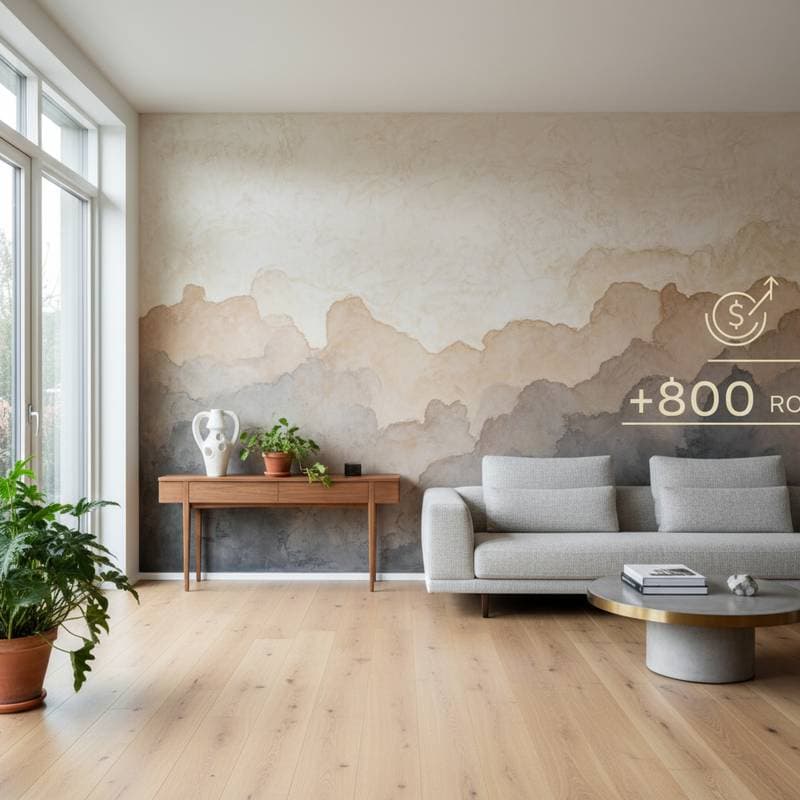
Home renovation trends evolve alongside shifting design preferences and investment priorities. Homeowners seeking interior updates without extensive overhauls find textured walls an ideal replacement for shiplap. This approach merges aesthetic depth with tangible financial returns, often yielding an estimated $800 increase in property value over standard drywall or dated paneling.
Understanding Textured Wall Applications
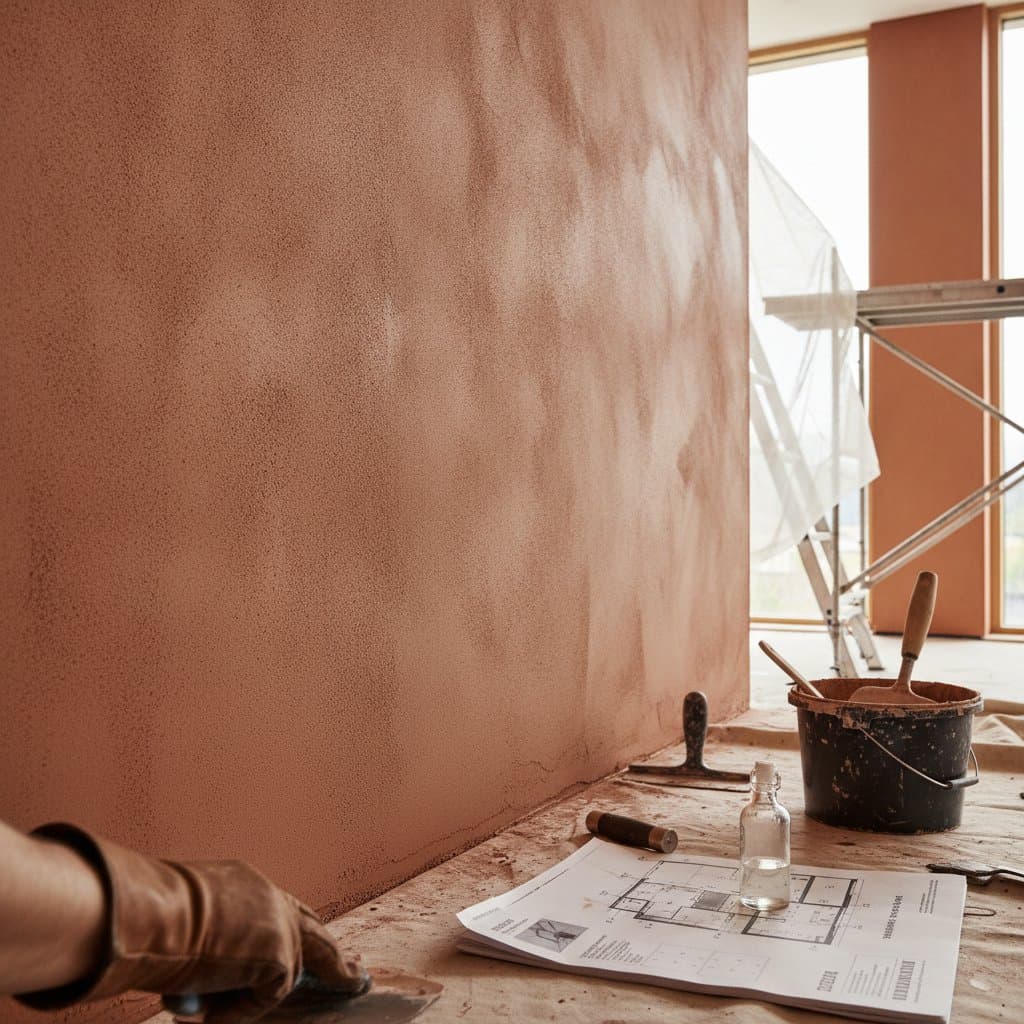
Textured walls achieve dimension through techniques involving plaster, joint compound, or specialized paints. In contrast to shiplap's straight-line wood panels and farmhouse aesthetic, textures manipulate surfaces for organic character. Common options encompass knockdown patterns, orange peel effects, Venetian plaster, and brushed or rolled applications. These choices adapt seamlessly to contemporary, transitional, or classic environments, ensuring broad applicability and sustained worth.
An accent wall with texture can revitalize one space, whereas comprehensive coverage reshapes multiple rooms. Homeowners select these finishes to mask subtle drywall flaws or introduce warmth to otherwise bland painted surfaces.
Detailed Cost Analysis
Typical Cost Categories
- Basic applications: $500 to $1,000
- Mid-range projects: $1,200 to $2,000
- Luxury installations: $2,500 to $4,000
Core Project Components
- Preparation of surfaces, including minor repairs
- Application of texture materials or compounds
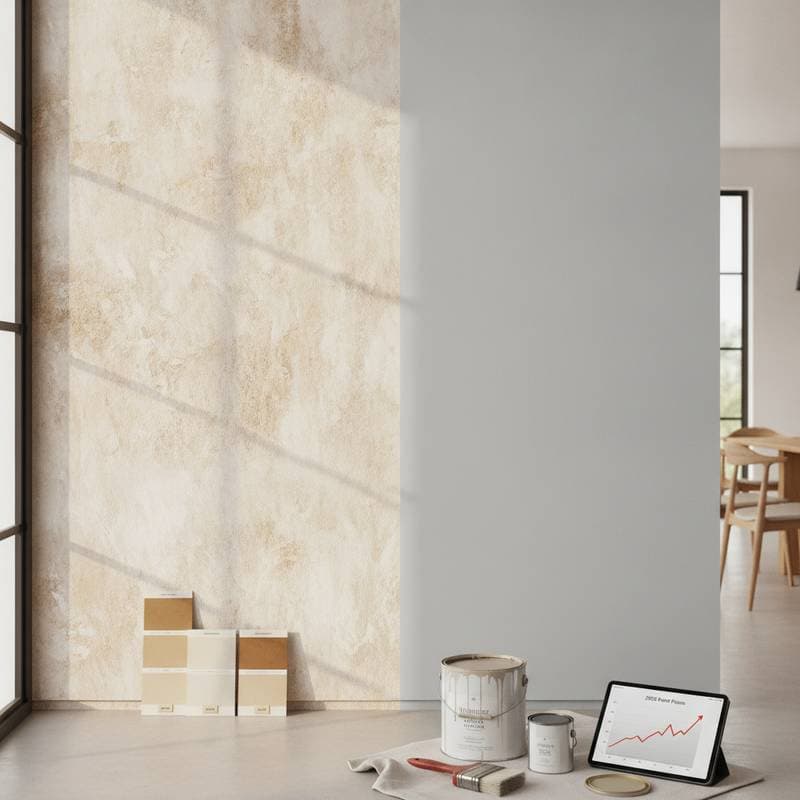
- Layering of primer and paint for durability and color integration
- Final cleanup and quality checks for even results
Additional Expenses
- Extensive drywall repairs or full replacements
- Advanced materials such as Venetian plaster or metallic infusions
- Premium paints or bespoke color formulations
- Expansive resurfacing of walls or ceilings
Key Cost Influences
| Factor | Impact on Cost | Specific Examples |
|---|---|---|
| Existing wall state | Elevates labor expenses | Fractured or irregular drywall surfaces |
| Selected materials | Increases material outlay | Venetian plaster compared to standard knockdown |
| Area dimensions | Boosts supply needs | Expansive great rooms or open-plan designs |
| Specialist skills | Affects rates | Expert applicators command higher fees |
Reasons Textured Walls Eclipse Shiplap
Shiplap dominated farmhouse and coastal designs, yet current tastes favor fluid, integrated elements that complement diverse decor. Textured walls provide enduring elegance untethered to fleeting trends. They integrate effortlessly with matte or high-sheen paints, facilitating straightforward color refreshes over time.
Beyond aesthetics, these surfaces offer functional advantages. They obscure minor impacts and joints, minimizing the need for ongoing fixes. Upkeep involves basic dusting and infrequent spot treatments. Unlike wooden shiplap, textured finishes remain stable amid moisture fluctuations, avoiding splits or gaps.
Project Timeline Overview
Textured wall installations generally proceed as follows:
- Initial preparation and fixes: One full day
- Texture layering: One to two days
- Curing and finishing coats: One to two days
Accent features in compact areas wrap up in two to three days. Larger spaces might extend to a week, influenced by environmental factors like humidity. Skilled teams employ precision tools such as airless sprayers and finishing trowels for flawless execution.
Evaluating DIY and Professional Options
Individuals with hands-on experience may experiment with entry-level textures via rollers and ready-to-use mixes, though outcomes in uniformity and refinement differ widely. Experts in painting and drywall ensure seamless blends and precise motifs. They handle debris management and safeguard adjacent areas effectively. For optimal longevity and market enhancement, commissioning professionals yields superior results.
Key DIY Factors:
- Necessity for safety equipment and disposal supplies
- Extended durations accounting for cure times and adjustments
- Restricted options absent specialized machinery
Benefits of Professional Services:
- Assured evenness and resilience
- Streamlined processes with reduced household interference
- Utilization of cutting-edge supplies and methods
Selecting and Collaborating with Specialists
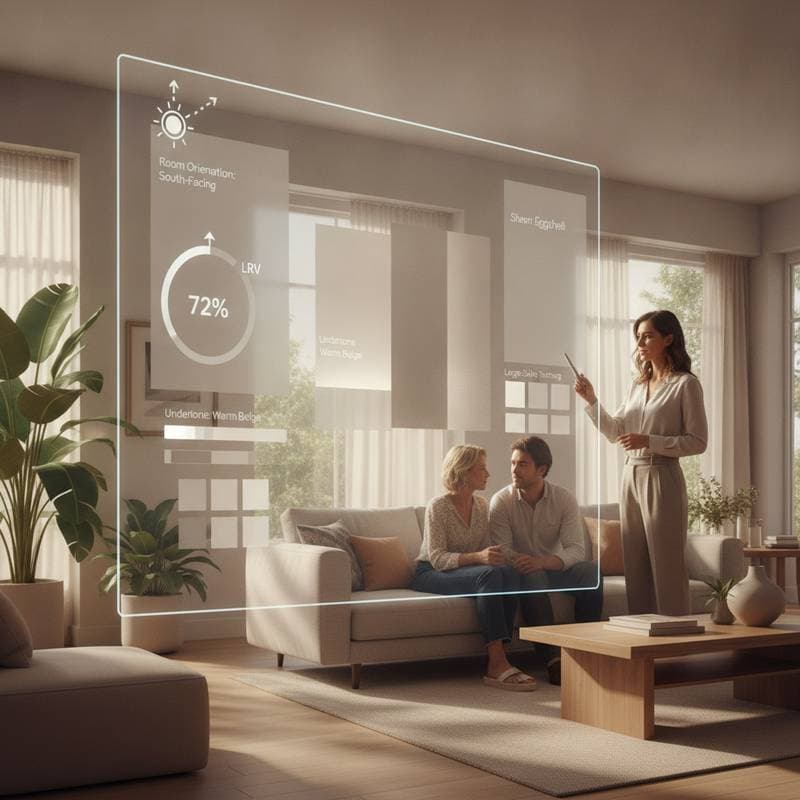
For textured wall endeavors, obtain detailed quotes from no fewer than three certified contractors. Confirm proof of insurance and review portfolios of past work. Establish precise expectations regarding texture variety, hues, and sheen to avoid discrepancies. Verify inclusion of priming, painting, and post-work tidying in agreements. Request a trial section prior to widespread implementation to validate the intended effect.
Steps for Seamless Project Execution
Prior to commencement, clear walls of ornaments and shield furnishings. Coordinate with your specialist on airflow, cure periods, and climate conditions. Upon completion, examine the work in varied lighting to verify uniformity. Thoughtful preparation paired with skilled execution elevates a basic refresh into a standout element that amplifies livability and property appeal.
Common Queries on Textured Walls
1. What is the expense for texturing one accent wall?
Costs for a modest accent wall fall between $500 and $1,000, varying by material and prep needs. Intricate patterns or unique compounds may elevate the total.
2. How long until textured surfaces are ready for paint?
Compounds typically set in one to two days. Applicators allow full hardening before primer and topcoats to secure a flawless finish.
3. Is DIY texturing viable, or should professionals handle it?
Simple textures suit small-scale DIY efforts, yet experts guarantee balanced application and endurance. Elaborate styles like Venetian plaster demand professional proficiency.
4. What qualities define a reliable contractor?
Prioritize valid credentials, coverage, client endorsements, and comprehensive bids. Inquire about familiarity with preferred textures and outline all services upfront before commitment.
5. Do textured walls require much upkeep?
They demand minimal effort: regular light wiping suffices. These surfaces withstand environmental changes better than paneling and naturally conceal minor marks.
6. In what ways do textured walls enhance investment value?
By introducing layers of interest, concealing defects, and attracting buyers desiring contemporary updates, they often contribute around $800 to resale figures when supplanting basic walls or shiplap.