The 65% Rise of Terracotta: Why Clay Tones Lead 2026 Design Trends
Warm clay tones appear in diverse settings, from boutique hotels to residential interiors. Industry reports indicate a 65% increase in terracotta usage relative to other color categories. This trend stems from its timeless quality, which evokes a sense of grounding and humanity. Professionals recognize terracotta as the ideal choice for creating comforting environments.
The surge extends beyond mere aesthetics or nostalgia. It aligns with broader movements in design that emphasize authenticity, sustainability, and emotional resonance. Terracotta proves versatile across scales, from compact apartments to expansive properties, delivering tranquility and cohesion. Implementation remains accessible regardless of financial constraints.
Exploring the Terracotta Palette: Modern Interpretations
Terracotta encompasses a spectrum of shades, from subtle peach to intense rust. Contemporary variations feature gentle clay pinks, vibrant reds, and desaturated neutrals. Subtle undertones maintain relevance: brown infusions lend elegance, while orange elements inject vitality.
Three prominent variations shape this palette:
- Sunbaked Neutrals – Subdued, powdery shades that complement stone surfaces, linen fabrics, and pale woods.
- Rust Revival – Rich oranges and browns ideal for focal features like accent walls or cabinetry.
- Clay Blush – Subtle pink-infused terracotta that harmonizes warm and cool schemes.
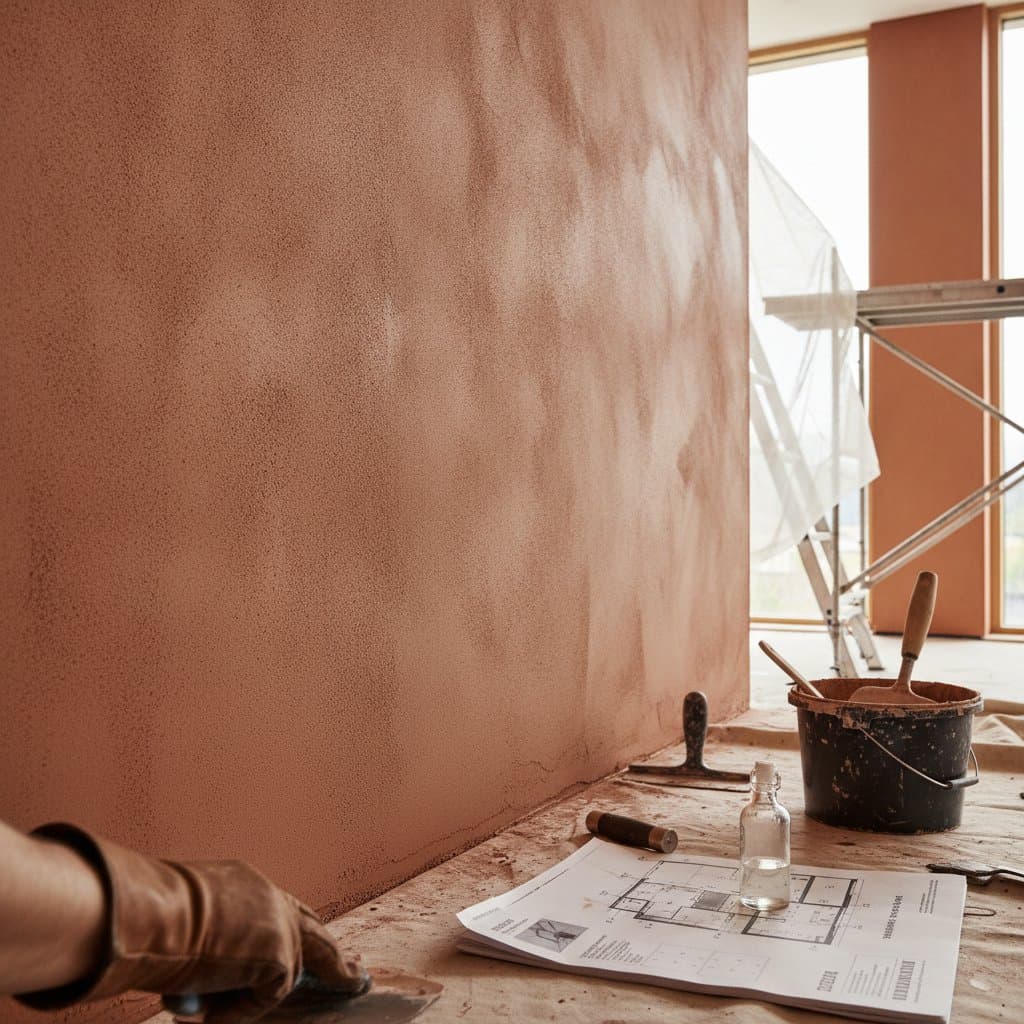
These options suit varying expertise and resources. Apply them through simple roller techniques or hire specialists for textured plaster applications to achieve refined results.
Integrating Terracotta Across Residential Spaces
Designers incorporate clay tones into walls, furnishings, fabrics, and fixtures. The following examples illustrate professional strategies for seamless integration throughout the home.
Living Rooms: Creating Inviting Focal Points
An accent wall in terracotta, contrasted with off-white trim, establishes a hospitable atmosphere. Pair it with a neutral sofa and cushions featuring clay and beige patterns. Greenery enhances vibrancy against this backdrop, so incorporate large potted plants for added life.
For temporary solutions in leased spaces, opt for peel-and-stick wallpaper or freestanding painted panels. These methods deliver warmth without permanent alterations or security deposit risks.
Kitchens: Blending Rustic and Contemporary Elements
Muted rust cabinetry coordinates with brass accents and marble countertops. Paint base cabinets in terracotta while maintaining white uppers for visual separation. Refresh existing setups by updating hardware and introducing clay-hued items, such as ceramic utensil holders or upholstered stools.
Select enamel or semi-gloss formulations for cabinet surfaces to ensure resistance to moisture and facilitate easy cleaning.
Bedrooms: Fostering Tranquil Retreats
Gentle clay pinks and softened oranges promote relaxation. Employ eggshell finishes to evoke a enveloping, intimate quality. Layer with linen sheets in neutral sands or creams, accented by a rust-toned velvet throw pillow for dimension.
For an elevated effect, apply a paler terracotta shade to the ceiling. This technique unifies the room and conveys deliberate curation.
Bathrooms: Adding Depth to Compact Areas
Bold applications suit smaller bathrooms effectively. A terracotta-finished vanity or tiled wall introduces refined character. Combine with matte black fixtures for contemporary edge or polished brass for subtle glow.
Choose humidity-resistant paints or apply sealants to clay tiles. Proper preparation preserves appearance and longevity in moist environments.
Exteriors: Enhancing Natural Harmony
Terracotta exteriors integrate with surrounding landscapes seamlessly. Stucco or brick painted in these tones develop patina over time. Balance with neutral trim and wooden details to reinforce organic ties.
Test color samples in outdoor conditions prior to commitment. Direct sunlight amplifies warmth, so select slightly cooler variants than indoor counterparts.
Capturing Terracotta Effectively in Visual Media
Terracotta excels in photography and video, providing inherent depth and inviting warmth. Optimal results depend on controlled lighting conditions.
Essential techniques for compelling visuals include:
- Employ diffused white lighting or ambient daylight to avoid tonal flattening from stark sources.
- Incorporate tactile elements, such as woven textiles or ceramic vessels, to emphasize richness.
- Limit overlapping warm shades within compositions; introduce cool neutrals or foliage for balance.
- Favor matte surfaces over high-gloss to reduce reflections and highlight subtle textures.
In social media or professional portfolios, emphasize layered arrangements. Terracotta aligns well with pale plaster, dark metals, and organic materials, yielding polished yet organic compositions.
Essential Strategies for Terracotta Implementation
- Achieve Equilibrium with Contrasts: Offset clay warmth using neutral or cooler elements to prevent overwhelming density.
- Evaluate Undertones Carefully: Red-dominant terracotta conveys energy, whereas brown-based versions promote serenity. Compare samples under varied lighting.
- Incorporate Diverse Textures: Pair flat walls with reflective ceramics or fibrous weaves to build dynamic interest.
- Preserve Surface Integrity: Clean with mild solutions and reapply sealants to plaster or tiles periodically for sustained vibrancy.
- Ensure Cohesive Transitions: Gradually vary shade intensity between adjacent areas to maintain palette unity.
Sustaining Terracotta's Enduring Appeal
Terracotta adapts gracefully to evolving surroundings. As it matures, the hue gains subtle depth in response to illumination and use. This resilience allows effortless updates, from seasonal fabric shifts to bold pairings like deep blues or greens.
Full immersion in clay walls or selective accents alike contribute to a design ethos rooted in sincerity and innovation. Terracotta bridges individuals with their environments, cultivating lasting connections through its inherent warmth.