Terracotta and Burnt Orange: 300 Percent Surge in 2026 Trends
Terracotta and burnt orange emerge as dominant forces in the design landscape for 2026, marked by a remarkable 300 percent increase in popularity. These warm, earthy tones offer depth, comfort, and versatility to interiors. Designers and homeowners alike appreciate how these colors counteract the sterility of minimalist aesthetics, infusing spaces with a sense of grounded vitality.
The Return of Warm Earth Tones
Following a prolonged emphasis on cool grays and crisp whites, there exists a strong desire for inviting warmth in design. Terracotta and burnt orange fulfill this need by evoking images of sun-warmed clay, vivid sunsets, and artisanal pottery. These hues foster emotional resonance, creating environments that feel dynamic and nurturing.
Their adaptability stands out as a key strength. Terracotta adapts seamlessly to rustic or sleek modern contexts through variations in finish and application. Burnt orange integrates into bohemian, mid-century modern, or avant-garde schemes, conveying optimism and genuine character in every setting.
Incorporating These Tones on Various Budgets
Achieving impactful design with terracotta and burnt orange requires no extravagant expenditure. Strategies exist to integrate these colors effectively across different financial levels, ensuring accessibility for all.
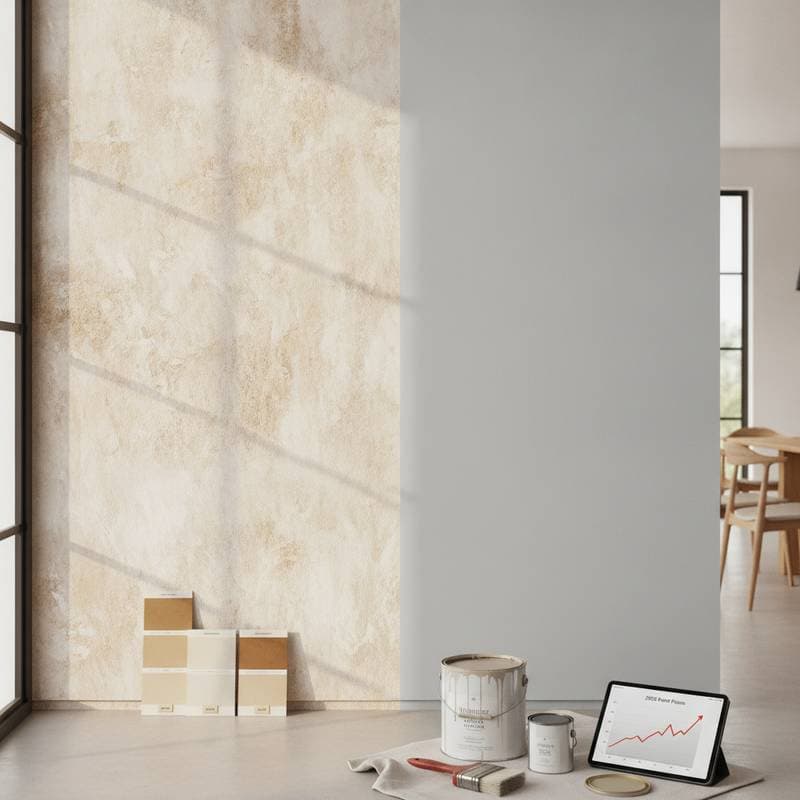
Budget-Conscious Approach: Focus on a single accent wall to introduce the trend. One gallon of quality paint covers approximately 350 to 400 square feet, providing substantial transformation. Opt for matte or eggshell finishes to achieve a subtle, enveloping effect, then layer in affordable elements such as secondhand ceramics, knitted textiles, or simple clay pots to amplify the ambiance.
Moderate Investment: Extend the color to multiple walls or ceiling accents for deeper immersion. Incorporate textured clay lighting fixtures, handwoven floor coverings, and wooden picture frames in complementary shades. Balance the warmth with accents in brass hardware or matte black fixtures, and consider updating existing pieces using pigmented wax or chalk-based paints matched to the palette.
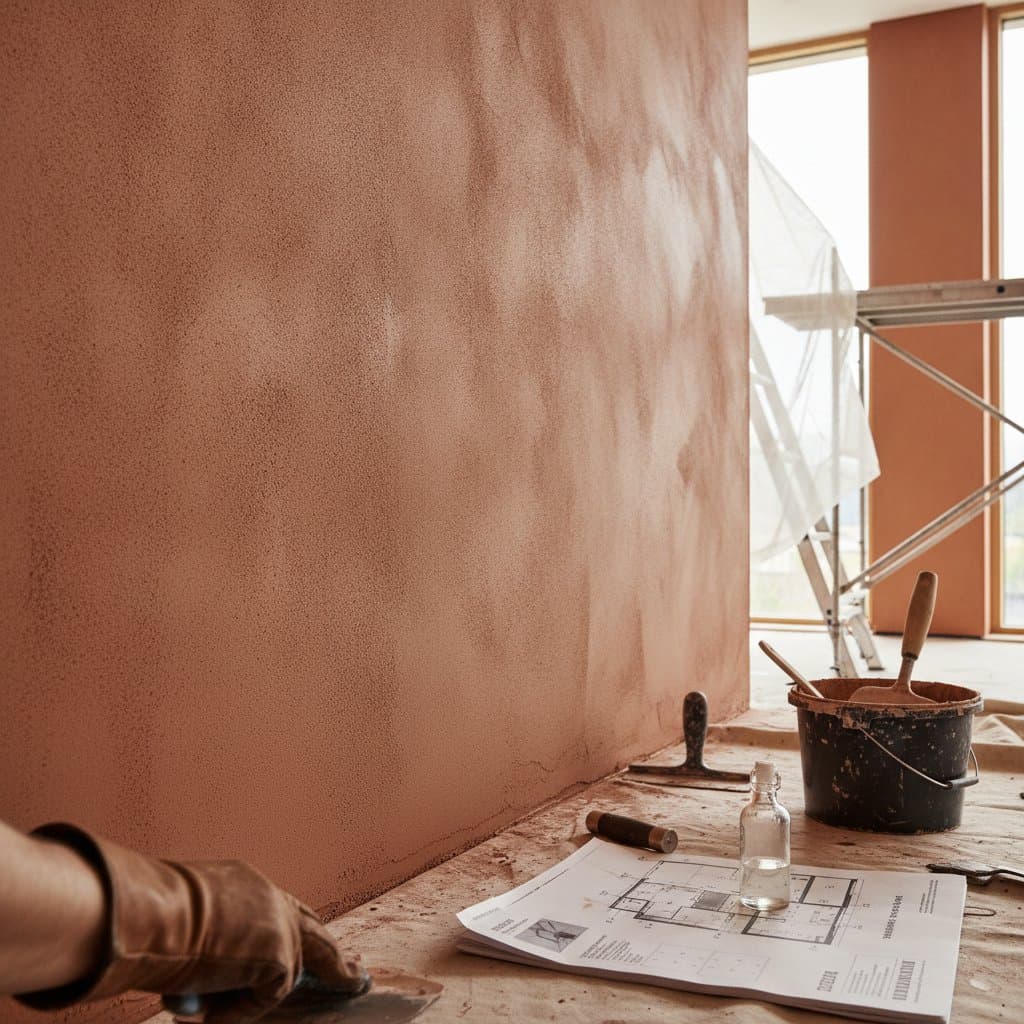
Premium Implementation: Invest in bespoke applications like limewashed plaster walls, custom-crafted tiles, or upholstery in burnt orange fabrics such as velvet or leather. Complement these with artisan-made fixtures and sculptural decor. Such choices not only enhance visual appeal but also develop patina over time, adding to the space's narrative depth.
Effective Color Pairings
Terracotta and burnt orange achieve maximum impact through strategic combinations. The following pairings enhance their inherent qualities while maintaining harmony.
- Neutral Foundations: Pair with cream, beige sands, or soft taupes to temper intensity and create a serene base.
- Contrasting Depth: Introduce cool tones like deep teal, lush forest green, or classic navy to generate visual intrigue and balance.
- Metallic Enhancements: Incorporate brass or copper elements to elevate sophistication and reflect light subtly.
- Natural Textures: Layer with linen fabrics, raw clay surfaces, and rattan weaves to reinforce the organic essence.
Renters benefit from temporary solutions such as adhesive-backed wallpapers or repositionable decals in these shades. Sample small sections in the intended space to assess compatibility before broader commitment.
Optimizing Lighting and Finishes
These colors interact dynamically with illumination, revealing nuances that add dimensionality. In controlled environments, they capture light and shadow effectively, transforming ordinary surfaces into focal points. At home, select bulb types that align with the desired mood: incandescent options amplify the reddish undertones, while natural daylight accentuates clay-like and rusty variations.
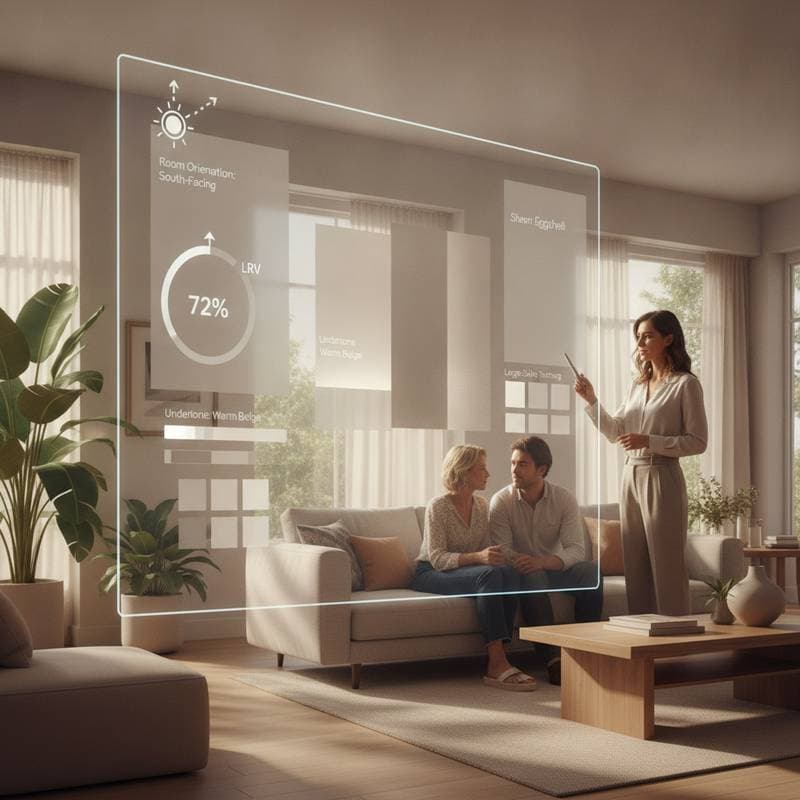
Test paint samples under diverse conditions, including morning sunlight, afternoon glow, and evening artificial light, to predict true appearance. Matte or flat finishes promote a tactile, earthy quality ideal for relaxed settings. Satin sheens introduce subtle luster for refined spaces, whereas glossy options suit bold, contemporary statements. Select based on the room's function and desired reflectivity.
Applications Beyond Walls
The versatility of terracotta and burnt orange extends to cabinetry, upholstery, and consumer products. In product development, finishes inspired by terracotta convey sustainability and approachability. Burnt orange appears in packaging that stands out on retail displays, offering vibrancy without overwhelming aggression.
Furniture designers favor powder-coated metals in these tones for their resilience and artisanal aesthetic. When selecting materials, prioritize eco-conscious options like mineral paints with natural pigments. These provide opaque coverage, reduced volatile emissions, and straightforward application, supporting both environmental goals and practical use.
Ensuring Durability and Care
Bold colors like terracotta and burnt orange maintain their allure with proper maintenance. Employ mild, pH-neutral cleaners to clean surfaces without compromising the finish. Store matching touch-up paint for prompt repairs in areas prone to scuffs or marks.
These shades conceal minor imperfections more effectively than lighter neutrals, yet regular attention preserves vibrancy. For exterior applications, apply sealants resistant to ultraviolet exposure to mitigate color shift from sun and weather. Periodic inspections allow for timely interventions, extending the lifespan of the design.
Embracing These Colors in Daily Spaces
Integrating terracotta and burnt orange transforms living environments into welcoming sanctuaries. The tones infuse vitality and hospitality, adapting effortlessly to evolving personal styles. Introduce potted plants for verdant contrast, varied fabrics for tactile interest, and diffused lighting to enhance the warm glow.
Over time, these colors harmonize with additional decor layers, supporting transitions in taste or circumstance. Suitable for compact studios or expansive residences, they deliver enduring freshness alongside classic appeal. Experiment with these hues to discover how they elevate both aesthetics and emotional well-being in your surroundings.