The Rise of Terracotta Accent Walls in 2026
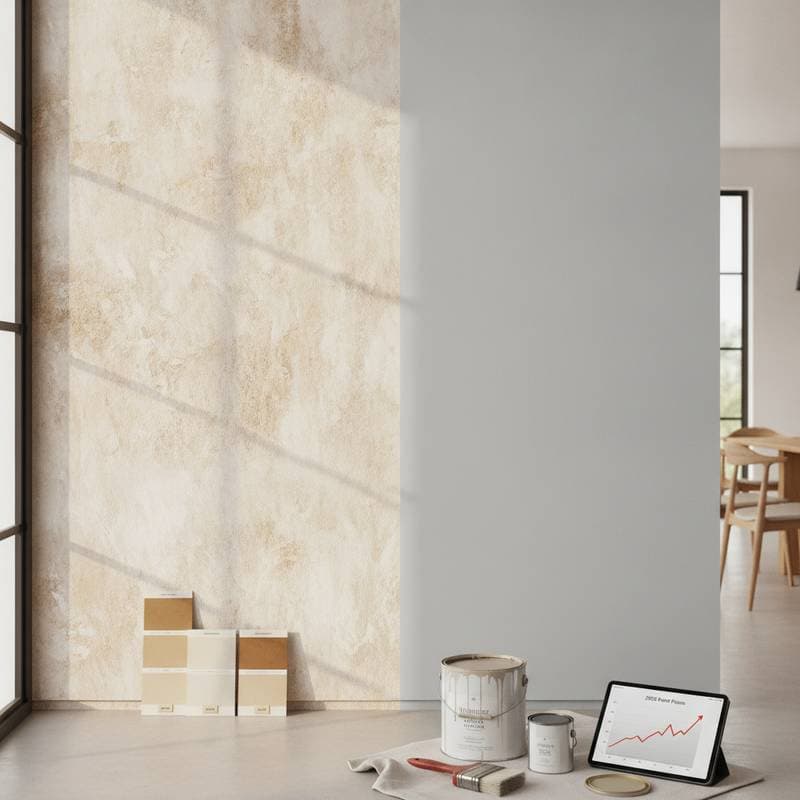
Terracotta emerges as a dominant force in interior design for 2026, bringing warmth and vitality to living spaces. This earthy tone transitions from traditional pottery and sunlit patios into modern homes, offices, and cafes. Beige, once a staple neutral, yields to terracotta's authentic depth and character.
Transitioning from Neutral to Expressive Interiors
Neutral palettes have long relied on beige and gray for their reliability and subtlety. However, these choices often lack the emotional resonance that spaces require. Terracotta provides natural energy, offering depth without overwhelming darkness and personality without disorder.
The appeal of terracotta stems from its earthly origins, evoking a sense of humanity and craftsmanship. It seamlessly connects historical techniques with contemporary aesthetics. Applied as plaster, paint, or fabric, terracotta infuses rooms with an immediate sense of care and permanence.
Advantages of Terracotta Across Design Contexts
Terracotta transcends mere coloration; it embodies a deliberate approach to warmth and detail. This hue adapts to diverse styles, including bohemian lofts, modern farmhouses, urban condos, and quaint bungalows. Its versatility ensures broad applicability.
Key benefits include:
- Depth and Warmth: Terracotta introduces subtle dimensional shifts that evolve with daylight, surpassing the flatness of beige.
- Versatile Pairings: It harmonizes with whites, charcoals, greens, blues, and soft pinks, creating cohesive and refined ensembles.
- Organic Roots: Inspired by clay, sand, brick, and sunsets, terracotta fosters a lived-in, approachable atmosphere.
- Visual Impact: In photographs or videos, terracotta appears inviting and layered, performing well under varied lighting conditions—a favorite among professionals.
Creating a Tailored Terracotta Accent Wall
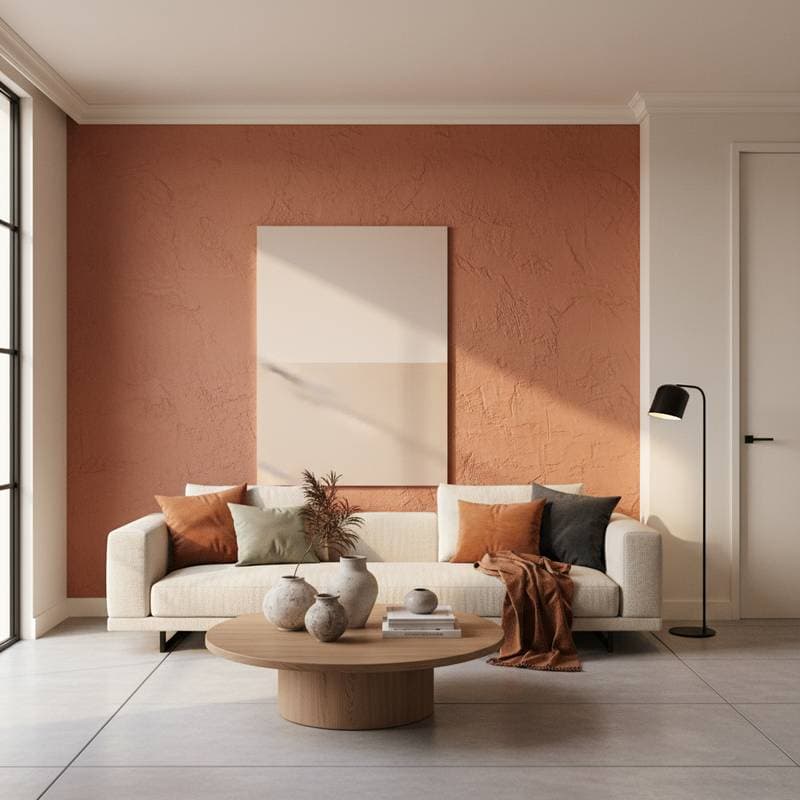
An accent wall in terracotta serves as a focal point, elevating neutral surroundings into captivating environments. Balance remains essential; the wall should draw focus while integrating with the overall scheme.
Select the wall strategically. In living areas, choose the one facing primary seating. For bedrooms, opt for the space behind the headboard. In dining rooms or offices, target the entry-view wall, capitalizing on terracotta's inherent eye-catching quality.
Consider these finish options:
- Matte: Ideal for rustic or minimalist settings, it diffuses light for a subdued, anchored presence.
- Eggshell or Satin: Suited to high-traffic areas, these provide washability and a gentle sheen that enhances vibrancy without reflection.
- Textured Plaster or Lime Wash: These options introduce dynamic surfaces, replicating artisanal walls with inherent movement and authenticity.
Implementing Terracotta on Varied Budgets
Effective design accommodates different financial levels. Terracotta accommodates all through scalable approaches.
Low-Budget Approach:
Select a premium DIY paint in terracotta shades. Many brands supply sample sizes for testing. Mix custom tones from existing warm neutrals with orange-red pigments. Use a roller for uniformity or a brush for intentional texture.
Mid-Budget Approach:
Incorporate mineral- or clay-based paints for a matte, luxurious texture. Complement the wall with secondhand wooden pieces, neutral fabrics, and foliage to achieve a polished, economical aesthetic.
High-Budget Approach:
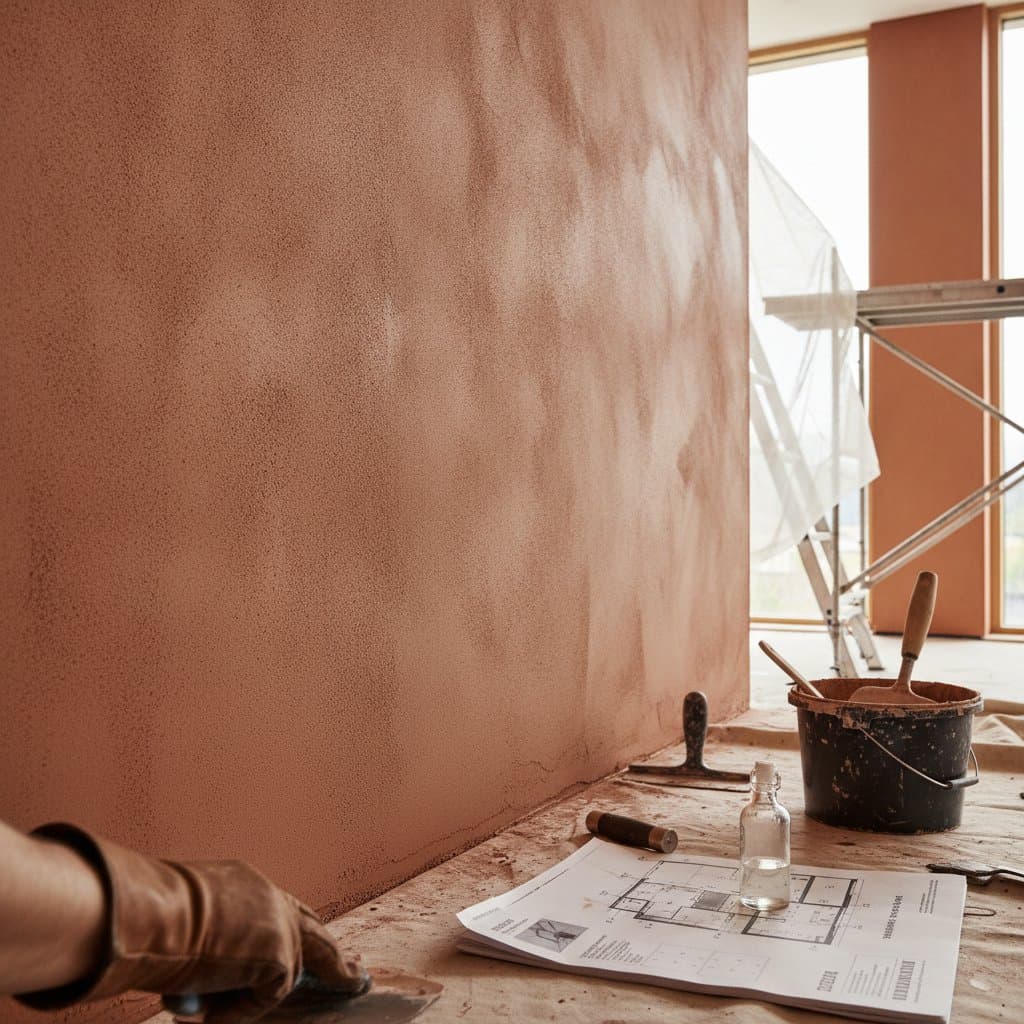
Engage professionals for plaster installations or bespoke pigment formulations. Experts can apply graduated tones for an aged, sophisticated effect akin to luxury accommodations. Integrate bespoke woodworking or metallic hardware for elevated refinement.
Complementary Elements for Terracotta
Terracotta thrives alongside organic materials and thoughtful color accents. Proven combinations include:
- Wood: Varieties like oak, walnut, or bamboo amplify coziness through layered warmth.
- Metals: Brass, wrought iron, or nickel finishes provide structured contrast.
- Stone: Materials such as marble, soapstone, or concrete enhance terracotta's subtle radiance.
- Fabrics: Linen, wool, or looped yarns introduce softness and tactile interest.
- Plants: Foliage gains vibrancy against terracotta, appearing more lush and prominent.
Optimizing Lighting for Terracotta Effects
Lighting profoundly influences terracotta's appearance. Warm illumination accentuates its inviting qualities, while cooler tones lend a contemporary edge. Layer sources—ceiling fixtures, wall-mounted lights, and table lamps—for dynamic interplay.
Observe the wall's transformation from dawn to dusk. To assess, step back and narrow your gaze; a soft glow indicates success. If the surface appears dull, introduce additional illumination or warmer bulbs for immediate improvement.
Incorporating Texture Around Terracotta
Texture elevates terracotta walls, creating visual and tactile depth. Nearby elements like braided containers, pottery fixtures, or unfinished wood pieces reinforce the wall's presence.
These additions integrate the wall into the room's structure, avoiding a mere painted appearance. For cautious starts, apply texture to a partial wall section, allowing observation and future expansion based on lighting interactions.
Ensuring Durability and Upkeep
Terracotta withstands daily wear effectively, concealing light marks and maintaining freshness longer than lighter shades. In demanding areas, apply a clear matte sealant or washable overlay.
For repairs, dampen a sponge to blend patches seamlessly, preserving uniformity. Professionals demonstrate this method quickly, enabling confident maintenance for future projects.
Applying Terracotta Room by Room
Living Rooms: Combine with pale whites and fiber rugs; incorporate matte black details for contemporary equilibrium.
Bedrooms: Position behind the bed for soothing ambiance, enhanced by neutral linens and timber side tables.
Kitchens: Align with exposed shelves, botanicals, and golden fixtures; it complements stone surfaces elegantly.
Bathrooms: Employ moisture-resistant formulations for a serene escape, accented by metallic plumbing and crisp linens.
Home Offices: This hue stimulates focus without distraction; pair with subdued tones for mental clarity.
Business Applications of Terracotta
For designers and developers, terracotta inspires innovative uses in packaging, fabrics, and surface treatments. As a brand accent, it conveys reliability and artisanal quality.
These finishes endure stylistic evolutions, representing a prudent choice for residential and commercial investments.
Steering Clear of Terracotta Pitfalls
- Undertone Selection: Terracotta variants range from pinkish to reddish-brown; sample generously on-site, as illumination alters perception.
- Lighting Considerations: In dim spaces, select lighter versions with added white; in luminous areas, deeper shades build intensity.
- Color Balance: Limit to one accent wall to prevent heaviness; counter with ample light elements.
- Surface Preparation: Thoroughly clean, prime, and smooth the base for optimal texture revelation.
Embracing Terracotta's Evolving Presence
After installation, monitor the wall through daily light cycles to appreciate its nuances. This adaptability allows seamless integration with evolving decor, from new furnishings to artwork rotations.
Terracotta nurtures spaces, fostering warmth and connection. Transition to this hue for interiors that resonate with purpose and comfort.