Skip Trowel Walls Gain New Life With Gen Z Design
Why Skip Trowel Textures Appeal to Gen Z Homeowners
Skip trowel textures attract younger homeowners who seek tactile surfaces and visual depth. This plastering method, long linked to Mediterranean and Southwestern homes, now pairs with minimalist and bohemian styles through updated applications. Gen Z values personal expression, sustainability, and craftsmanship, which this finish supports directly.
The Essence of Skip Trowel Texture
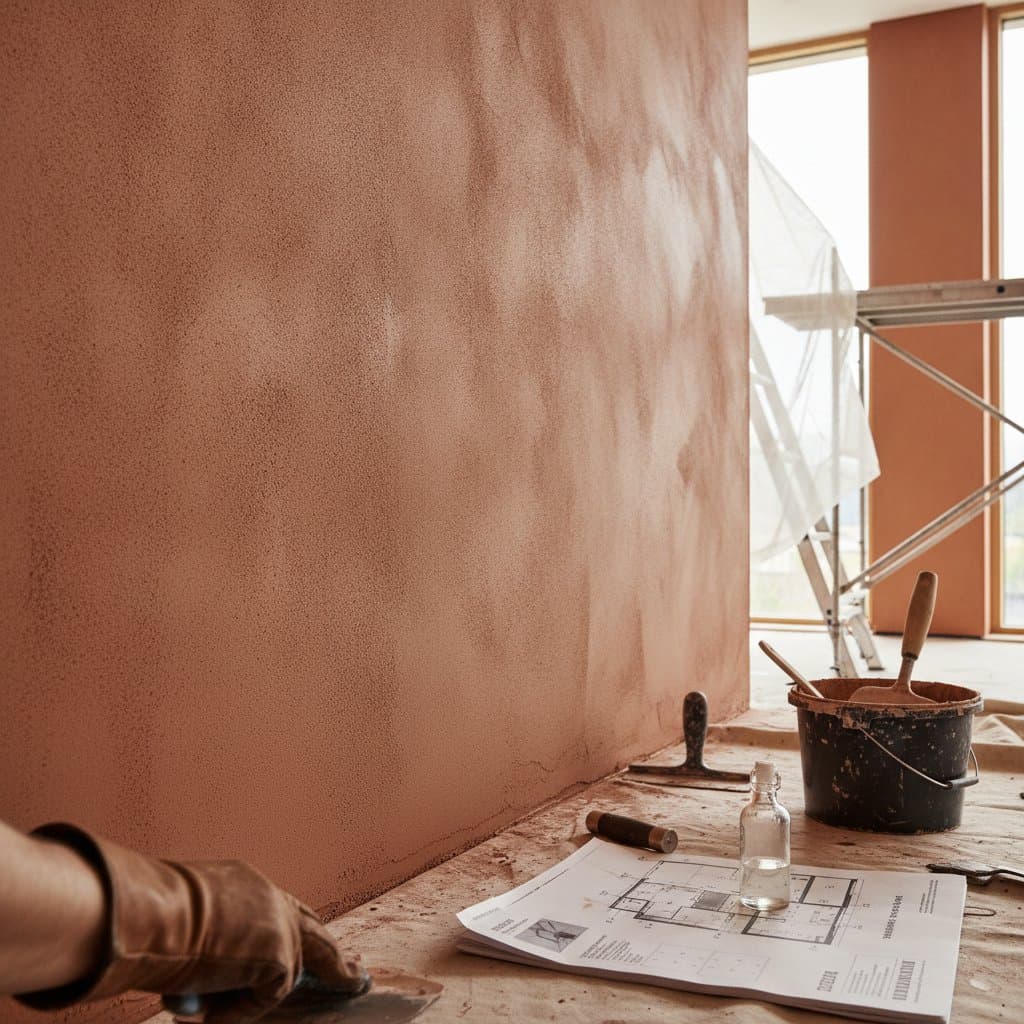
Skip trowel involves spreading joint compound or plaster across a surface then skipping the trowel to create irregular patterns. The outcome produces a soft, organic texture that introduces interest without dominating the space. Subtle depth variations interact with light to generate movement and shadow, unlike heavier stucco options.
This approach suits preferences for authentic, tactile walls over flat painted surfaces. Each application yields slight differences that emphasize uniqueness rather than uniformity.
Cost Ranges for Skip Trowel Texture
Project costs vary with room size, wall condition, and desired finish. Expect these typical ranges:
- Small room up to 200 square feet: 250 to 450 dollars
- Medium room 200 to 400 square feet: 450 to 800 dollars
- Large room over 400 square feet: 800 to 1500 dollars
Average pricing falls between 1.50 and 3.50 dollars per square foot. This breaks down to materials at 0.40 to 1.00 dollar, labor at 1.00 to 2.00 dollars, surface preparation at 0.10 to 0.50 dollar, and finishing at 0.20 to 0.50 dollar.
Factors That Influence Final Pricing
Surface condition affects preparation time. Clean drywall needs little work, while cracked or uneven walls increase labor. Finish complexity also matters. Light textures require less material than heavy layered designs, which can add 0.50 to 1.00 dollar per square foot.
Material quality plays a role. Premium or low-VOC compounds raise costs yet improve durability. Room access and regional labor rates further adjust totals, with urban areas often higher than suburban zones.
Cost Comparison by Texture Depth
| Finish Type | Basic Range | Standard Range | Premium Range | Key Differences |
|---|---|---|---|---|
| Light Skip | 1.50 to 2.00 | 2.00 to 2.50 | 2.50 to 3.00 | Subtle texture with minimal depth |
| Medium Skip | 2.00 to 2.75 | 2.75 to 3.25 | 3.25 to 3.75 | Balanced texture suited to modern homes |
| Heavy Skip | 2.50 to 3.50 | 3.50 to 4.00 | 4.00 to 5.00 | Deep texture that emphasizes shadow |
Why Gen Z Chooses This Finish
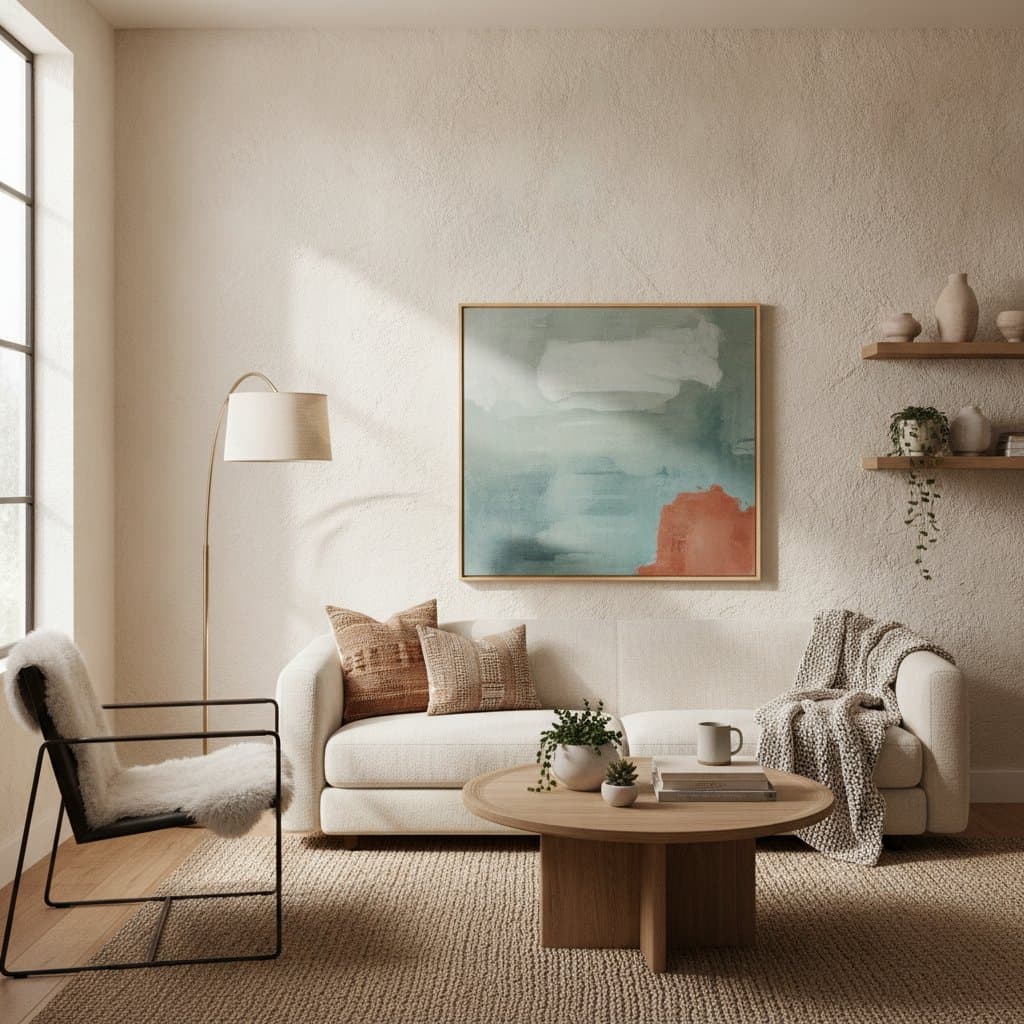
Gen Z homeowners prioritize individuality and reduced environmental impact. Skip trowel delivers handcrafted character that avoids mass-produced appearances. Natural or low-VOC compounds align with sustainability goals while complementing both minimalist white rooms and earthy bohemian spaces.
The texture photographs well under natural light, supporting content creation needs. It adds dimension that flat walls lack, creating calm yet engaging interiors.
Long-Term Value and Return
Textured walls raise perceived home quality for potential buyers. The finish conceals minor imperfections and reduces repaint frequency. Proper maintenance allows the surface to last decades, delivering strong return without full renovations.
Strategies to Control Expenses
Prepare surfaces in advance by cleaning and patching to lower labor charges. Select standard joint compound for balanced results. Bundle the project with painting to minimize setup costs. Schedule work during slower contractor periods for improved rates.
Planning and Execution Steps
Add 10 to 15 percent to the budget for unexpected prep needs. Request itemized quotes that separate materials, labor, and preparation. Test the technique on sample boards if attempting any portion yourself.
Common Questions About Skip Trowel Projects
What does a typical installation cost?
Most projects run 1.50 to 3.50 dollars per square foot. A medium room usually totals 600 to 800 dollars including materials and labor.
When do prices tend to be lowest?
Cooler months or periods with fewer exterior jobs often bring better availability and rates.
How long does the finish typically last?
With routine care, skip trowel surfaces remain intact for decades before requiring attention.
Moving Forward With Your Project
Assess your walls, gather quotes from local contractors, and select a texture depth that matches your style. This approach delivers lasting character at a manageable investment.