Skim Coating: The $800 Fix for Popcorn Ceilings
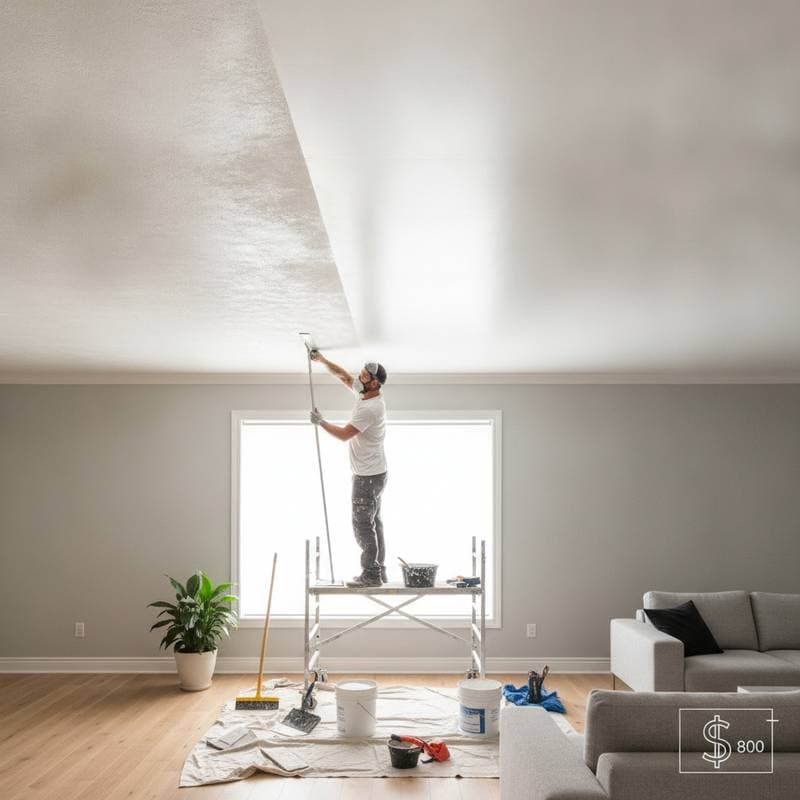
Homeowners often seek smooth, modern ceilings that brighten rooms and increase visual height. Skim coating achieves this result without full ceiling removal. With careful planning, the project costs around 800 dollars. This guide explains the process, its advantages, and methods to reach a professional outcome.
Definition of Skim Coating
Skim coating applies a thin layer of joint compound over an existing surface. The technique creates an even finish similar to adding a new skin to the ceiling. It works well on popcorn textures after sealing or light scraping of loose material. The outcome is a stable base ready for paint.
Process for Skim Coating
Preparation Steps
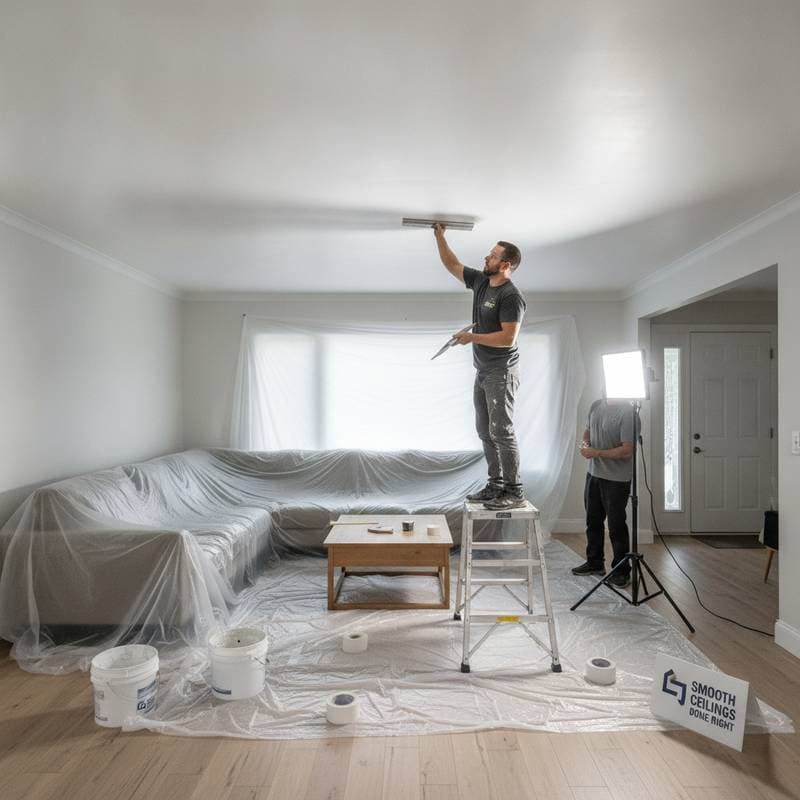
Protect all surfaces with plastic sheeting and tape. Remove light fixtures where possible. These measures limit dust spread throughout the room.
Surface Stabilization
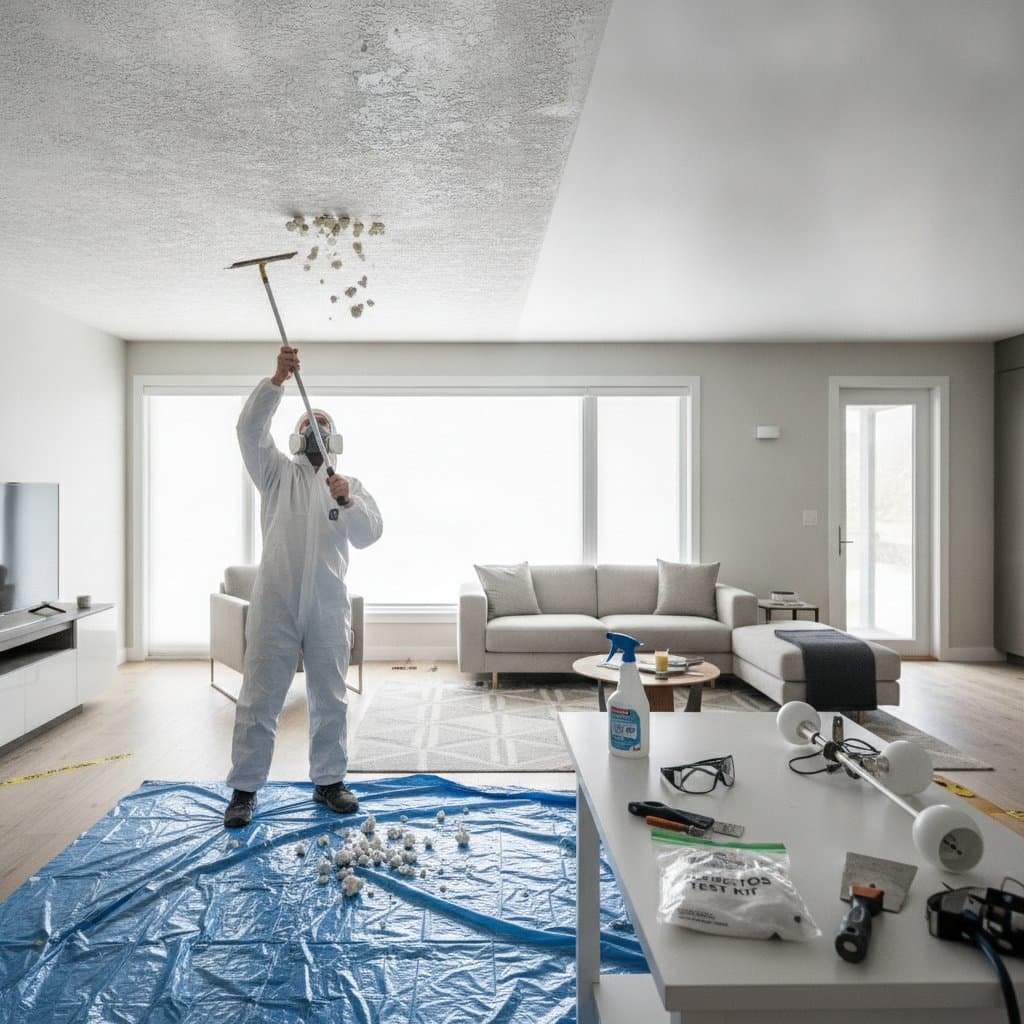
Scrape loose popcorn texture with a wide drywall knife if flaking occurs. Apply PVA primer or an oil based sealer next. The sealer prevents the compound from loosening the original material.
First Coat Application
Load joint compound onto a 12 inch or wider knife. Spread it in long strokes while pressing firmly into low areas. Work in small sections and accept minor tool marks at this stage.
Sanding and Additional Coats
Sand lightly after the first coat dries. Apply a second coat and feather edges for smoothness. A third coat may be necessary on some surfaces. Allow full drying between each step.
Final Finishing
Vacuum dust and wipe the surface with a damp cloth after the last sanding. Prime with drywall primer and apply flat ceiling paint. Flat paint conceals small imperfections effectively.
Comparison to Scraping Methods
Scraping risks gouging drywall and leaves uneven results. Skim coating builds a consistent new layer instead. The approach proves less invasive and lasts for decades when executed properly. Professionals favor it for reliable, even surfaces that perform well under varied lighting.
Budget Based Approaches
Low Cost DIY Path
- Suitable for small rooms or rental properties.
- Use pre mixed joint compound applied by hand.
- Sand lightly and finish with flat paint.
Assisted Mid Range Path
- Hire help for the initial coat and complete the rest personally.
- This balances cost control with improved consistency.
Full Professional Service
- Engage contractors for premium materials and complete execution.
- Best for larger spaces requiring maximum durability.
Progress Evaluation Techniques
Use side lighting from a work lamp to reveal surface irregularities through shadows. Check texture by hand for evenness. Apply a test primer coat to spot remaining flaws before final painting.
Errors to Prevent
- Apply sealer before compound to avoid softening the popcorn layer.
- Build thin coats rather than thick ones to prevent cracking.
- Sand with light pressure and fine grit to protect the new surface.
- Choose flat paint to minimize visibility of minor defects.
- Clean thoroughly between stages to maintain a clean final finish.
Long Term Care
The finished ceiling resists cracks better due to full surface bonding. Clean with a dry microfiber tool or vacuum brush. Repair small issues with additional compound, light sanding, and touch up paint.
Value of the Investment
A smooth ceiling improves light reflection and sharpens overall room appearance. It enhances perceived space and supports higher resale interest. Contractors and property managers recognize the efficiency of this method for updates.
Practical Recommendations
Test a small area first to confirm texture stability. Consider new lighting upgrades during the project. Mix compound to a smooth, spreadable consistency. Keep tools free of dried residue. Select a dedicated drywall primer for best paint adhesion.
Daily Benefits After Completion
Rooms gain a taller and fresher quality. Light distributes evenly across surfaces. The updated ceiling integrates better with surrounding decor and provides lasting satisfaction.