Santa Fe Texture: A Resurgent Choice for Wall Finishes
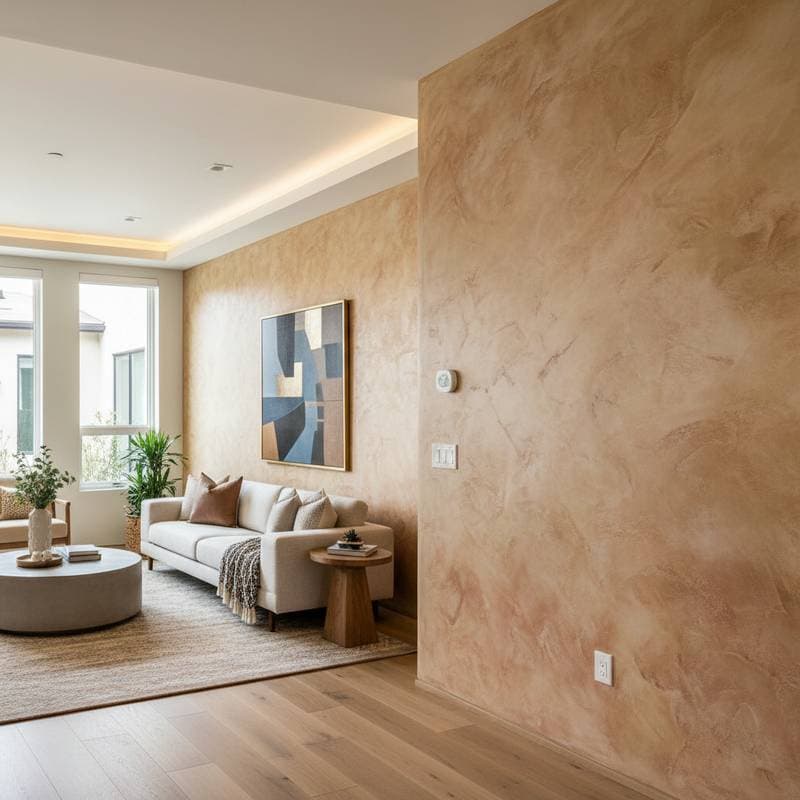
Santa Fe texture emerges as a leading option for wall finishes in contemporary homes. This technique, rooted in Southwestern aesthetics, now integrates seamlessly into modern designs. Its gentle undulations and artisanal feel deliver a sense of warmth and dimension that smooth surfaces lack. Homeowners appreciate how it elevates entire spaces or serves as a focal point, merging heritage with current trends.
Understanding Santa Fe Texture Costs
Application costs for Santa Fe texture generally fall between $1.50 and $3.50 per square foot. This range accounts for project scale, existing wall conditions, and desired finish quality. Standard installations, which encompass preparation and painting, average $2.50 per square foot.
Costs by Room Size
- Small room (up to 150 square feet): $225 to $525
- Medium room (150 to 300 square feet): $375 to $900
- Large room (over 300 square feet): $900 to $1,800
Breakdown of Costs per Square Foot
Expenses typically divide as follows:
- Materials: $0.50 to $1.00
- Labor: $1.00 to $2.00
- Preparation: $0.25 to $0.50
- Finishing and paint: $0.50 to $1.00
These estimates apply to well-maintained drywall. Repairs, additional primers, or custom finishes will elevate the total.
Key Influences on Santa Fe Texture Expenses
Multiple elements determine the final price of a Santa Fe texture project. Awareness of these allows for accurate budgeting and fewer unexpected charges.
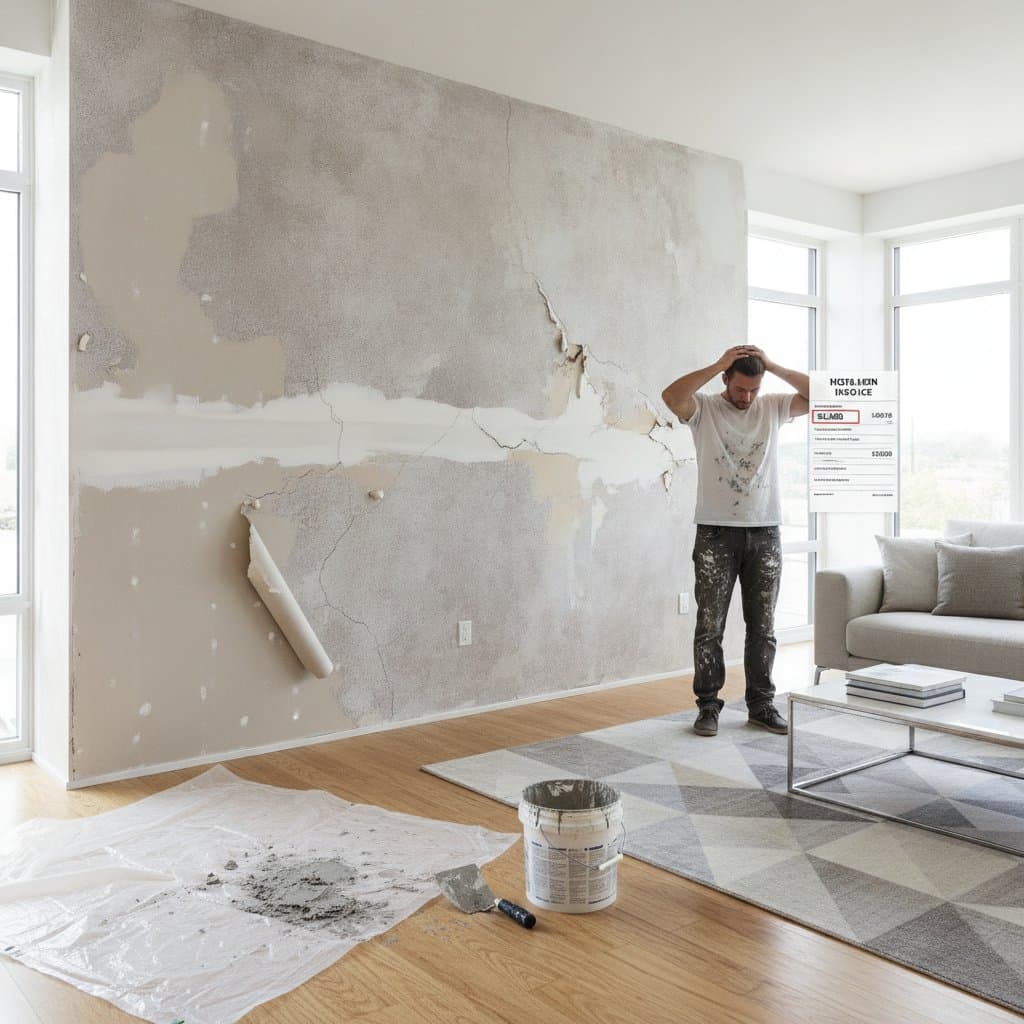
Wall surfaces with damage, such as cracks or dents, demand patching and smoothing prior to texturing. Such work might add $100 to $300 per room based on the extent of issues.
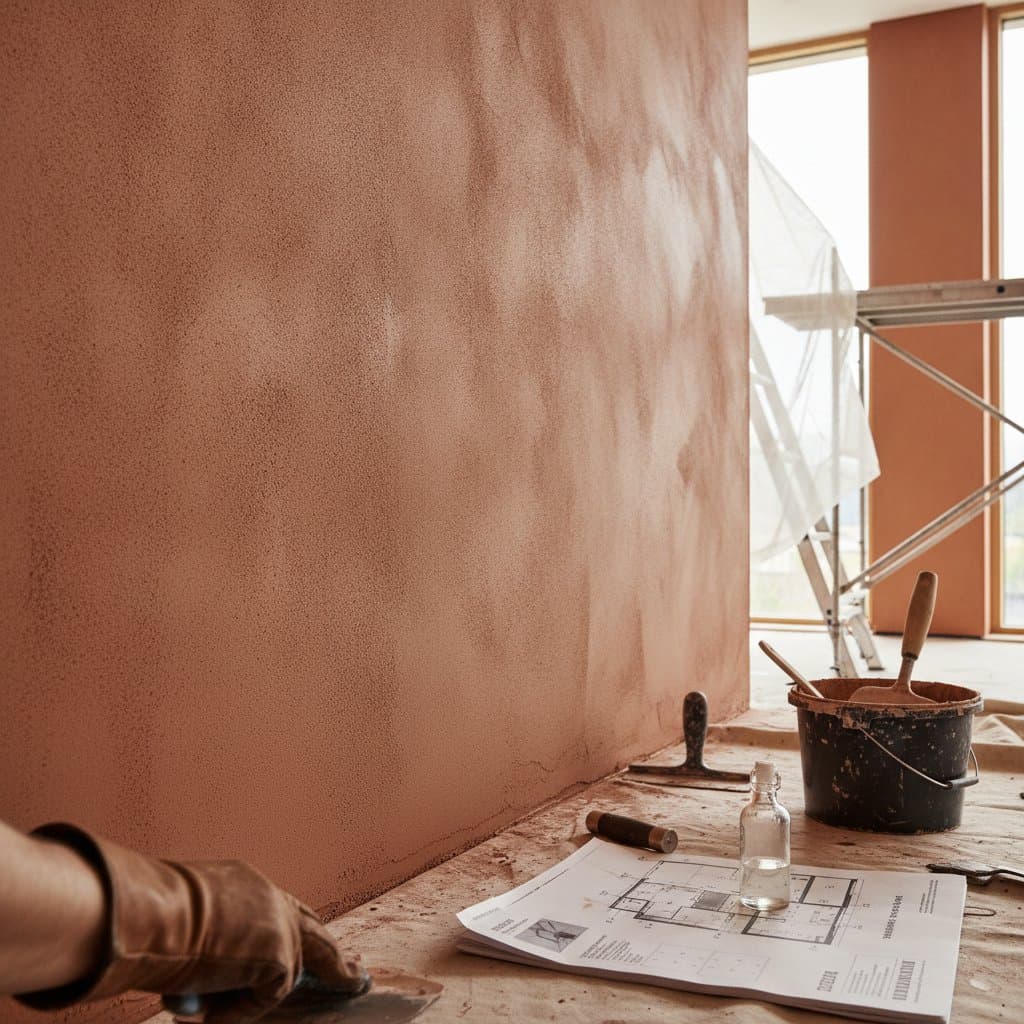
Contractors may employ hand troweling for an authentic appearance or spraying with subsequent blending. The former demands greater expertise and time, thereby increasing labor fees.
Opting for superior joint compounds or specialized mixes ensures longevity and uniformity, though at a higher material cost.
Selecting flat or eggshell paints accentuates the texture's nuances. High-end options add $0.50 to $1.00 per square foot yet minimize upkeep over time.
Locations with scarce skilled labor or elevated demand see labor rates climb by 10 to 20 percent. Always incorporate local market rates into estimates.
Cost Variations by Texture Intensity
| Finish Type | Basic Range | Standard Range | Premium Range | Key Characteristics |
|---|---|---|---|---|
| Light Santa Fe | $1.50–$2.25 | $2.50–$3.00 | $3.25–$3.75 | Faint trowel impressions, shallow relief, suits sleek environments |
| Medium Santa Fe | $1.75–$2.75 | $2.75–$3.25 | $3.50–$4.00 | Moderate depth with noticeable patterns, versatile for diverse decors |
| Heavy Santa Fe | $2.00–$3.00 | $3.00–$3.75 | $4.00–$4.50 | Bold contours and motion, enhances earthy or classic settings |
Advanced options often feature tinted glazes or layered coatings to emphasize contours, boosting both appeal and expense.
The Appeal Driving Santa Fe Texture's Revival
Smooth walls have long prevailed in interior design, yet many seek textures that convey personality. Santa Fe texture unites artisanal tradition with streamlined aesthetics. It tempers harsh lighting, conceals slight imperfections, and harmonizes with elements like timber, rock, and terracotta. The inherent touch invites interaction, fostering coziness absent in polished alternatives.
Professionals value its adaptability. Subtle versions enhance clean lines in sparse rooms, whereas robust applications suit vibrant or heritage-inspired themes. Compatibility with neutral or vibrant hues positions it as a practical choice across residences.
Benefits and Long-Term Value
Santa Fe texture extends beyond aesthetics to deliver tangible advantages. It elevates a home's market worth by showcasing refined detailing. The finish masks everyday wear, cutting down on repairs and repaints. Expert installation promises durability spanning years or even decades.
For those eyeing future sales, this treatment distinguishes listings in areas prizing authentic style. Moderation proves essential; understated patterns appeal more broadly than elaborate ones.
Practical Ways to Control Costs
Achieve Santa Fe texture affordably through targeted approaches.
Address wall prep yourself by sealing holes, dusting surfaces, and stripping outdated coverings. This reduces professional hours.
Select mid-level textures paired with straightforward colors for compelling outcomes minus luxury pricing.
Time projects for quieter periods when specialists discount services.
Pair texturing with broader renovations like full repaints to consolidate labor savings.
Solicit itemized bids delineating supplies from workmanship for straightforward evaluations.
Building an Effective Budget
Start budgeting by calculating wall area, then apply the rate for your chosen standard. Include a 10 to 15 percent buffer for unforeseen needs like extra supplies or fixes. Secure formal quotes outlining prep steps, texture method, and coating layers to align expectations and bids.
DIY enthusiasts must account for equipment leases, purchases, and trial runs. While feasible for seasoned individuals, uniform results hinge on steady hands and practice. Hiring experts often yields swifter, superior execution.
Steps to Launch Your Santa Fe Texture Installation
Select texture thickness and gloss level first. Gather reference photos to convey preferences clearly to your team. Apply test patches in inconspicuous spots to assess appearance in ambient light.
Book sessions weeks ahead to lock in dates. Ensure good airflow, manage dust, and allow ample curing periods. Most rooms finish in two to three days, covering all phases.
Post-installation, preserve the surface with light wiping using a damp cloth and gentle soap. Steer clear of harsh methods that erode the relief.
Common Questions on Santa Fe Texture
Average Cost for Application?
Expect $1.50 to $3.50 per square foot, averaging $2.50 for full professional service with supplies and coatings. Variations stem from surface state, style, and area-specific wages.
Primary Cost Drivers?
Preparation requirements, technique, supply grades, and detailing complexity dominate influences. Manual troweling and upscale coatings demand more time and resources.
Optimal Timing for Cost Savings?
Target off-peak seasons for contractors to secure reduced fees. Sidestep high-demand periods that inflate prices and extend wait times.