Sanding vs. Deglosser: Optimal Preparation for 2025 Painting Projects
Proper surface preparation forms the cornerstone of any enduring paint application. When updating kitchen cabinets, interior doors, or trim work, the preparation technique directly impacts paint adhesion and the smoothness of the finished appearance. Homeowners frequently encounter the choice between traditional sanding and liquid deglosser application. Each option presents distinct expenses, advantages, and suitable uses. Grasping these distinctions empowers you to select the most effective strategy aligned with your project demands and financial plan.
Cost Breakdown
Expenses for surface preparation fluctuate according to the chosen technique and the project's scale. For a standard room or set of cabinets, anticipate these typical ranges:
- Sanding: $1.50 to $3.50 per square foot, encompassing labor and supplies
- Deglosser: $1.00 to $2.50 per square foot, influenced by product grade and surface state
These figures cover essential preparation activities. Costs may rise for tasks involving intensive cleaning, repairs, or additional deglosser layers.
Typical Cost Estimates by Project Category
| Project Category | Sanding Estimate | Deglosser Estimate | Overall Average Cost |
|---|---|---|---|
| Interior walls | $200 - $450 | $150 - $350 | $250 - $400 |
| Kitchen cabinets | $400 - $900 | $300 - $700 | $450 - $800 |
| Trim and doors | $150 - $350 | $100 - $250 | $200 - $300 |
Sanding tends to incur higher expenses due to the need for manual effort, dust management, and thorough post-work cleanup. Deglosser solutions shorten labor duration yet necessitate protective equipment and adequate airflow.
Elements Influencing Preparation Expenses
Surface state: Highly glossy or multi-layered painted areas demand extensive work. Sanding might involve several rounds with varying grit sizes, from coarse 80-grit for initial removal to fine 220-grit for smoothing. Deglossers could require two or three applications on stubborn finishes.
Material composition: Responses differ across wood, laminate, and metal substrates. Wood benefits from sanding to eliminate natural imperfections and grain raise, whereas laminate counters or glossy metal trim often respond more efficiently to deglosser without risking surface damage.
Accessibility and intricacy: Projects like cabinetry, doors, and ornate trim demand greater time investment. Narrow spaces and detailed profiles prolong sanding efforts and may make liquid deglossers preferable for even coverage.
Professional service versus self-directed work: Engaging experts guarantees uniform outcomes at a premium price. Those undertaking do-it-yourself efforts can eliminate labor fees but must budget for tools like orbital sanders or sanding blocks, respirators, gloves, and additional hours spent on the task.
Sanding and Deglosser: A Detailed Comparison
| Aspect | Sanding | Deglosser | Primary Distinctions |
|---|---|---|---|
| Labor demand | Elevated | Reduced | Sanding involves sustained physical application, whereas deglosser uses simple wiping motions with a cloth or abrasive pad |
| Dust and residue management | Considerable | Limited | Sanding generates fine particles requiring vacuuming and tack cloths; deglosser results in mild chemical evaporation with wipe-down cleanup |
| Resulting surface quality | Superior smoothness | Adequate for sheen reduction | Sanding removes high spots and levels textures; deglosser merely etches the gloss layer for better adhesion without altering contours |
| Processing time | Instant post-cleanup | 10-30 minutes per coat | Sanding allows immediate painting after debris removal; deglosser demands ventilation and drying before proceeding |
| Expertise needed | Intermediate to advanced | Beginner-friendly | Sanding requires consistent pressure to avoid gouges or uneven spots; deglosser follows straightforward product instructions |
Assessing Value and Durability Factors
Sanding establishes the strongest foundation for paint bonding, particularly on bare or irregular wood where it addresses scratches, dents, and raised fibers. This method enhances the visual appeal by creating a flawless canvas. Deglossers excel on enameled or varnished surfaces where dulling the existing shine suffices for new paint grip, avoiding the removal of underlying layers.
For expansive areas or well-maintained substrates, deglossers deliver quicker turnaround and lower overall investment. Committing to thorough preparation extends the paint's service life, minimizing issues like bubbling, cracking, or premature wear. Such diligence also elevates aesthetic standards, which can boost property appeal in sales or upgrades.
Practical Approaches to Reduce Expenses
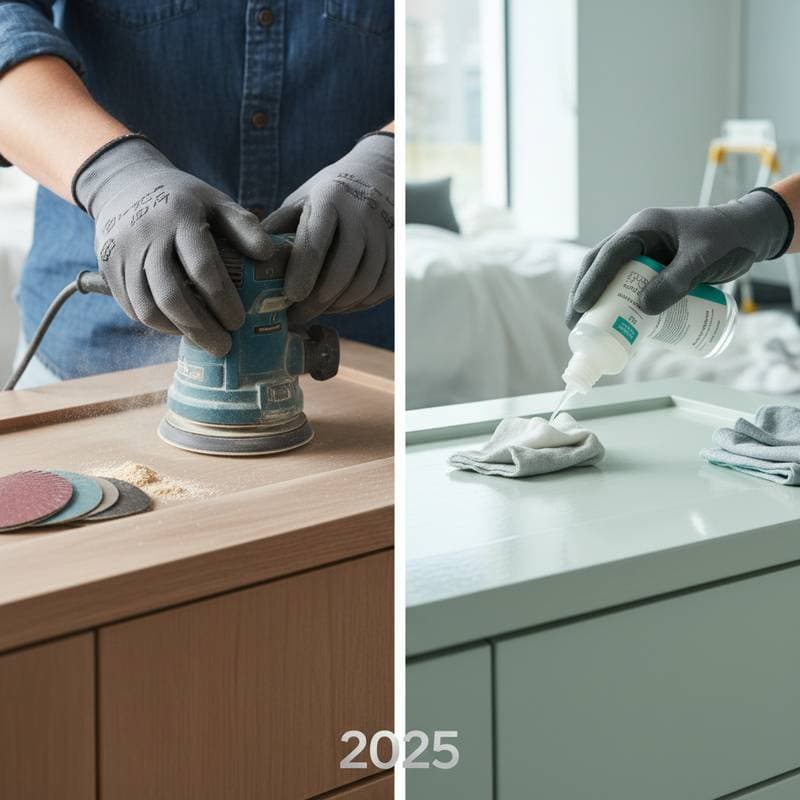
- Hybrid technique: Apply deglosser across broad, flat sections and reserve light sanding (using 150-grit paper) for corners, crevices, or blemishes to optimize efficiency.
- Handle initial cleaning independently: Wipe down surfaces with a degreasing solution like trisodium phosphate to eliminate oils and grime, thereby shortening professional involvement.
- Select balanced product tiers: Premium deglossers with citrus-based formulas provide robust action, yet economy versions with ammonia or solvent blends achieve comparable dulling at reduced cost.
- Schedule in quieter periods: Opt for late fall or early winter bookings when contractors face less competition, often yielding 10-20 percent savings on rates.
Building a Realistic Budget Plan
Factor in essentials like assorted sandpaper grits, deglosser gallons (typically 1 quart covers 50-100 square feet), lint-free cloths, drop cloths, and disposal bags. Incorporate a 10-15 percent buffer for surprises such as hidden water damage or extra primer needs. For substantial undertakings, obtain estimates from at least three specialists, inquiring about their preferred prep protocols and supply brands. Effective preparation typically accounts for 10-20 percent of the full painting expenditure, scaling with surface challenges and scope.
Essential Questions on Preparation Choices
What surfaces suit sanding over deglosser?
Opt for sanding on unfinished wood, heavily textured areas, or when repairing minor damages like nail holes. This approach ensures a uniform base that prevents paint from highlighting inconsistencies.
How do you apply deglosser safely and effectively?
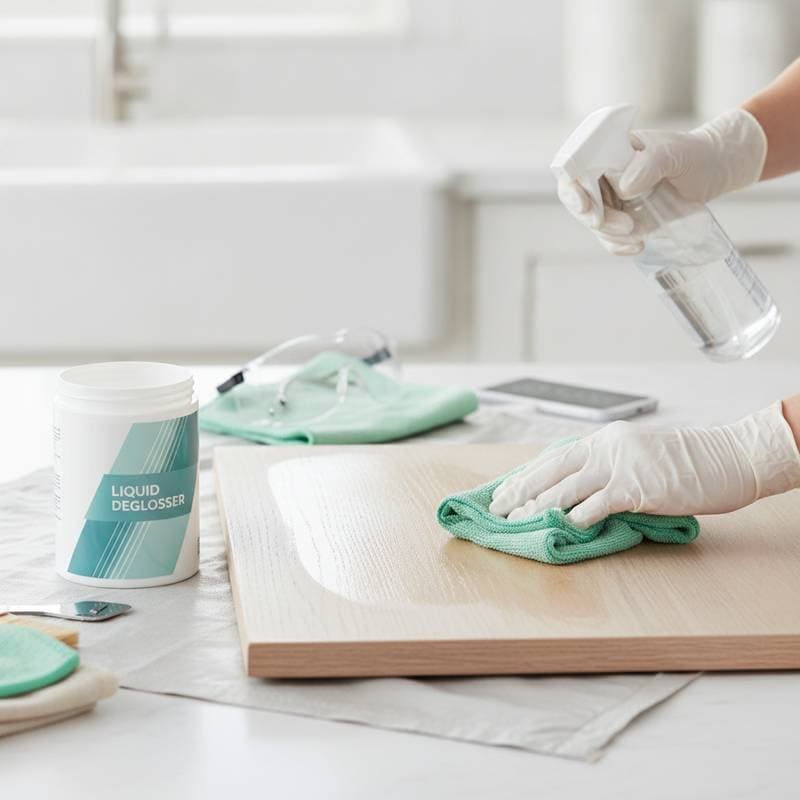
Work in a well-ventilated space wearing gloves, goggles, and a mask. Saturate a clean cloth with the solution, rub in circular motions with moderate pressure, and allow full drying before inspection. Test a small area first to confirm compatibility.
Can combining both methods improve results?
Yes, many professionals blend them: degloss large panels for speed, then sand edges for precision. This hybrid yields professional smoothness while controlling costs and time.
When does sanding justify its higher price?
Choose sanding for high-traffic zones like floors or exteriors where maximum adhesion combats wear. The investment pays off through fewer repaints over 5-10 years.
What tools enhance DIY sanding efficiency?
Invest in an electric orbital sander for even results on flats, paired with detail sanders for profiles. Always follow with a shop vacuum and microfiber cloths to eliminate residue.
When should you hire professionals for preparation?
Engage experts for intricate projects, large scales, or if time constraints apply. Their experience avoids common pitfalls like over-sanding or incomplete deglossing, ensuring warranty-backed quality.
What timing minimizes preparation costs?
Late winter or early spring typically sees reduced demand, leading to negotiable rates and faster scheduling. Avoid peak summer months when prices peak due to high volume.