Sanding vs. Chemical Strippers: The 2025 Guide to Cost-Effective Paint Preparation
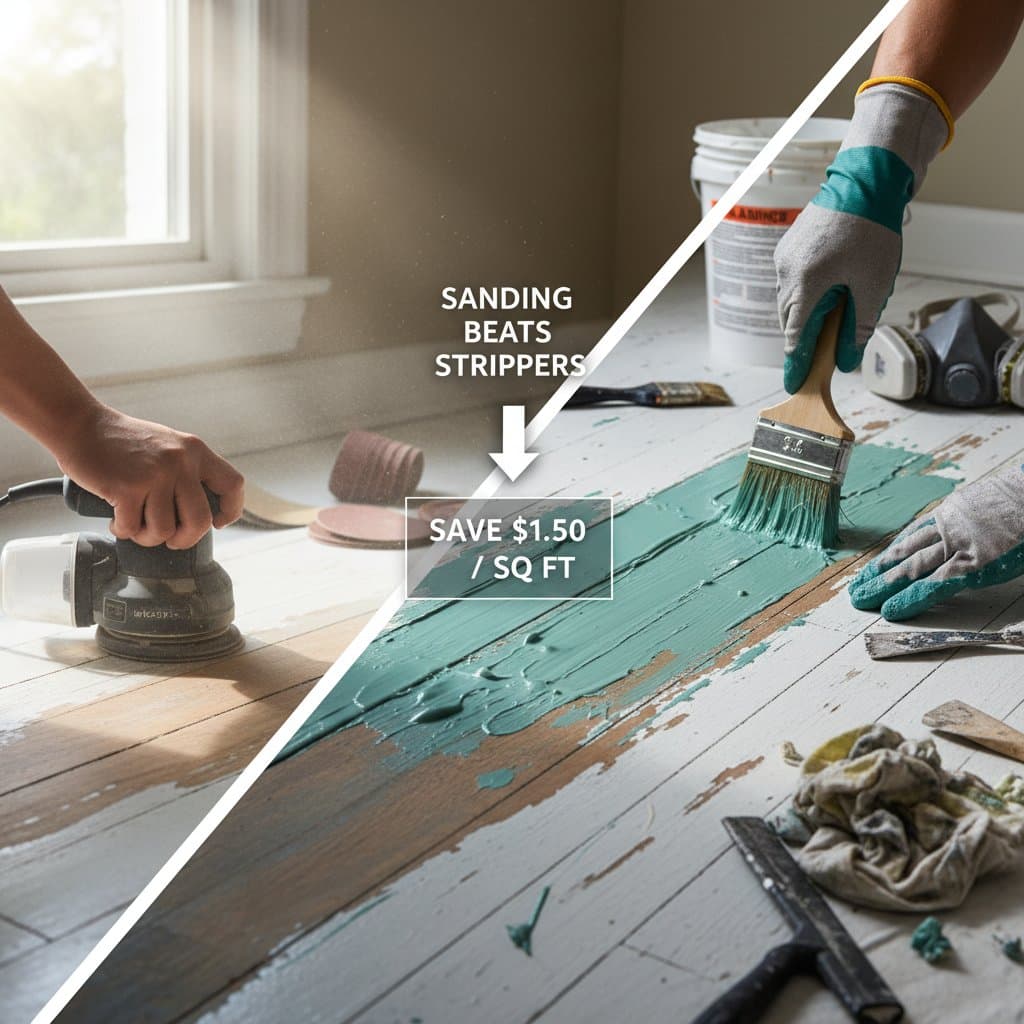
Surface preparation stands as a foundational element in any successful painting project. Homeowners frequently encounter the decision between sanding the existing surface or applying chemical paint strippers. Each technique effectively removes old paint layers, yet they vary significantly in terms of expense, effort involved, and the quality of the resulting finish. A clear understanding of these differences enables informed choices that optimize both budget and long-term outcomes.
Overview of Paint Preparation Expenses
Expenses for preparing a surface for painting hinge on factors such as the area involved, the extent of existing paint buildup, and the selected removal method. Professionals typically charge between $1.50 and $5.00 per square foot to handle paint removal and surface smoothing through either sanding or chemical stripping. These figures encompass materials and labor, though individuals undertaking the work themselves may incur reduced costs if they possess the necessary tools.
Cost Estimates Based on Project Scale
- Small-scale tasks (such as refinishing furniture or a single door): $40 to $150
- Medium-scale endeavors (like a single room interior or a compact deck): $300 to $800
- Large-scale operations (covering an entire house exterior): $1,200 to $4,000
Per-Square-Foot Cost Comparison
- Sanding: $1.50 to $3.50 per square foot
- Chemical stripping: $2.00 to $5.00 per square foot
Such projections account for materials, equipment, and labor. Chemical stripping tends to carry a higher price tag per square foot owing to the expense of the products and the demands of subsequent cleanup. However, it often shortens labor duration on surfaces burdened with numerous paint layers.
Key Influences on Paint Preparation Expenses
Multiple elements determine whether sanding or chemical stripping proves more economical. A grasp of these variables allows for accurate budgeting.
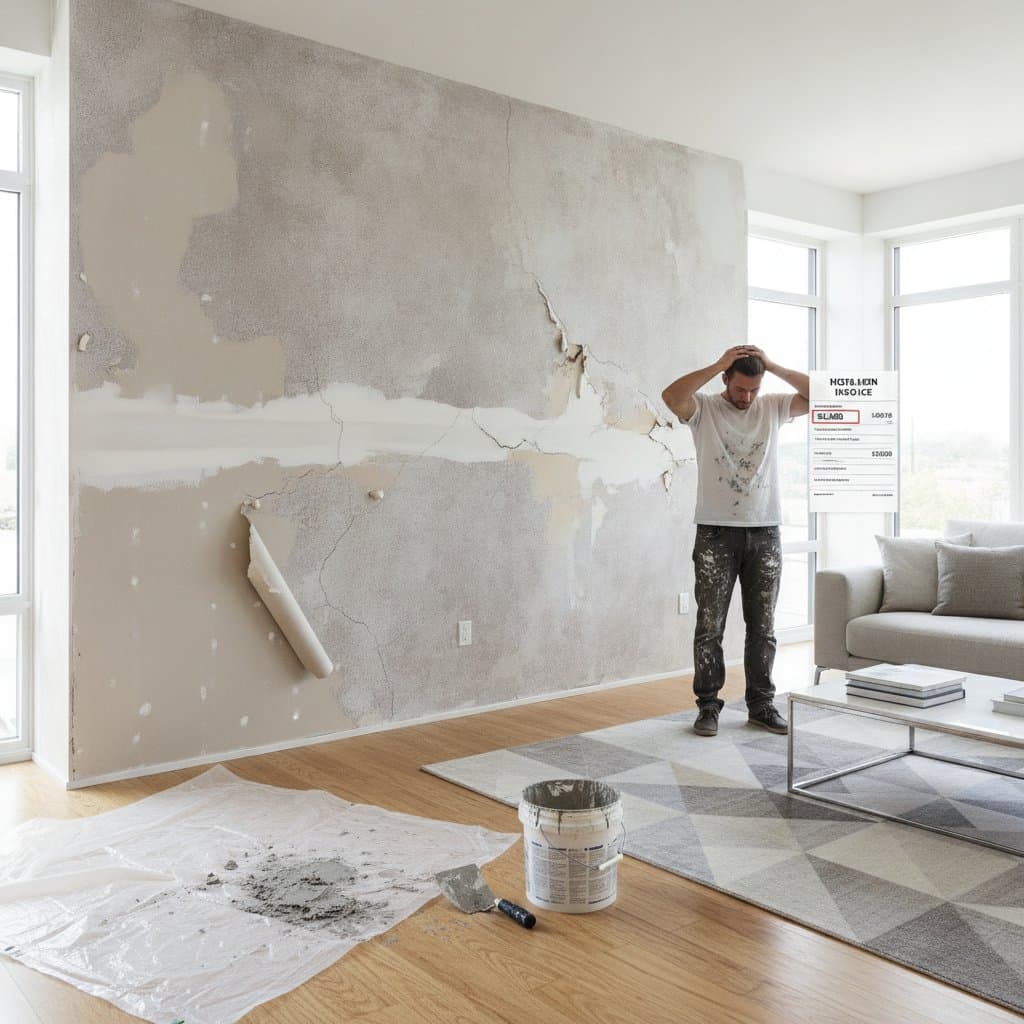
Condition of the surface: Surfaces marred by roughness or damage generally demand sanding to achieve a level smoothness. In cases of extensive peeling or flaking paint, chemical strippers accelerate removal and minimize the need for prolonged sanding.
Extent of paint layers: Structures in older homes frequently feature layered coatings that chemical strippers dissolve with efficiency. Attempting to sand through dense accumulations prolongs the process and accelerates the consumption of abrasives, thereby elevating material expenses.
Type of surface material: Responses vary across wood, metal, and concrete. Wood demands gentle handling, positioning chemical stripping as ideal for intricate trim or antique furnishings. Metal often necessitates abrasive sanding to eliminate rust alongside prior coatings.
Accessibility and intricacy: Planar areas lend themselves to straightforward sanding. Elaborate moldings, tight corners, and detailed accents benefit from the uniform application of strippers, though such features extend both time and overall expenditure.
Health and safety requirements: Sanding produces airborne dust particles, whereas chemical stripping releases potentially harmful vapors. Indoor applications may necessitate respirators, ventilation systems, or other protective measures, introducing additional, albeit modest, costs.
In-Depth Cost Examination by Technique
| Category | Basic Range | Standard Range | Premium Range | Key Differences |
|---|---|---|---|---|
| Sanding | $1.50 - $2.00 | $2.00 - $3.00 | $3.00 - $3.50 | Influenced by abrasive grit, tool selection, and coverage area |
| Chemical Stripping | $2.00 - $3.00 | $3.00 - $4.00 | $4.00 - $5.00 | Determined by chemical potency, layer count, and decontamination efforts |
Sanding generally requires minimal materials yet demands substantial manual effort. Chemical stripping, by contrast, relies on pricier formulations that can expedite work on challenging terrains.
Breakdown of Equipment and Supplies
For sanding:
- Abrasives like sandpaper and pads: $10 to $50
- Rental of powered sanders: $25 to $60 daily
- Essential safety items (masks and goggles): $20 to $40
For chemical stripping:
- Stripping agents: $30 to $100 per gallon
- Tools such as scrapers and brushes: $10 to $30
- Safety essentials (gloves, respirators, drop cloths): $30 to $70
Ownership of these items influences the final tally; rentals or purchases adjust expenses accordingly.
Assessing Value and Long-Term Returns
The thoroughness of surface preparation profoundly impacts the endurance of fresh paint applications. Inadequate groundwork invites premature peeling and irregular adhesion, necessitating earlier touch-ups. Sanding yields a textured base that promotes strong paint bonding, whereas stripping ensures complete eradication of residues for optimal adherence. Selecting the appropriate technique can prolong paint integrity by multiple years, yielding substantial savings over time.
For prominent features like front entrances or decorative trim, the added investment in comprehensive stripping often pays dividends in aesthetic appeal. In scenarios constrained by funds or involving secondary areas, sanding strikes an effective equilibrium between affordability and efficacy.
Practical Strategies to Minimize Costs
- Integrate techniques: Professionals frequently apply chemical strippers to penetrate heavy layers, then employ light sanding for refinement. This combined method curtails chemical consumption and abrading duration.
- Perform initial tasks independently: Tackle simple scraping or basic sanding prior to engaging experts, thereby trimming labor fees.
- Time projects strategically: Opt for exterior work in temperate seasons when contractor availability peaks and rates dip.
- Procure supplies wholesale: For multi-room initiatives, acquire bulk quantities of abrasives or strippers to lower individual unit prices.
- Invest in superior primers: Allocating funds to high-grade primers enhances the performance of any preparation approach, bolstering adhesion and longevity.
Formulating a Comprehensive Budget
An effective budget for paint preparation incorporates direct outlays like materials and labor, alongside indirect ones such as debris management, disposal fees, and protective equipment. Incorporate a contingency of 10 to 15 percent to address unforeseen issues, including repairs to underlying damage revealed during the process.
Solicit itemized estimates from contractors delineating preparation versus application charges. Certain services integrate these phases, while others segregate them; transparency aids in allocating resources judiciously.
Weighing Professional Assistance Against Self-Performance
Undertaking sanding independently suits modest undertakings, provided one exercises patience and maintains consistent pressure. Powered tools accelerate progress but risk gouging softer woods without careful operation. Chemical stripping at home remains feasible with meticulous chemical management and adequate airflow, though it demands heightened caution.
Professionals excel in expansive or ornate projects, delivering efficiency, adherence to safety protocols, and uniform outcomes that frequently offset their fees.
Advancing to Project Execution
Commence by evaluating your surface's specific needs: inspect for layer thickness, material type, and accessibility challenges. Gather or rent requisite tools, prioritizing safety gear to mitigate risks. If enlisting help, secure multiple quotes emphasizing preparation details. Proceed methodically, testing techniques on inconspicuous areas to confirm compatibility. Upon completion, apply primer promptly to seal the prepared surface, ensuring a durable base for your paint.
Common Questions on Paint Preparation
What constitutes the typical expense for surface readiness in painting?
Homeowners generally allocate $1.50 to $5.00 per square foot for removing paint and prepping surfaces. Final amounts vary with the area's dimensions, paint accumulation, and the chosen sanding or stripping approach.
Which elements most significantly affect paint preparation pricing?
Primary drivers encompass surface state, paint depth, material composition, and design complexity. The degree of manual labor and safety provisions further shapes the overall cost.
In what ways can one economize on preparation while preserving standards?
Merging techniques, executing preliminary steps personally, and timing work for off-peak periods all contribute to savings. Selecting robust primers and meticulous planning amplify these benefits.
Does professional hiring or DIY suit my needs?
Homeowners equipped with tools and precautions can manage smaller tasks effectively. Larger or intricate surfaces benefit from expert intervention, which ensures rapidity, security, and reliability.
How should one account for potential overruns in paint prep budgets?
Build in a 10 to 15 percent reserve for concealed flaws, supplemental supplies, or extended labor. This provision safeguards against fiscal disruptions mid-project.
When does undertaking paint preparation yield the lowest costs?
Milder weather periods see reduced rates due to diminished service demand. Early booking and availability checks can further negotiate favorable pricing.