Why Plaster Walls Define Luxury Finishes in 2026
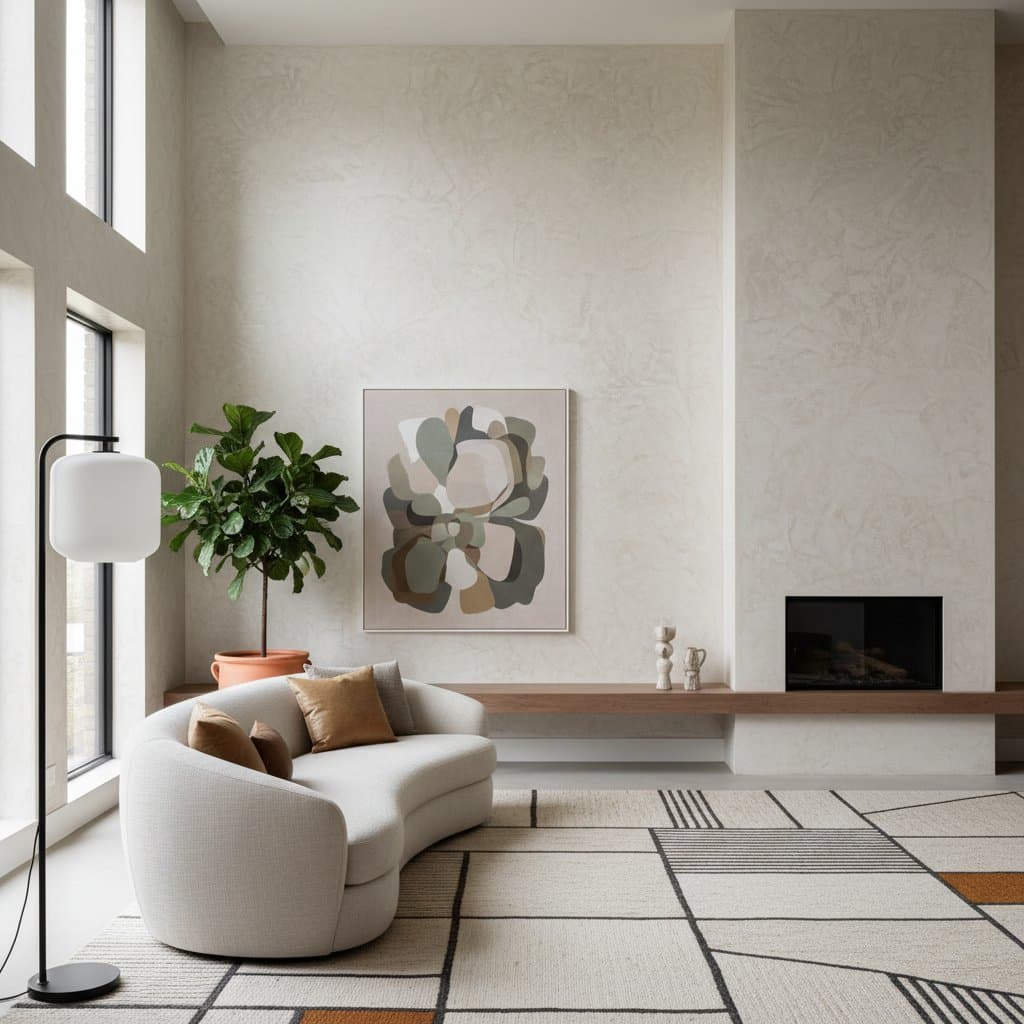
Plaster reclaims prominence in upscale residential design. Previously regarded as a historical method, it now symbolizes precision and artistry. Individuals desiring distinctive texture, dimension, and grace rediscover plaster's capacity to enhance interior environments. Options range from sleek Venetian applications to subtly variegated lime surfaces, positioning plaster walls as an investment that elevates ordinary rooms to artistic expressions.
This resurgence emphasizes excellence over sentiment. While paint and drywall prevail in standard building practices, plaster achieves effects unattainable by synthetic alternatives. The material engages with illumination, introduces inherent diversity, and imparts an authentic sensation that harmonizes with modern and classic aesthetics alike. For those undertaking remodels or constructing anew, plaster provides a degree of refinement seldom matched by conventional coverings.
Project Cost Breakdown
Average Cost Ranges
- Basic plaster finish: $8 to $12 per square foot
- Standard Venetian plaster: $14 to $25 per square foot
- Premium custom finish: $30 to $50 per square foot
What's Included
- Surface preparation and repair
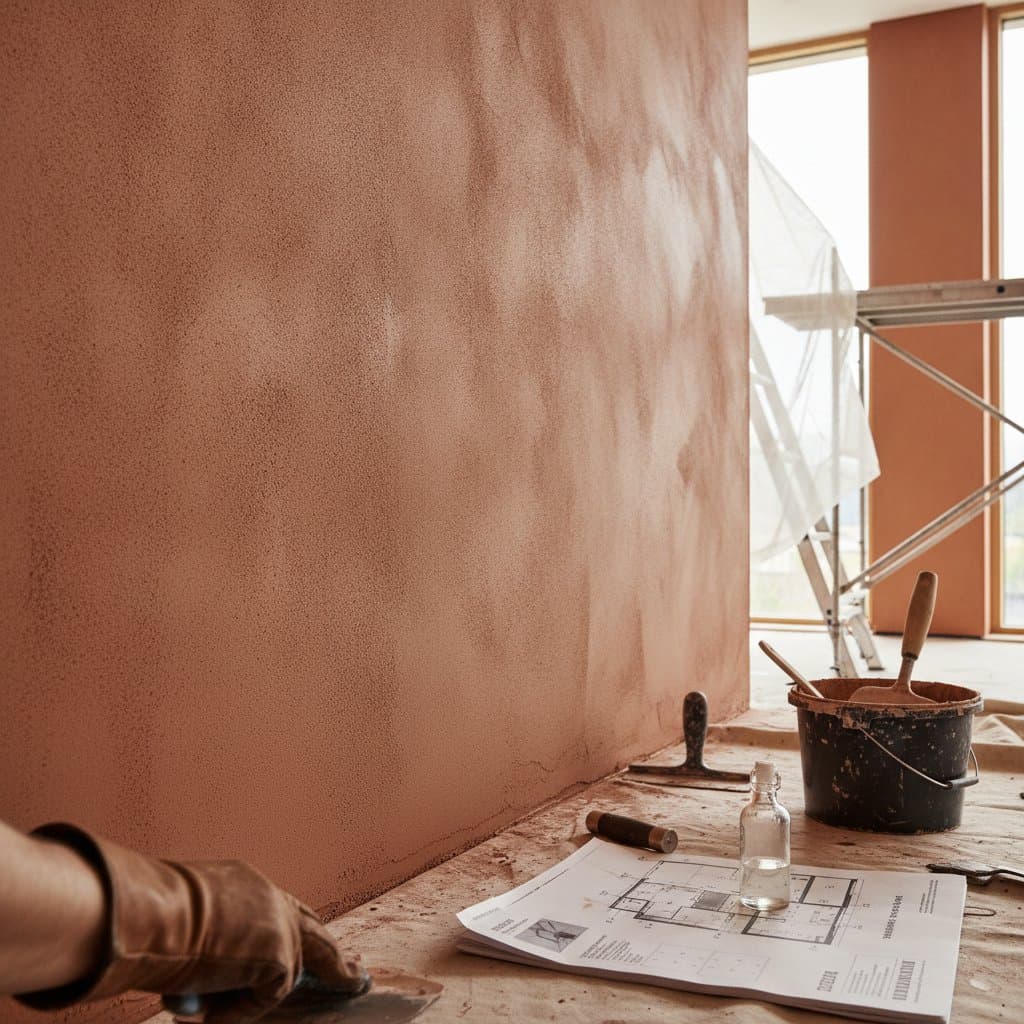
- Application of multiple plaster layers
- Polishing or burnishing for sheen
- Sealing or waxing as needed
- Cleanup and final inspection
What Costs Extra
- Specialty pigments or metallic finishes
- Complex wall shapes or curved surfaces
- Decorative patterns or layered effects
- Moisture-resistant coatings for bathrooms or kitchens
Factors That Affect Final Cost
| Factor | Cost Impact | Examples |
|---|---|---|
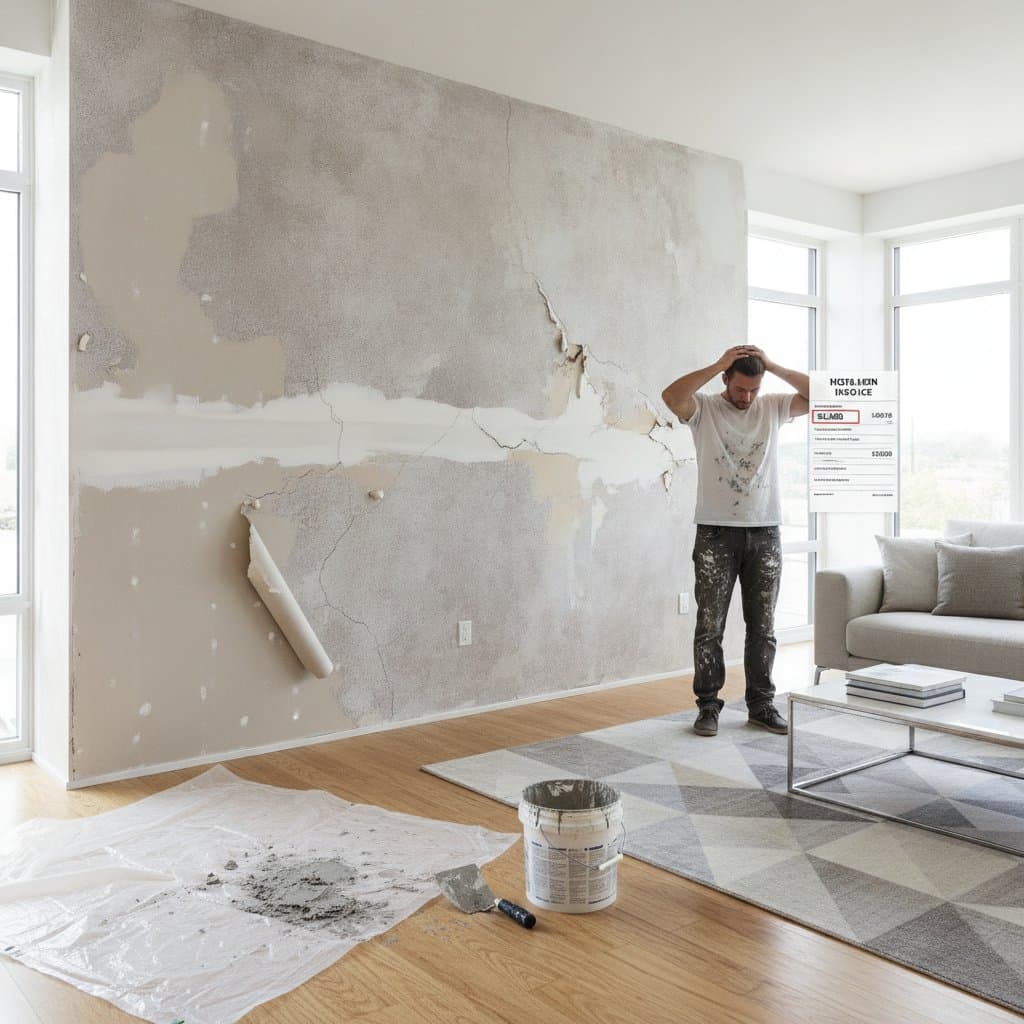
| Wall condition | Increases prep cost | Cracks, uneven texture, or old paint removal |
| Material type | Raises material cost | Venetian or lime plaster versus gypsum |
| Artisan skill level | Higher labor rate | Experienced plaster specialists |
| Room size and access | Affects total time | Tall walls or tight corners add complexity |
Plaster demands a higher initial outlay, yet its extended service life and visual merit frequently validate the expenditure. Those opting for it prioritize a permanent declaration over temporary alterations.
Realistic Timeline Expectations
Plaster installations proceed through defined phases, each with specific duration needs. Haste risks subpar results.
- Preparation: 1 to 2 days for cleaning, patching, and priming surfaces.
- Base coat application: 1 to 3 days based on wall dimensions.
- Intermediate layers: 2 to 4 days for successive applications to develop texture.
- Polishing or burnishing: 1 to 2 days to achieve luster and profundity.
- Sealing or waxing: 1 day for ultimate safeguarding.
Intervals for drying prove essential between applications. Skilled applicators permit sufficient hardening to avert fissures or lackluster outcomes. In standard residences, comprehensive wall treatments span one to two weeks overall.
Selecting the Right Contractor or Artisan
The choice of specialist determines project success. Superior practitioners blend mechanical proficiency with design intuition. Property owners benefit from thorough assessment of expertise and background prior to commitment.
Key Steps in the Selection Process
- Research and referrals: Consult interior designers, contractors, or acquaintances with recent plaster experience.
- Portfolio review: Examine images of finished works displaying varied textures and applications.
- Credentials verification: Validate licenses, coverage, and specialized training in plaster methods.
- Detailed estimates: Evaluate itemized proposals detailing supplies, coat counts, and result specifications.
- References: Contact prior customers regarding responsiveness, reliability, and final quality.
Contract Essentials
A comprehensive agreement must specify:
- Scope of work and surface extent
- Material details and finish parameters
- Timeline and payment milestones
- Warranty provisions or upkeep guidelines
Clarity here averts future disputes.
Maintenance and Longevity
Well-tended plaster surfaces mature elegantly. The material solidifies progressively, acquiring a patina that amplifies its allure.
Basic care tips:
- Employ a soft cloth or microfiber duster for routine removal of dust.
- Steer clear of abrasive cleaners; mild soap diluted in water suffices for most upkeep.
- Apply fresh wax or sealant biennially if luster fades.
- Repair minor damages promptly to halt progression.
With consistent attention, plaster endures far beyond coated drywall, affirming its status as both opulent and prudent.
Why Homeowners Embrace Plaster Once More
The growing appeal of plaster mirrors broader preferences for genuineness and manual skill in residential aesthetics. Residents seek spaces that convey individuality, tangibility, and permanence. Uniform factory finishes lack the bespoke quality of plaster, which honors artisanal variation and subtle flaws for an authentic, eternal presence.
Steps to Launch Your Plaster Project
- Define your aesthetic goals. Collect ideas from publications, images, or showcase residences.
- Set a realistic budget. Allocate reserves for unforeseen repairs or adjustments.
- Consult experienced professionals. Explore choices such as matte lime plaster, glossy Venetian, or tadelakt variants.
- Request samples. Physical interaction with textures aids in preference validation prior to commitment.
- Schedule strategically. Time the work to avoid conflicts with disruptive tasks like flooring or tiling.
Frequently Asked Questions
1. How much should I budget for plaster wall installation?
Standard installations range from $8 to $25 per square foot. Elaborate hues or Venetian polishing may escalate to $30 to $50 per square foot. These figures encompass labor, supplies, and completion, though irregular geometries or elevated ceilings could augment expenses.
2. How long does a plaster wall project usually take?
Standard rooms demand one to two weeks from initial prep to concluding polish. Expansive or detailed endeavors extend further owing to layered applications and curing periods. Thorough drying guarantees resilience against fractures.
3. Is plaster a good candidate for DIY projects?
Modest feature walls suit adept hobbyists with pre-blended formulas, but comprehensive rooms or refined Venetian work require experts. Mastery involves exact layering and synchronization honed over years.
4. What should I look for when hiring a plaster contractor?
Verify licensure, protection, and familiarity with desired plaster varieties. Solicit project visuals, formalized bids, and client endorsements. Scrutinize agreements for supply lists, project bounds, and assurance details.
5. What kind of maintenance do plaster walls need?
Minimal effort suffices: periodic dusting and light washing. In damp zones, periodic resealing preserves gloss and wards off humidity. Localized fixes address small imperfections without wholesale renewal.
6. What problems can occur with plaster walls and how are they resolved?
Fissures arise from building shifts, while dimness stems from unsealed exposure. Experts mend cracks, refurbish lackluster zones through repolishing, or renew wax for vibrancy. Sound application and humidity management curtail such issues.