Mushroom Taupe and Dusty Mauve: Neutral Favorites for 2026
Mushroom taupe and dusty mauve bring warmth and subtle color to rooms that might otherwise feel stark or predictable. Mushroom taupe blends gray, brown, and beige, while dusty mauve softens pink with gray and muted violet undertones. Both shades work as flexible neutrals, but lighting, finish, room size, and preparation influence how they look and what a professional paint job costs.
For homeowners planning a refresh, professional interior painting often costs between two and six dollars per square foot of painted surface, including paint and labor. A standard bedroom may run between four hundred and nine hundred dollars, while a larger living area can cost between eight hundred and two thousand dollars or more. These broad estimates depend on location, wall condition, paint quality, ceiling height, and the amount of trim included.
What These Colors Bring to a Room
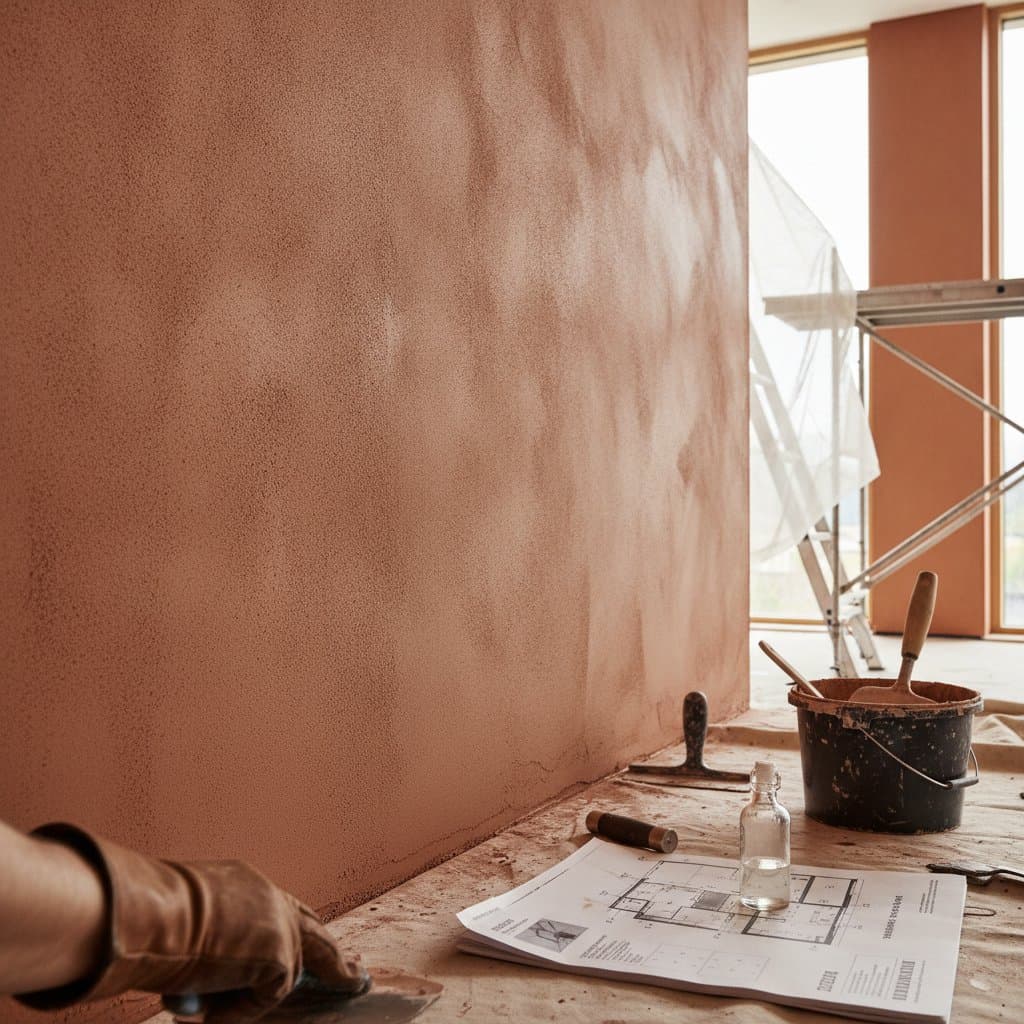
Mushroom taupe tends to feel grounded and understated. It pairs well with natural wood, cream textiles, black hardware, and stone surfaces. Use it on walls when you want warmth without a strong yellow or red cast. Depending on the paint formula and the room's light, it may appear grayer, browner, or more beige.
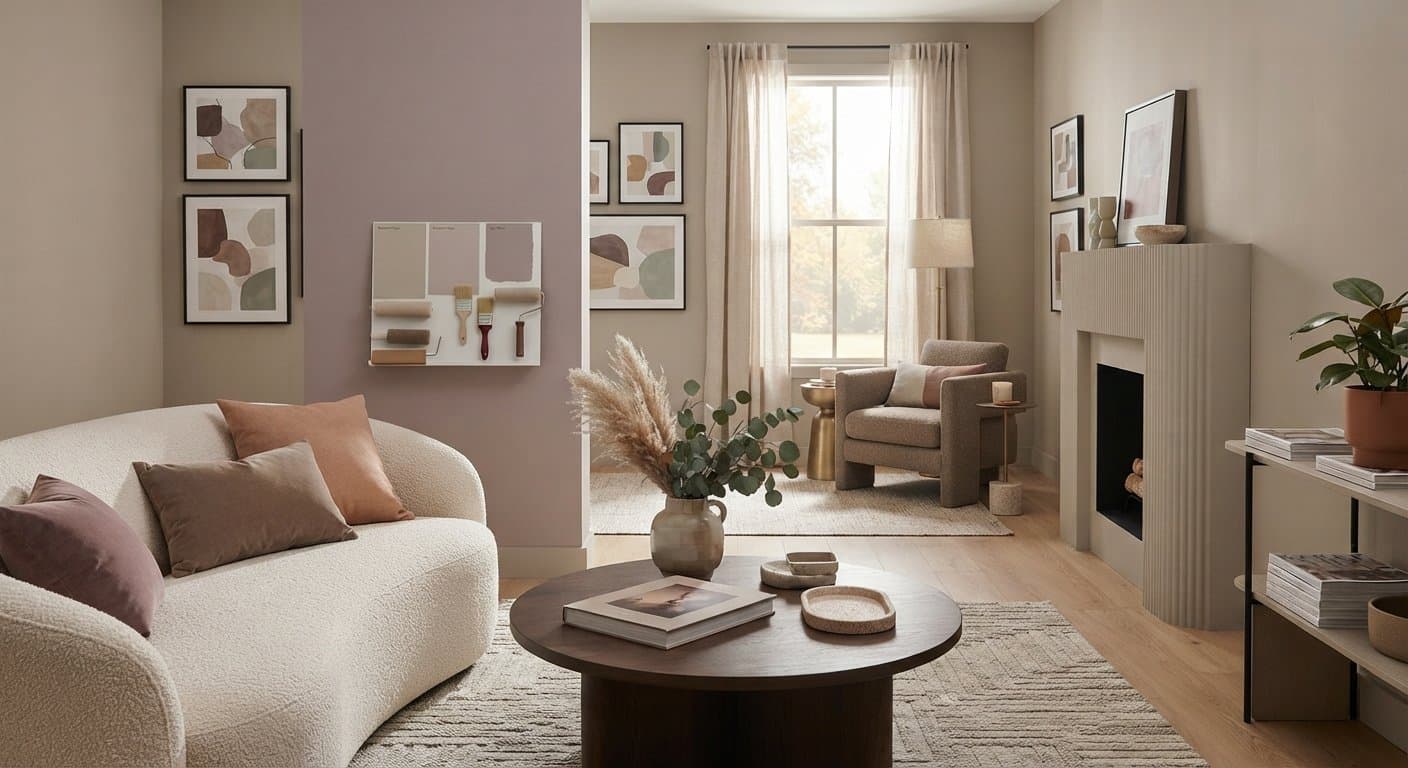
Dusty mauve adds a gentle rosy note while remaining muted enough for everyday spaces. It can suit bedrooms, reading corners, dining rooms, or an accent wall. Pair it with warm white, walnut, muted green, or aged brass. In a north-facing room, some mauves can look cooler or more purple, so sampling is essential.
These shades are not interchangeable. Mushroom taupe typically reads as an earthy neutral, while dusty mauve introduces a more visible color impression. Testing both on large sample boards helps reveal which better suits your furnishings and natural light.
Typical Painting Costs by Room Size
| Project scope | Typical professional cost | Common work included |
|---|---|---|
| Small bedroom | $400 to $700 | Walls, minor patching, standard finish |
| Medium bedroom | $500 to $900 | Walls, preparation, two coats |
| Living room | $800 to $2,000 | Larger wall area, furniture protection, repairs |
| Several connected rooms | $1,800 to $4,500 or more | Coordinated colors, multiple rooms, added setup |
These figures are planning ranges, not fixed quotes. They usually assume ordinary wall heights, accessible rooms, and surfaces in reasonable condition. Ceilings, doors, baseboards, wallpaper removal, and major repairs can add to the total.
What Affects the Price
Room size and layout affect cost. More wall area requires more paint and labor. Open plans can cost more than a room of similar floor area because walls may be taller or harder to reach. Built-ins, alcoves, and many doorways also increase cutting and masking time.
Surface preparation matters. Small nail holes and light sanding may be included in a basic estimate. Cracked plaster, water stains, peeling paint, or damaged drywall need extra labor and materials. Repairs can add between one hundred and six hundred dollars or more, depending on severity.
Color and coverage influence the final price. Mushroom taupe and dusty mauve are moderate shades, but the existing wall color matters. A deep, saturated color may need primer or an extra coat. Ask whether the estimate includes primer, two finish coats, and touch-ups.
Paint quality and finish affect both cost and performance. A standard interior paint may cost around thirty to sixty dollars per gallon, while premium products can reach sixty to one hundred dollars or more. Higher-quality paint may cover better and resist scuffs, which can be useful in busy hallways or family rooms. Matte hides minor wall flaws, while eggshell or satin is easier to clean but can reveal surface imperfections.
Local labor and access create price differences. Rates differ by region, contractor demand, ceiling height, and room access. Homes with stairwells, limited parking, or furniture that must be moved may require additional time. Confirm whether furniture protection and cleanup are part of the quote.
Choosing a Finish and Testing Color
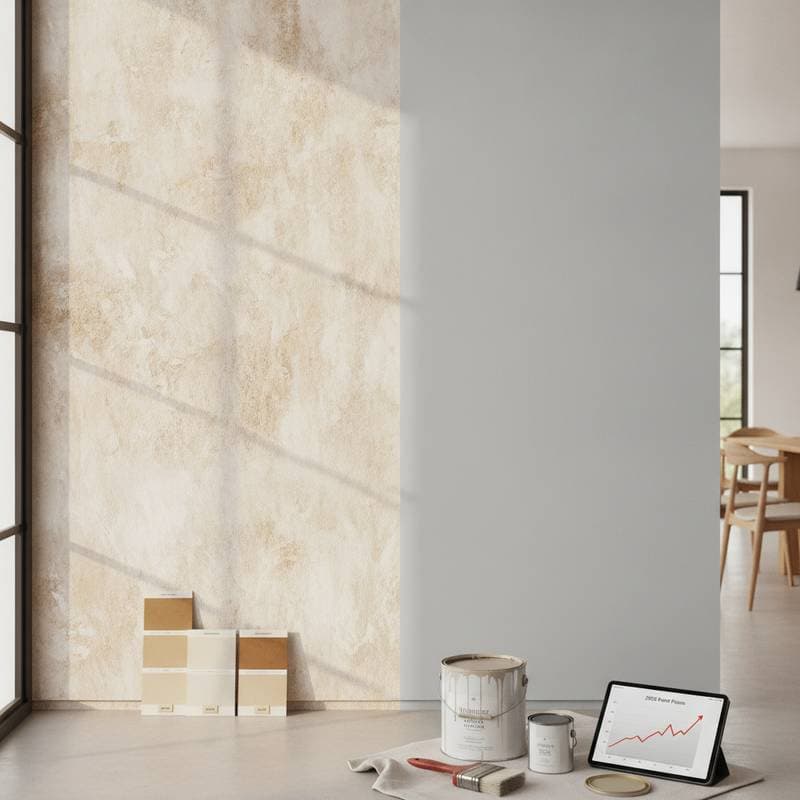
Before committing, paint sample areas on several walls, or use large movable boards. View them in morning and evening light, with lamps on and off. Keep nearby flooring, curtains, and furniture in view. A color that seems balanced beside a store display can look noticeably warmer or cooler at home.
Choose a washable finish for high-use rooms, especially where hands and pets may leave marks. For ceilings, a flat finish often reduces glare. If you are combining the two colors, consider mushroom taupe for the main walls and dusty mauve for a smaller space or accent area. Use a consistent trim color to make connected rooms feel intentional.
Professional Painter or DIY
DIY painting can reduce labor expense, but homeowners still need brushes, rollers, drop cloths, tape, ladders, patching supplies, and paint. Equipment and materials for one room may cost between one hundred fifty and four hundred dollars, not counting your time. The work also includes filling, sanding, protecting surfaces, cutting in edges, applying coats, and cleanup.
Hiring a painter can be worthwhile for high ceilings, extensive repairs, precise color transitions, or a tight schedule. Request written estimates that list preparation, paint brand and product line, coats, included rooms, cleanup, and exclusions. Compare the scope, not only the total price. A low quote may omit repairs or use a thinner coating schedule.
Planning a Practical Budget
Set aside ten to twenty percent beyond the estimate for hidden damage, added coats, or changes to the scope. To control costs, move small furniture and wall decor before the crew arrives, group rooms with similar colors, and complete minor tasks only if the painter agrees. Avoid skipping surface repairs, since flaws can remain visible after painting and shorten the life of the finish.
The value comes from a room that feels more cohesive and remains easier to maintain. A careful color choice can refresh a space without replacing furniture, while durable paint may reduce the need for frequent repainting. The best investment is usually a balanced combination of sound preparation, suitable paint, and workmanship matched to the room.
Frequently Asked Questions
1. How much does it cost to paint a room mushroom taupe or dusty mauve?
A small bedroom commonly costs between four hundred and seven hundred dollars, and a larger living room may cost between eight hundred and two thousand dollars or more. Repairs, ceilings, trim, and local labor rates affect the final quote.
2. Which color is easier to use throughout a home?
Mushroom taupe often works well as a broad wall color because it reads as an earthy neutral. Dusty mauve can also work across multiple rooms, though its rosy undertone may be more noticeable. Test samples before selecting either.
3. Do these colors need a primer?
Not always. Primer is useful when covering a dark or uneven color, sealing stains, or preparing repaired drywall. Ask your painter whether primer is included and what surface conditions make it necessary.
4. Can I save money by painting the room myself?
Yes, particularly if the room is small and the walls are in good condition. Account for tools, supplies, preparation, and time. Professional help is often a better fit for tall rooms, complex edges, or extensive repairs.
5. How much should I reserve for unexpected expenses?
A contingency of ten to twenty percent is a practical starting point. Larger allowances may be appropriate when paint is peeling, walls have water damage, or older finishes require additional preparation.
6. How do I compare painting estimates?
Check that each estimate identifies the rooms, preparation work, paint products, number of coats, finish, cleanup, and excluded items. Ask how added repairs are priced before work begins.