The $800 Surge in Low-VOC Paint Prices for 2025
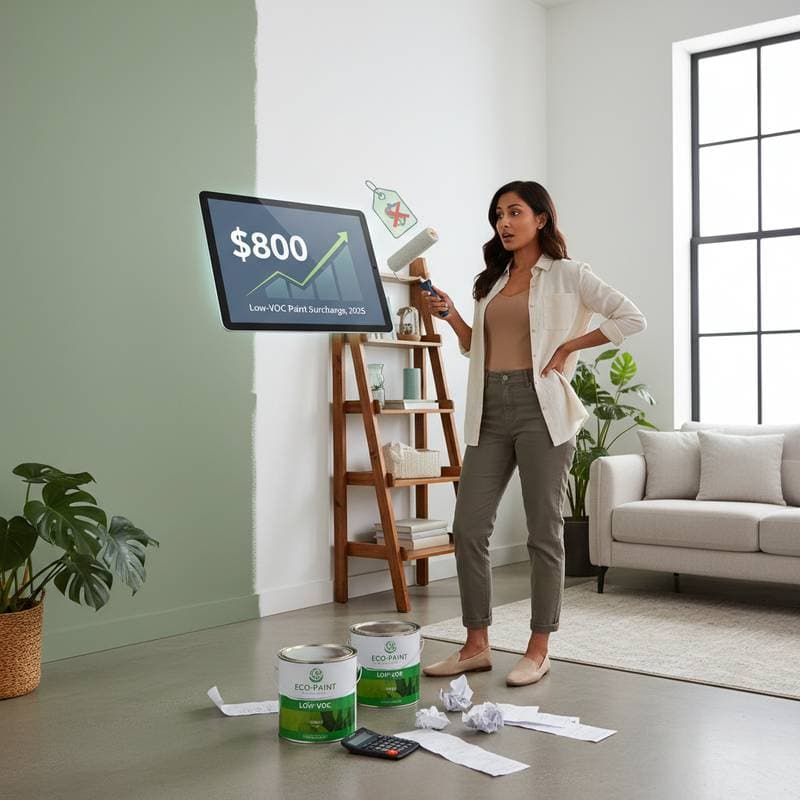
Homeowners increasingly select low-VOC paints to minimize indoor air pollutants and support sustainable practices. These paints emit fewer volatile organic compounds, creating safer living environments. However, a recent analysis reveals that average project costs have risen by $800 compared to prior years. This escalation forces many to adjust their renovation plans carefully.
Several interconnected issues drive this price change. Supply disruptions, updated environmental rules, and higher production expenses all play roles. Homeowners who grasp these dynamics can better anticipate expenses and explore cost-effective alternatives. This article breaks down the key influences, provides project cost estimates, and offers strategies to control spending without compromising results.
Key Drivers of Rising Low-VOC Paint Expenses
Multiple elements contribute to the elevated costs of low-VOC paints. Each factor adds layers to the overall price, and recognizing them enables more precise financial planning.
Raw Material Price Hikes
Low-VOC formulations rely on specialized, low-emission resins and pigments, such as purified titanium dioxide. Global supply chain interruptions have increased these inputs by 15 to 25 percent. Manufacturers respond by raising retail prices to cover the added production burden.
Enhanced Environmental Standards
New federal and state regulations mandate even lower VOC levels, often below 50 grams per liter. Paint companies invest in cleaner manufacturing processes and rigorous testing to comply. These upgrades, while beneficial for the environment, elevate operational costs that trickle down to end users.
Increased Labor Rates
Demand for skilled painters experienced in eco-friendly applications has grown. Tasks like ensuring proper ventilation during application and handling waste disposal require extra time and expertise. As a result, hourly rates for professionals have climbed by 10 to 20 percent in many markets.
Variations in Brand and Quality
High-end brands like Benjamin Moore or Sherwin-Williams offer superior fade resistance and coverage, justifying premiums of 20 to 40 percent over entry-level options. The $800 average increase appears most prominently in projects using these durable, low-odor products.
Preparation and Surface Challenges
Aged or damaged walls demand thorough sanding, patching, and priming before painting. Low-VOC paints often pair with specific primers to prevent peeling, adding $100 to $300 per room in materials alone.
How Location and Timing Affect Pricing
Costs vary significantly by region. In cities like New York or Los Angeles, stringent air quality laws and elevated wages push prices 15 to 30 percent higher than national averages. Rural areas benefit from lower labor fees but may face shipping surcharges for specialty paints.
Seasonal demand also impacts quotes. Peak summer periods see contractors booked solid, allowing them to charge premiums. Opting for fall or winter scheduling often yields 10 to 15 percent discounts, as professionals seek to fill slower calendars.
Detailed Cost Estimates for Typical Projects
Understanding breakdowns helps set realistic expectations. These figures reflect 2025 pricing for standard two-coat applications on average surfaces.
Small Room (10x12 Feet)
Expect $350 to $700 total.
- Paint materials and basic labor: $250 to $400
- Surface cleaning and minor repairs: $50 to $150
- Low-VOC upgrades and trim work: $50 to $150
Medium Room (12x15 Feet)
Expect $700 to $1,200 total.
- Core paint and labor: $500 to $800
- Preparation including primer: $100 to $200
- Accent features or specialty finishes: $100 to $200
Full Interior (2,000 Square Feet)
Expect $4,000 to $7,500 total.
- All materials including paints and supplies: $2,000 to $3,000
- Professional labor: $2,000 to $4,000
- Repairs, extra priming, and multiple coats: $500 to $1,000
Adjust upward for high ceilings, intricate moldings, or textured walls, which can add 20 percent or more.
Additional Influences on Total Expenses
Certain choices amplify costs subtly but noticeably.
- Color Choices: Bold or dark shades absorb more paint, often needing three coats instead of two, which increases material use by 25 percent.
- Finish Types: Satin or semi-gloss sheens incorporate more resins for washability, raising prices by $0.50 to $1 per square foot.
- Brand Preferences: Established names provide extended warranties and consistent results, but at a 15 to 25 percent markup over generics.
- Scheduling Factors: Last-minute requests or rush jobs incur fees of $200 to $500 to accommodate tight timelines.
Comparing Quality Levels for Long-Term Value| Quality Level | Expected Lifespan | Maintenance Needs | Annualized Cost | Ideal Applications |
|---------------|-------------------|-------------------|-----------------|-------------------|
| Basic| 3-4 years| Frequent touch-ups required | $0.75-$1.00| Rentals or temporary spaces |
| Standard| 5-7 years| Occasional cleaning suffices | $0.60-$0.80| Bedrooms and common areas |
| Premium| 8-10 years| Rare interventions needed| $0.45-$0.65| Kitchens and hallways |
Higher tiers demand upfront investment but yield savings through reduced repaints. For instance, a premium product might cost $1,200 more initially yet save $500 over five years in labor and materials.
Practical Ways to Reduce Costs
Strategic decisions can mitigate the $800 hike effectively.
-
Select Mid-Tier Options
These paints match premium performance in coverage and low emissions while costing 40 percent less. Look for certifications from the Green Seal organization to verify quality. -
Perform Prep Tasks In-House
Wipe down walls, tape edges, and patch cracks yourself using basic tools like drop cloths and spackle. This approach typically saves $200 to $400 on professional fees. -
Schedule Off-Season
Target November through February for projects, when contractors discount rates by 10 to 20 percent to balance workloads. -
Negotiate Bulk Deals
Purchase paint in five-gallon buckets for multi-room jobs, often securing 15 percent savings. Combine services like painting and minor repairs in one contract for bundled pricing. -
Vet Multiple Bids
Obtain at least three itemized quotes specifying labor, materials, and timelines. Highlight your flexibility to encourage competitive offers.
Steps to Build a Solid Budget
Calculate wall square footage by measuring height times length, then apply $2 to $4 per square foot for low-VOC work. Include 10 to 15 percent buffer for surprises like hidden water damage or shade mismatches.
Account for extras such as door painting or ceiling refreshes, which add 20 to 30 percent. For extensive renovations, divide into phases, like tackling living areas first, to manage cash flow.
Explore low-interest financing through home equity lines or store cards with deferred payments. Weigh these against the paint's durability to ensure the investment aligns with your stay duration.
Weighing Options for Your Project
Beyond costs, consider low-VOC paints' advantages in health and longevity. They lower allergy risks and odors, enhancing daily comfort. For long-term residents, premium selections pay off through fewer maintenance cycles.
Sellers might prioritize affordable standards to boost curb appeal economically. Consult certified painters for tailored advice on quantities and techniques that optimize every gallon.
Common Questions About Low-VOC Painting Costs
What Does a Typical Low-VOC Project Cost in 2025?
Projects range from $3,200 to $5,800 for average homes, scaling with size and finishes. Small jobs stay under $1,000, but whole-house efforts can exceed $8,000 amid the material and labor uptick.
Which Elements Most Affect Pricing?
Material sourcing, selected brands, wall conditions, and regional wages dominate. Shortages and compliance mandates further inflate supply-side expenses.
How to Cut Costs While Preserving Standards?
Opt for vetted mid-grade paints, handle basic prep, and book in low-demand seasons. Bulk buys and consolidated contracts further trim totals.
Professionals or DIY for Best Results?
DIY suits simple spaces and saves labor, but demands equipment and practice for even application. Hire experts for complex jobs to avoid rework on finicky low-VOC formulas.
Budgeting for Surprises?
Reserve 10 to 15 percent of estimates for issues like additional priming or adjustments. This cushion prevents budget overruns.
Optimal Timing for Savings?
Fall and winter yield the best rates due to reduced demand. Early planning and date flexibility unlock deeper discounts.
Achieving Lasting Results on a Budget
Low-VOC paints deliver enduring benefits despite 2025's price pressures. Thoughtful choices in products, timing, and preparation turn potential setbacks into opportunities for value. Homeowners who plan ahead secure vibrant, healthy spaces that stand the test of time.