Low VOC Paint Prices: What You Actually Pay in 2026
A gallon of low VOC paint typically costs between thirty and eighty dollars. Premium formulas can exceed ninety dollars. The shelf price tells only part of the story. Coverage rates, surface conditions, and the number of coats required determine the final project cost.
How VOC Levels Affect Paint Pricing
VOC stands for volatile organic compounds. These chemicals evaporate into indoor air during the drying process. Low VOC paints contain reduced amounts of these compounds compared with conventional formulas. Zero VOC options exist, though colorants and additives can still contribute to emissions.
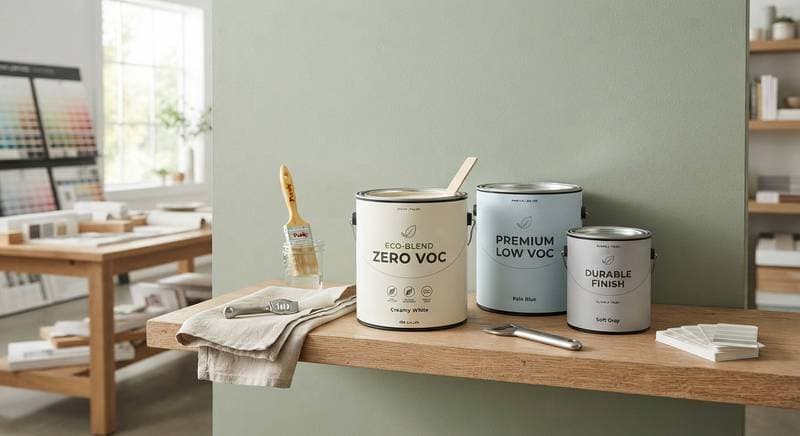
Retail pricing generally falls into three categories. Budget tier products range from twenty to forty dollars per gallon. These formulas suit low traffic areas or projects with tight budgets. Mid range options cost forty to seventy dollars per gallon. They provide better coverage and easier cleaning for bedrooms, living rooms, and most kitchens. Premium products start at seventy dollars and can reach one hundred dollars or more. These offer enhanced durability, specialty finishes, and designer color options.
Prices vary by region, brand, sheen level, and retailer. Some quotes include primer and color matching. Others do not. Always confirm what the listed price covers before purchasing.
Calculating Total Project Costs
Coverage rates determine how much paint a project requires. One gallon typically covers three hundred fifty to four hundred square feet per coat on smooth, properly prepared surfaces. Textured walls, porous materials, and dramatic color changes reduce coverage and may require additional coats.
Follow these steps to estimate quantities accurately. Measure wall length and height first. Subtract doors and windows from the total area. Divide the paintable surface by the coverage rate listed on the product label. Multiply by the number of coats needed. Add primer costs if the surface is stained, bare, or undergoing a significant color change. Reserve extra paint for future touch ups.
A four hundred square foot room with two coats usually requires two to three gallons of paint. At forty five dollars per gallon, paint costs alone range from ninety to one hundred thirty five dollars. Labor, repairs, primer, and supplies remain separate expenses.
Choosing Paint by Room and Budget
Budget conscious projects benefit from careful product selection. Confirm coverage rates before buying. Use leftover paint for closets or accent walls. Thorough surface preparation prevents waste. Clean surfaces, sand glossy areas, and fill holes before painting.
Mid range budgets allow strategic product mixing. Select washable formulas for high traffic areas. Use more affordable options in low traffic spaces. Test colors on poster board and view samples in morning and evening light before committing to multiple gallons.
Higher budgets support premium low or zero VOC products. These excel in durability and stain resistance. Request product data sheets from manufacturers. Verify that tint systems maintain the emissions claims.
Understanding Product Limitations
Low VOC designation does not guarantee odor free application or allergy protection. Some formulas still require ventilation during application. Keep children and pets away from painted areas until surfaces dry completely. Review safety data sheets for specific health concerns.
Color accuracy depends on lighting conditions. Test small patches on actual walls. Allow samples to dry fully before evaluating sheen and hue. This step prevents costly repaints.
Matching Paint Performance to Room Use
Bedrooms and living rooms work well with mid range low VOC paints. These spaces balance cost with performance needs. Kitchens, hallways, and children's rooms require scrubbable finishes. Prioritize durability over brand recognition in these areas.
Renters should obtain landlord approval before painting. Homeowners can invest in premium finishes where surfaces receive frequent contact. Request itemized estimates from contractors. Separate costs for paint, primer, preparation, and labor make comparisons easier.
Selecting the Right Formula
Surface preparation affects both appearance and longevity. Remove dust, repair damage, and apply primer where needed. These steps ensure even coverage and reduce the total paint required.
Consider traffic patterns when choosing sheen levels. Higher traffic areas benefit from satin or semi gloss finishes. These resist cleaning better than flat or eggshell options. Low traffic spaces can use matte finishes for their subtle appearance.
Color selection influences coverage rates. Darker shades often require additional coats over light surfaces. Lighter colors may need fewer coats when applied over similar backgrounds. Factor these variables into quantity estimates.
Final Considerations
Quality surface preparation and appropriate product selection produce lasting results. Low VOC paints deliver healthy indoor environments without exceeding project budgets. The right formula depends on room function, traffic levels, and maintenance requirements rather than price alone.