The Real 2026 Cost Comparison: Lime Wash Versus Traditional Paint
Homeowners evaluating lime wash against traditional paint frequently emphasize visual appeal. However, the essential distinctions emerge in expenses, durability, and upkeep requirements. Each method provides a specific aesthetic and performance profile, so the optimal selection hinges on financial constraints, substrate characteristics, and future objectives. A thorough examination of economic and operational aspects empowers property owners to select solutions that harmonize visual allure with enduring quality.
Project Cost Breakdown
Average Cost Ranges
- Basic lime wash application: $2,000 to $3,500
- Standard house painting: $3,000 to $6,000
- Premium finish for either method: $6,000 to $10,000
Included Elements
- Lime wash: Surface cleaning, minor patching, lime putty mixing, and two to three coats
- Paint: Surface sanding, priming, and two coats of acrylic or latex paint
- Preparation work: Protection of windows, landscaping, and adjacent surfaces
- Cleanup: Removal of masking materials, paint chips, and mixing tools
Additional Expenses
- Repairs to damaged stucco or brick add $500 to $1,500.
- Premium pigments or tinted lime increase material costs by 20 to 30 percent.
- Specialty finishes or detailed trim work extend labor hours and elevate total pricing.
Factors Influencing Final Cost
| Factor | Cost Impact | Examples |
|---|---|---|
| Surface material | Moderate | Brick and stone demand more lime wash than smooth plaster |
| Climate | Moderate | Humid areas prolong drying and raise labor expenses |
| Application method | High | Hand brushing requires more time than spraying or rolling |
| Finish level | High | Matte lime wash proves less expensive than glossy paint |
| Maintenance frequency | Long-term | Paint touch-ups every few years accumulate higher costs |
Understanding Lime Wash
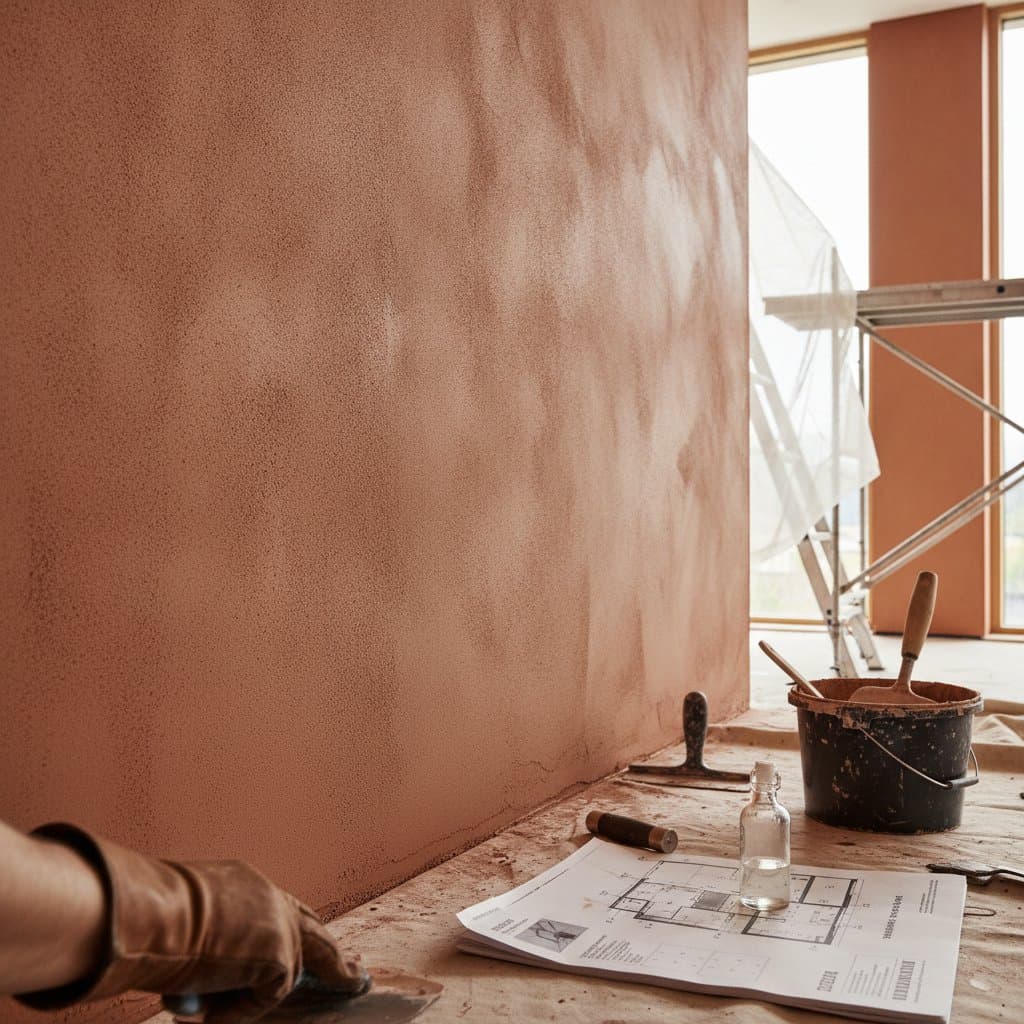
Lime wash constitutes a traditional coating derived from crushed limestone and water. This substance penetrates porous substrates such as brick, plaster, and stone, yielding a subtle, matte appearance that matures elegantly over time. The effect features inherent texture and nuanced color variations that respond to shifting light conditions. As a breathable material, lime wash permits moisture vapor to pass through, thereby safeguarding underlying masonry from deterioration.
Materials for lime wash incur lower expenses, yet specialized labor elevates the overall price. Application demands several thin layers alongside precise preparatory measures to achieve secure bonding. Professionals guarantee uniform results, since improper distribution may lead to streaked outcomes. Individuals seeking an organic, weathered vibe discover in lime wash a genuine, environmentally sound alternative.
Understanding Traditional Paint
Traditional paint serves as the preferred choice for its extensive color options, even surface, and adaptability to diverse substrates. Contemporary acrylic and latex formulations bond effectively to wood, drywall, and pre-existing coatings. These products withstand moisture and ultraviolet exposure, delivering robust protection and straightforward maintenance.
Initial outlays for painting surpass those of lime wash due to primers, high-grade paints, and comprehensive preparation. Labor expenses climb with the necessity for additional layers or intricate trim detailing. Nevertheless, expert applications produce seamless coverage and sustained shielding, particularly for exteriors and interiors demanding periodic renewal.
Comparing Costs Over Time
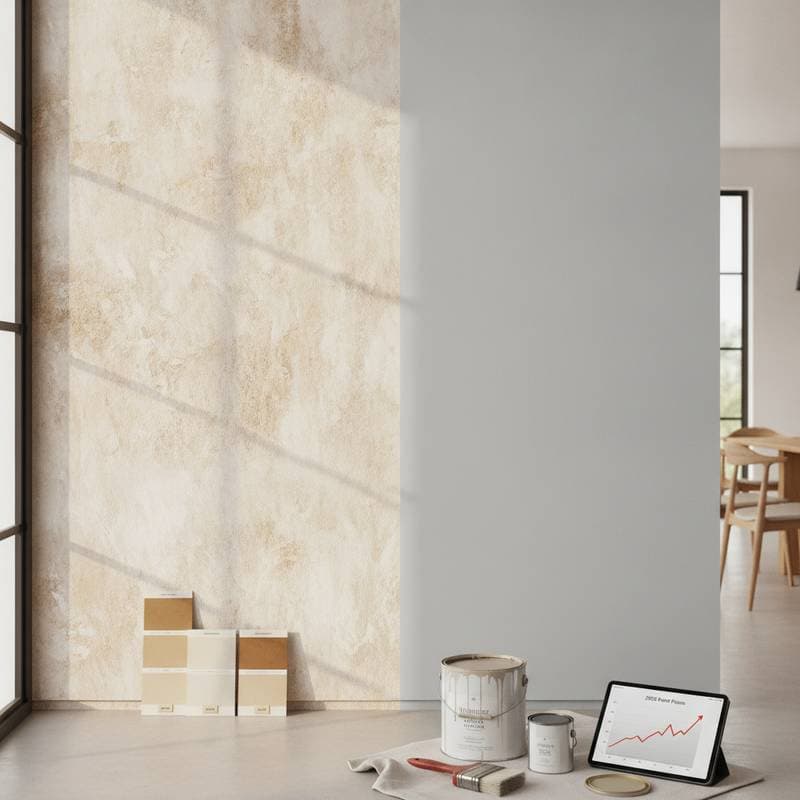
Lime wash presents a lower per-square-foot initial expense, typically $1.50 to $3.00, in contrast to exterior paint at $2.50 to $5.00. Maintenance intervals, however, alter the equation. Lime wash endures gradual weathering and necessitates renewal every five to seven years, comparable to paint cycles that involve spot repairs or complete recoating. Paint maintenance proves simpler and quicker, although lime wash updates cost less and accommodate surface imperfections more readily.
Long-term residents may realize savings through lime wash on brick or stone facades. Sellers or those desiring bold, unwavering hues often deem paint the superior investment. Decisions rest on core preferences, such as enduring patina or sharp, contemporary vibrancy.
Timeline Expectations
| Project Type | Preparation | Application | Total Duration |
|---|---|---|---|
| Lime wash | 1 to 2 days | 2 to 3 days | 3 to 5 days |
| Paint | 2 to 3 days | 2 to 4 days | 4 to 7 days |
Environmental conditions influence drying durations. Lime wash demands extended curing between applications, whereas paint sets more rapidly yet requires thorough envelopment. Property owners benefit from timing projects in temperate seasons to optimize outcomes.
Professional Versus DIY Approaches
Applying Lime Wash Yourself
Homeowners possessing patience and suitable equipment may attempt lime wash. Success relies on meticulous technique, as irregular blending or distribution yields blotchy results. Test patches on inconspicuous zones precede full commitment, and adherence to safety protocols proves essential when managing lime-based substances.
Painting Yourself
Painting offers greater accessibility for novices, provided preparation receives priority. Essential supplies encompass superior brushes, rollers, and protective sheeting. Structures of substantial size or height introduce hazards, rendering professional intervention preferable.
Scenarios Requiring Professionals
- Exteriors on multiple levels
- Preservation of historical masonry
- Precise color coordination or integration
- Time-sensitive endeavors or elaborate trim elements
Selecting and Engaging Contractors
The appropriate contractor secures durable outcomes at equitable rates. Solicit detailed bids specifying materials, labor, and preparatory actions. Review references alongside images from prior lime wash or paint assignments. Confirm licensing and insurance to mitigate risks from incidents or property harm.
Preparing for the Project
Effective preparation minimizes disruptions and enhances finish quality. Clear surrounding areas of furniture, plants, and decorations to facilitate access. Cover non-target surfaces with durable tarps or plastic sheeting to prevent overspray or drips. Inspect the substrate for cracks, loose material, or mold, addressing issues promptly to avoid complications during application. Communicate preferences clearly with the contractor, including desired colors and timelines, to align expectations from the outset.
Aligning Choices with Home Goals
Selecting between lime wash and paint involves weighing aesthetic desires against practical realities. Lime wash suits properties emphasizing natural, breathable finishes on masonry, ideal for historic or rustic styles. Paint excels in modern settings requiring bold colors and low-maintenance durability across varied surfaces. Consider local climate, resale potential, and personal maintenance tolerance to ensure the investment enhances both immediate satisfaction and long-term value.
Frequently Asked Questions
What Factors Determine the Total Cost of Lime Wash or Paint Projects?
Expenses vary with square footage, substrate condition, and labor demands. Porous materials like brick consume greater quantities of product, inflating material fees. Paint often necessitates primers and supplementary layers, whereas lime wash requires deliberate stratification. Local wage standards further shape the final figure.
How Long Do Lime Wash and Paint Finishes Endure Before Maintenance?
Lime wash persists five to seven years prior to refreshment, while superior paint endures seven to ten years alongside periodic touch-ups. Exposure to elements and preparatory quality significantly dictate lifespan.
Is Lime Wash Applicable Over Existing Paint?
Lime wash bonds exclusively to porous bases. Surfaces bearing paint demand stripping or thorough cleansing to expose raw material. Experts evaluate the viability of removal or alternative strategies.
When to Choose a Handyman Over a Painting Contractor?
Handymen handle straightforward lime wash renewals or minor paint corrections. Comprehensive exterior coatings or extensive lime wash efforts necessitate certified specialists equipped for the scale and precision required.
What Occurs During the Project Timeline?
Phases encompass cleaning, readying the surface, applying the coating, and allowing cure time. Contractors initiate with trial sections for hue verification prior to expansion. Regular progress reports maintain transparency and verify alignment with anticipated results.
What Issues Arise with Lime Wash or Paint, and How to Resolve Them?
Challenges include delamination, irregular patterns, or pigment loss. Flaking paint calls for scraping, priming, and reapplication. Blotchy lime wash responds to an extra diluted layer. Scheduled evaluations detect problems early, preserving the coating's integrity.