Lilac-Charcoal Duo: 2026's Bold New Paint Powerhouse
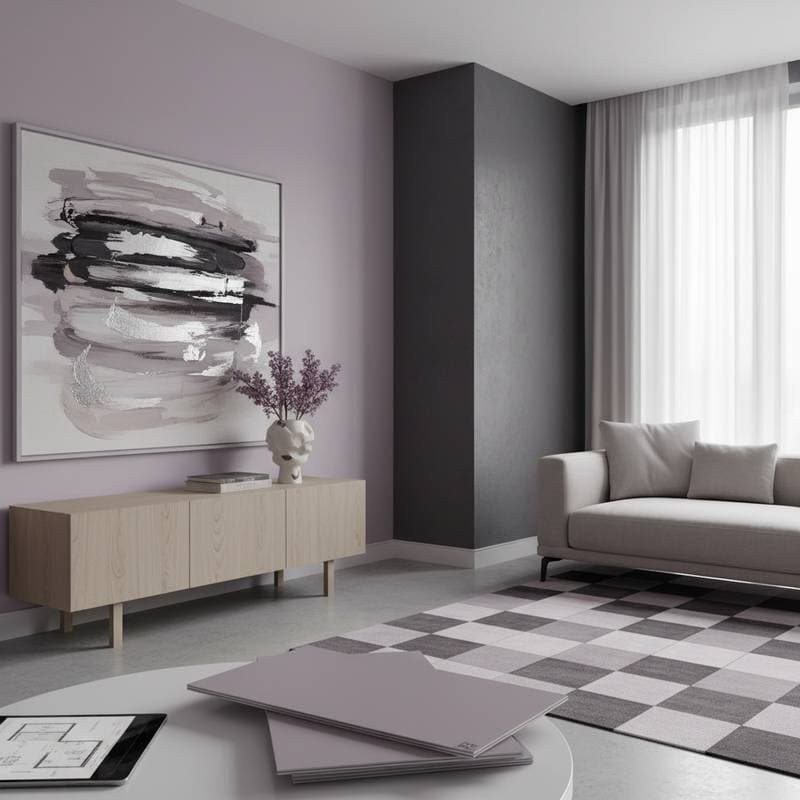
Color trends in interior design evolve periodically, and the lilac-charcoal combination emerges as a transformative force for homes, offices, and creative environments. This pairing contrasts gentle lilac tones with robust charcoal shades to foster equilibrium, assurance, and refinement in contemporary spaces. Homeowners preparing for repaints will find this duo applicable to accent walls, full-room treatments, and even exterior elements. Grasping its visual appeal alongside cost considerations enables effective planning for enduring style and resilience.
Lilac and Charcoal Cost Overview
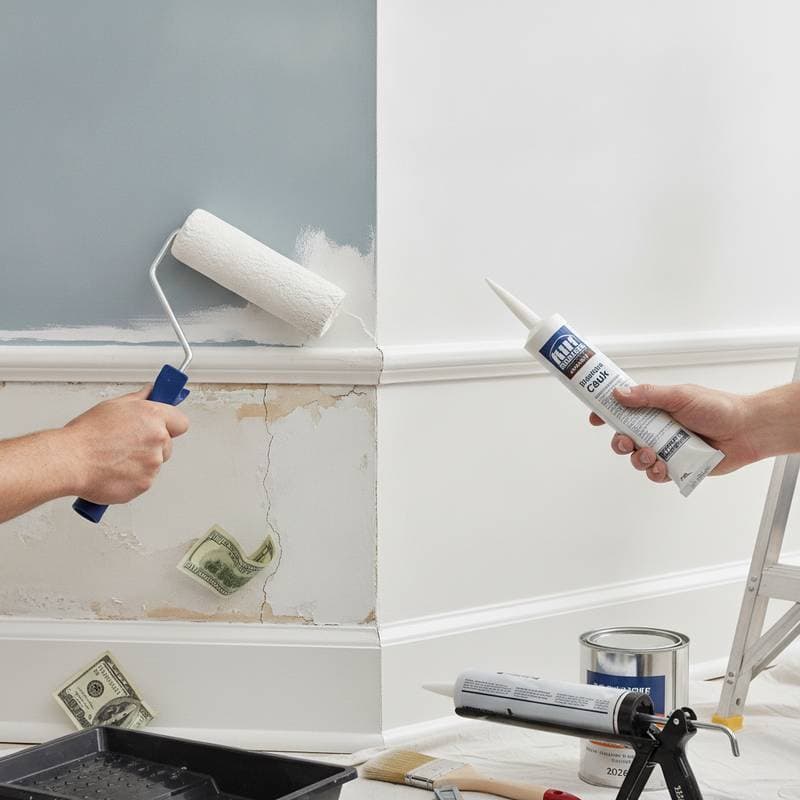
Projects using lilac and charcoal paints generally range from $3 to $7 per square foot, determined by material selections, finish standards, and workforce involvement. A typical room assignment may total $900 to $2,800, whereas comprehensive home transformations often exceed $6,000 with full professional execution. These figures account for variations in paint tiers, preparatory work, and intricate detailing.
Average Cost Ranges by Project Size
- Small space (up to 150 sq. ft.): $450 - $900
- Medium room (200-350 sq. ft.): $900 - $1,800
- Large space or multiple rooms: $1,800 - $3,500
Cost Breakdown per Square Foot
- Materials: $1.25 - $3.25
- Labor: $1.75 - $3.50
- Preparation: $0.50 - $1.00
- Additional design elements: $0.50 - $1.25
Estimates encompass priming, two coats of paint, and essential trim detailing. Options such as specialty textures or advanced finishes elevate the overall expense.
Factors Affecting Lilac-Charcoal Painting Costs
1. Surface Preparation
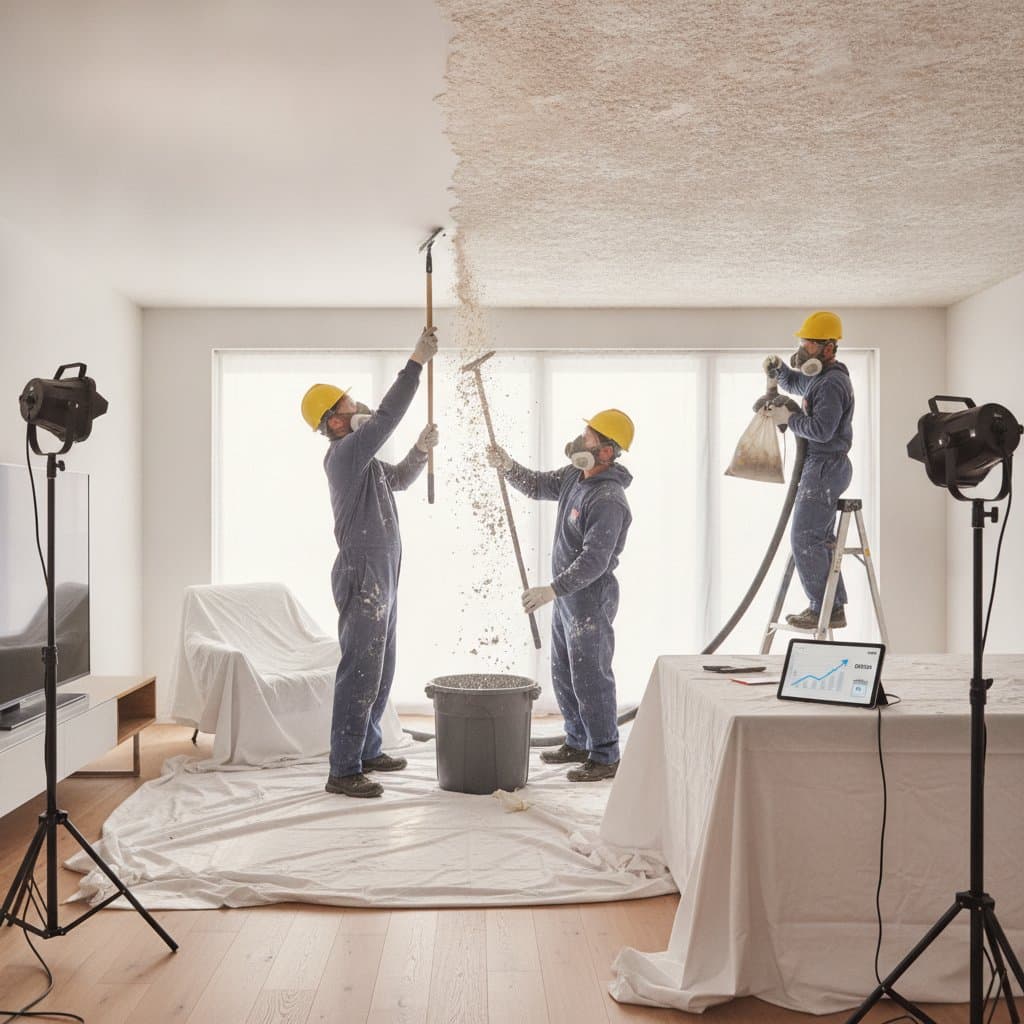
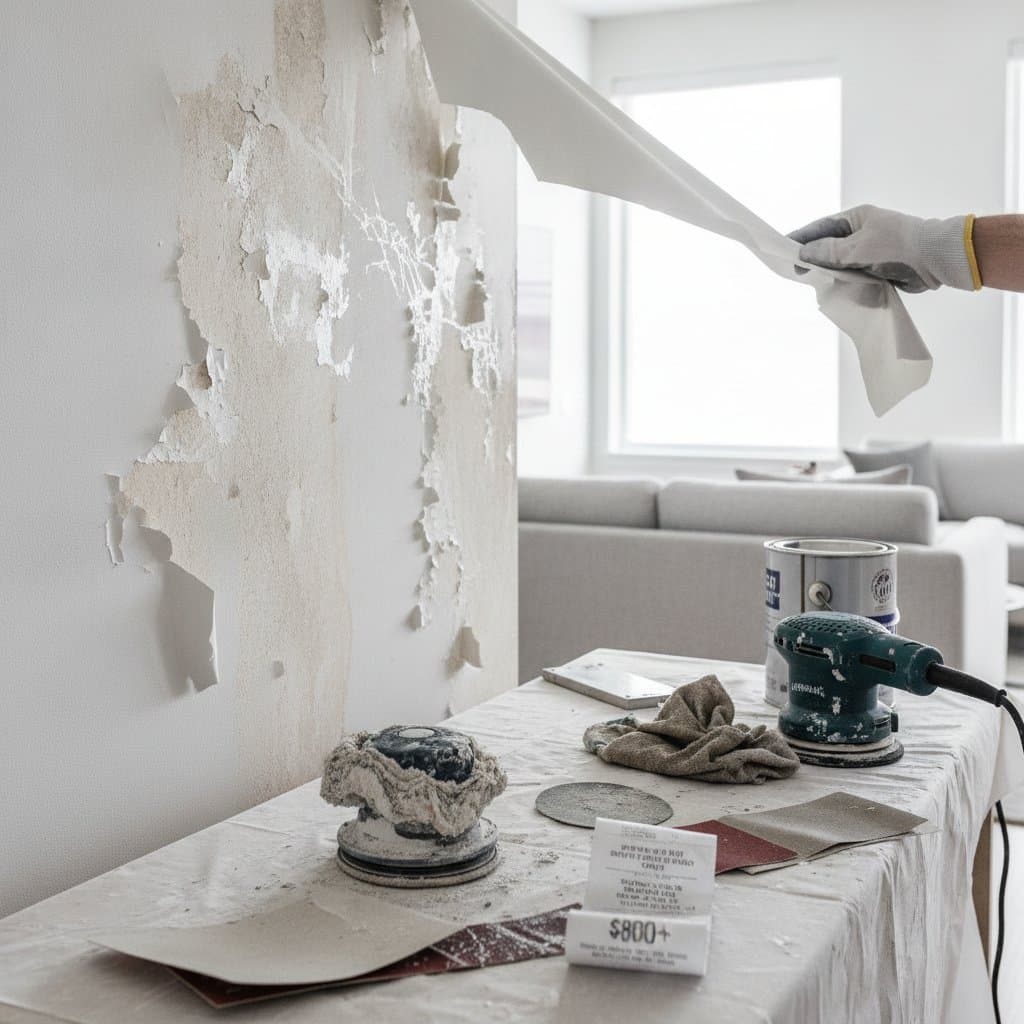
Surfaces needing repairs like patching, sanding, or stain mitigation demand extra time and resources. Extensive smoothing or fixes can raise project expenses by 10 to 20 percent. Pristine, intact walls minimize labor duration and material consumption.
2. Paint Quality
Selections among entry-level, mid-range, and high-end paints impact longevity and efficiency. Superior paints provide enhanced pigmentation, superior stain barriers, and extended service life. Initial higher costs yield savings through infrequent reapplications.
3. Finish Type
Finishes applied to lilac or charcoal sections alter both expense and visual outcome. Matte variants prove economical and conceal flaws yet attract marks readily. Satin and eggshell options incur modest premiums while offering cleanable safeguards. Glossy or semi-gloss treatments accentuate trim and invigorate bold shades, though they necessitate expert handling for flawless execution.
4. Design Complexity
Basic monochromatic applications proceed swiftly. Incorporations of dual shades, focal walls, or segmented patterns demand heightened accuracy and effort. Elaborate configurations, including angular charcoal outlines or lilac fade effects, inflate costs by 15 to 30 percent.
5. Regional Labor Rates
Workforce charges differ significantly by location. Metropolitan zones command elevated fees from operational expenses, whereas countryside areas present more affordable options. Solicit multiple bids from specialists to evaluate pricing and confirm project specifications.
Detailed Cost Analysis by Paint Quality
| Paint Quality Level | Basic Range | Standard Range | Premium Range | Key Differences |
|---|---|---|---|---|
| Interior Wall Paint | $25 - $35 per gallon | $40 - $60 per gallon | $65 - $90 per gallon | Pigment density, coverage, and washability |
| Primer | $15 - $25 per gallon | $30 - $45 per gallon | $50 - $65 per gallon | Adhesion strength and stain resistance |
| Trim and Accent Paint | $30 - $45 per gallon | $50 - $70 per gallon | $80 - $100 per gallon | Durability and gloss retention |
Standard room requirements involve 2 to 3 gallons of primary paint, alongside primer and accent layers. Top-tier selections prolong usability and counter discoloration, essential for intense charcoal depths or subtle lilac nuances.
The Value of Balance and Contrast
Return on Investment Perspective
Interior painting ranks among economical enhancements for property appreciation. New coats typically recover 60 to 90 percent of investment upon sale. The lilac-charcoal scheme delivers contemporary permanence, injecting vitality that captivates prospective buyers. Meticulous execution with reliable paints guarantees sustained performance, curtailing maintenance demands.
Money-Saving Strategies
- Prep the space yourself: Clear furnishings, cleanse surfaces, and secure edges in advance to trim professional hours.
- Choose washable mid-tier paints: Mid-level formulations provide reliable outcomes at reduced rates compared to elite lines.
- Bundle multiple rooms: Aggregating tasks frequently secures discounted labor for expansive undertakings.
- Schedule during off-peak seasons: Service providers extend favorable terms amid quieter periods.
- Accent strategically: Apply charcoal to a single prominent wall and extend lilac across the balance to generate impact with minimal resource duplication.
Planning Your Budget
DIY vs Professional Painting
Self-directed painting slashes labor fees, often halving totals. Outcomes hinge on expertise, tools, and scheduling. Specialists deliver streamlined processes, sharp demarcations, and thorough groundwork. Intricate lilac-charcoal arrangements or stark delineations benefit from professional precision, justifying added expenditure for superior, persistent quality.
Long-Term Maintenance
Premium paints withstand color loss and ease upkeep. Charcoal applications reveal particulates or imprints prominently, warranting satin or resilient finishes in active zones. Lilac variants diminish under intense light exposure, positioning UV-protective layers as prudent for sunlit interiors.
Frequently Asked Questions
1. What is the average cost for lilac-charcoal painting projects?
Professional services range from $3 to $7 per square foot, covering labor and supplies. Variations stem from spatial dimensions, material standards, and detailing demands.
2. What factors have the biggest impact on lilac-charcoal project costs?
Primary influencers encompass preparatory efforts, finish selections, and paint classifications. Elaborate schemes such as highlighted walls or blended tones escalate labor through exacting needs.
3. How can I save money on this color trend without losing quality?
Opt for durable standard paints, handle initial preparations independently, and confine charcoal to focal zones. Merging personal prep with expert completion balances economy and endurance.
4. Should I hire professionals or attempt this as a DIY project?
DIY suits modest, straightforward areas with adequate dexterity and time. Expansive or varied-color endeavors favor specialists for defined boundaries and uniform application, critical for tonal disparities like lilac against charcoal.
5. How do I budget for unexpected costs?
Incorporate a 10 to 15 percent reserve into estimates for unforeseen fixes, extra layers, or accessory improvements. Such provisions safeguard against fiscal pressures from emergent challenges.
6. When is the best time to start this project for the lowest costs?
Late winter through early spring yields keen competition as providers secure workloads. Early reservations facilitate optimal slots and enhanced service access.
Achieving Timeless Elegance with Lilac-Charcoal
Embracing the lilac-charcoal palette equips spaces with versatile allure that withstands evolving tastes. Strategic budgeting and quality choices maximize aesthetic returns while minimizing upkeep. Consult local experts to tailor this trend, ensuring your interiors reflect modern poise and practical sophistication.