Level 5 Drywall Finish Sets New Luxury Home Standard
Homeowners seeking a flawless, high-end look for interior walls are increasingly turning to the Level 5 drywall finish. This finish represents the top tier of drywall smoothness and visual perfection. It eliminates the subtle imperfections that lower levels may leave behind.
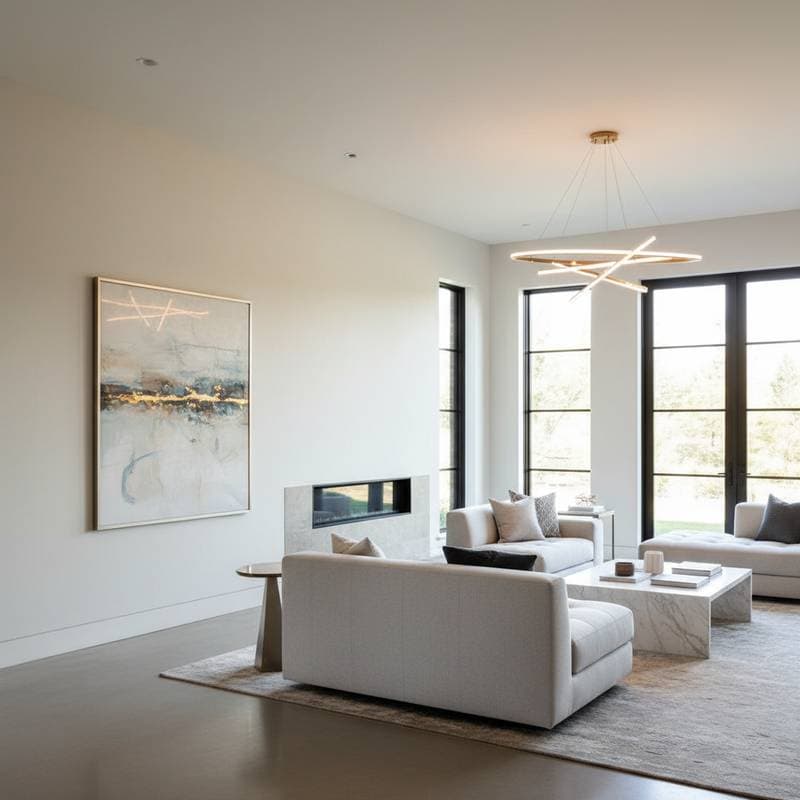
The Level 5 finish creates walls and ceilings with a uniform, ultra-smooth surface. It is ideal for luxury homes and is now viewed as a defining feature in premium construction and remodeling projects. The cost of achieving a Level 5 finish is higher than lower-grade drywall work, yet the results provide unmatched refinement and value.
Average Cost Ranges by Project Size
- Small room (up to 150 sq. ft.): $450 to $750
- Medium room (150 to 300 sq. ft.): $750 to $1,500
- Large room (300 to 500 sq. ft.): $1,500 to $2,800
These ranges include materials, labor, and surface preparation. High-end or complex spaces that require extensive detailing may cost more.
Cost Breakdown per Square Foot
On average, a Level 5 drywall finish costs $2.50 to $4.50 per square foot. This total includes materials at $0.50 to $1.25 per square foot, labor at $1.50 to $2.75 per square foot, preparation at $0.25 to $0.50 per square foot, and additional factors at $0.25 to $0.75 per square foot. The final price depends on room size, drywall condition, design complexity, and regional labor rates.
Factors Affecting Level 5 Drywall Finish Costs
Several variables influence the price of a Level 5 finish. Understanding these helps homeowners budget effectively.
Surface condition plays a major role. New drywall requires less preparation than older surfaces that may have dents, seams, or patchwork areas. Uneven surfaces need extra sanding, skim coating, and sealing, which can add $0.50 to $1.00 per square foot.
Room size and layout also matter. Large, open rooms are more cost-efficient per square foot than small or segmented areas. Tight corners, vaulted ceilings, and built-in architectural elements increase labor time and cost.
Lighting conditions affect the required effort. Spaces with abundant natural or directional lighting reveal every imperfection. Contractors must apply multiple skim coats and sanding passes to achieve a flawless result.
Material quality and labor skill further shape outcomes. Premium joint compounds, sealers, and primers improve durability and smoothness. Higher-quality materials may raise the total project cost by 10 to 20 percent. Professional contractors with specialized experience command higher labor rates but deliver superior results.
Detailed Cost Analysis by Finish Category
| Finish Level | Basic Range | Standard Range | Premium Range | Key Differences |
|---|---|---|---|---|
| Level 3 | $1.00 to $1.75 | $1.75 to $2.25 | $2.25 to $2.50 | Acceptable for garages or utility areas with visible texture |
| Level 4 | $1.75 to $2.50 | $2.50 to $3.00 | $3.00 to $3.50 | Common in most homes, smooth but not flawless |
| Level 5 | $2.50 to $3.50 | $3.50 to $4.00 | $4.00 to $4.50 | Premium smoothness, ideal for luxury interiors and critical lighting |
Value and ROI Considerations
A Level 5 finish enhances both visual appeal and property value. Its seamless surface creates a refined backdrop for high-end paint, lighting, and design elements. Real estate professionals often note that homes with premium finishes appear more polished.
From a maintenance perspective, the smooth coating minimizes visible defects over time. This durability reduces the need for future patching or repainting. For luxury homes or spaces with modern minimalist design, the investment delivers a strong balance between beauty and practicality.
Money-Saving Strategies
Even though Level 5 finishing carries a premium cost, several strategies can reduce expenses without compromising quality.
- Combine projects. Tackling multiple rooms at once helps reduce setup and cleanup time, lowering the per-square-foot cost.
- Handle basic prep work. Homeowners can remove furniture, cover floors, and clean walls before the contractor arrives.
- Choose optimal timing. Scheduling work during slower construction periods can secure better rates.
- Use quality mid-range materials. Premium joint compounds are worth the investment, but some mid-tier options provide nearly identical results when applied by skilled professionals.
- Request detailed quotes. Comparing itemized estimates helps identify fair pricing and avoid hidden fees.
Planning Your Budget
A well-structured budget ensures the project runs smoothly. Begin by estimating total wall and ceiling square footage, then multiply by the average per-square-foot cost. Add a contingency fund of about 10 to 15 percent for unexpected repairs or adjustments.
Review quotes carefully to confirm all steps are included, such as taping, mudding, sanding, skim coating, priming, and cleanup. A Level 5 finish is especially worthwhile in open spaces, hallways, and rooms where natural light or accent lighting highlights wall surfaces. For less visible areas, a Level 4 finish may suffice.
Professional vs DIY Considerations
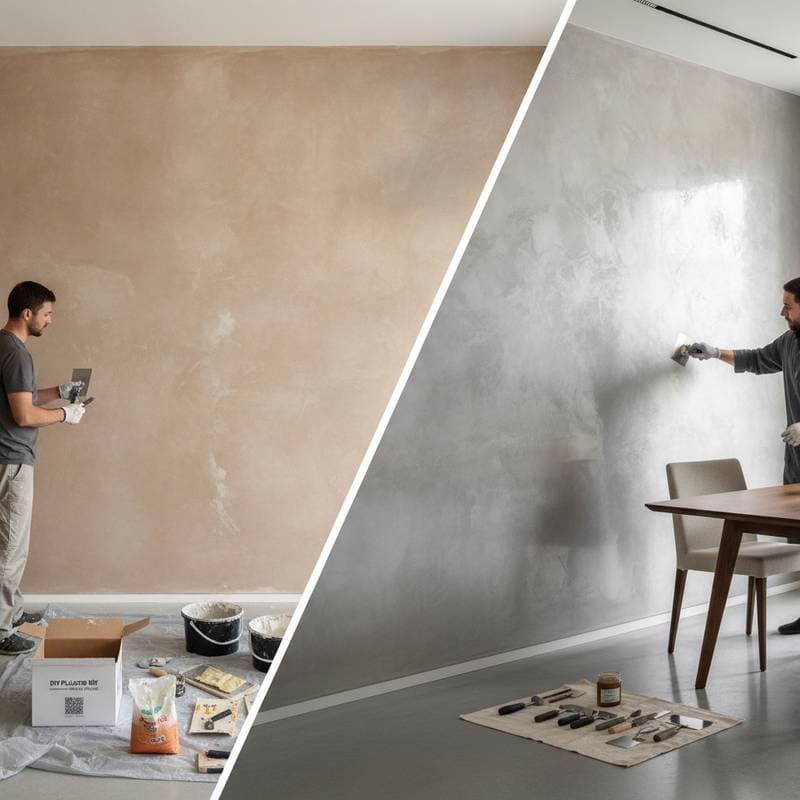
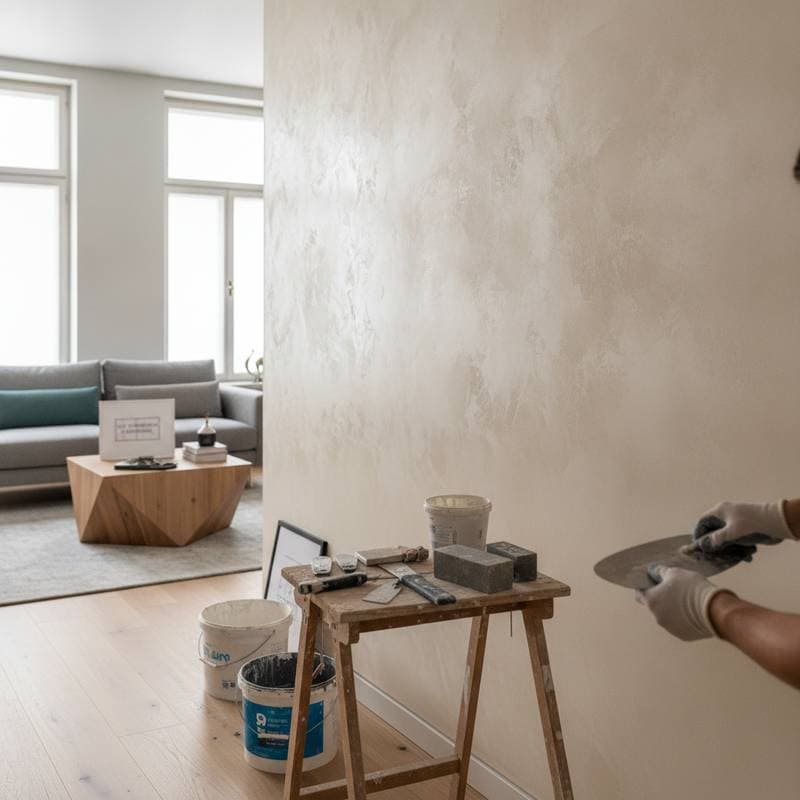
While some homeowners may attempt drywall finishing themselves, Level 5 work requires advanced precision. The process involves several coats of compound, careful sanding, and a full skim coat to eliminate even microscopic imperfections. Achieving uniform smoothness across large surfaces is time-intensive and difficult without professional equipment and experience.
Professional finishers bring expertise, specialized tools, and efficient workflow. Their results are consistent and ready for high-quality paint. The added expense of hiring professionals is justified by long-term value and time savings. A DIY approach might save labor costs but often leads to uneven surfaces that become visible after painting.
Quality Differentiation Across Tiers
Level 5 drywall represents the peak of surface perfection. Lower levels provide adequate results for standard homes, but they do not match the subtle elegance of a Level 5 wall. The difference becomes especially apparent under direct lighting.
Level 3 is sufficient for utility spaces, garages, or basements where wall perfection is not a concern. Level 4 is common in most homes and suitable for standard paint finishes and moderate lighting. Level 5 is required for gloss or semi-gloss paints, critical lighting conditions, and luxury finishes.
Assessing Your Project Needs
Homeowners should evaluate room visibility, lighting conditions, and long-term maintenance goals before selecting a finish level. High-visibility areas benefit most from the added smoothness of Level 5 work. Secondary spaces can often achieve satisfactory results with Level 4 at a lower cost.
Frequently Asked Questions
1. What is the average cost of a Level 5 drywall finish?
Most homeowners spend between $2.50 and $4.50 per square foot, depending on room size, drywall condition, and regional labor costs. High-end spaces with complex lighting or design may reach the top of this range.
2. What factors influence Level 5 drywall pricing the most?
Key factors include surface condition, room layout, lighting intensity, material quality, and labor skill. Smooth new drywall costs less than repairing older or damaged surfaces.
3. How can I reduce costs without losing quality?
Homeowners can prepare rooms before the contractor arrives, schedule during slower seasons, and choose mid-range materials that still deliver smooth results. Comparing detailed quotes also helps identify fair pricing.
4. Is Level 5 drywall worth it for every room?
Not always. High-visibility areas such as living rooms, hallways, and master suites benefit most. Utility rooms or secondary spaces can often use a Level 4 finish to control costs.
5. Should I attempt a Level 5 finish myself?
DIY finishing requires advanced skill. Achieving a flawless result is difficult without professional tools and experience. Hiring a professional ensures a smoother surface and saves time.
6. When is the best time to schedule a drywall finishing project?
The best time is during moderate weather and off-peak contractor periods. Demand often affects pricing, so scheduling early and allowing flexibility can lead to better rates and availability.