Which Method Excels for Lead Paint Removal: Sanding or Chemical Strippers?
Lead paint removal ranks among the most sensitive surface preparation tasks that homeowners encounter. This process demands rigorous safety protocols, appropriate equipment, and a thorough grasp of method comparisons. The primary options include sanding and chemical stripping, each offering distinct benefits in terms of efficiency, expense, and application suitability. Homeowners often prioritize speed, yet genuine effectiveness hinges on safety measures, surface characteristics, and enduring outcomes.
This guide delivers an in-depth analysis of sanding versus chemical strippers for lead paint removal. It covers operational mechanics, influences on duration, and strategies for selecting the optimal path to achieve secure, proficient results.
Cost and Time Benchmarks
Sanding and chemical stripping exhibit variability in duration and expense, influenced by surface area, paint accumulation, and task intricacy.
Typical Project Durations and Expenses
- Sanding removal: Ranges from $8 to $15 per square foot.
- Chemical stripping: Ranges from $10 to $18 per square foot.
Experienced contractors typically finish small rooms within one to two days. Larger endeavors may extend over several days or weeks, accounting for preparatory steps, drying periods, and decontamination procedures.
Duration per Square Foot
- Sanding: Requires 10 to 25 minutes per square foot, encompassing dust management preparation.
- Chemical strippers: Demands 20 to 40 minutes per square foot, incorporating application, waiting intervals, and residue removal.
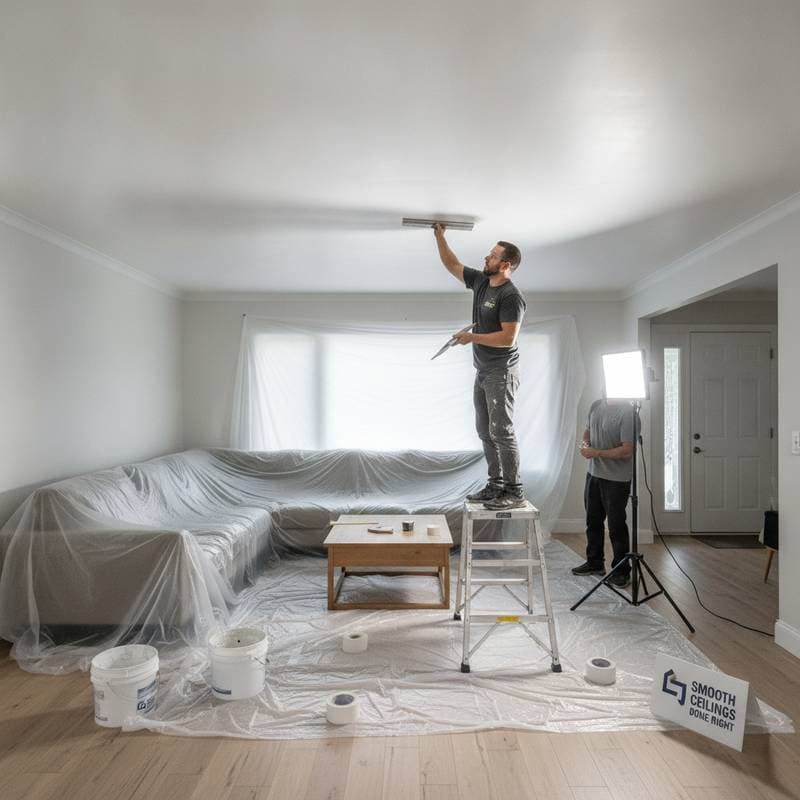
Sanding may seem more rapid initially, but obligations for enclosure, decontamination, and adherence to lead-safe protocols frequently diminish this edge.
Comprehensive Method Comparison
| Method | Speed | Cost Range (per sq. ft.) | Safety Level | Cleanup Time | Best For |
|---|---|---|---|---|---|
| Sanding (HEPA-assisted) | Moderate | $8 - $15 | Medium risk; full containment required | High | Flat surfaces and confined areas |
| Chemical Strippers | Slower application; quicker overall | $10 - $18 | Reduced dust; fume management needed | Moderate | Ornate trim, complex surfaces, thick layers |
Assessing Safety and Ecological Effects
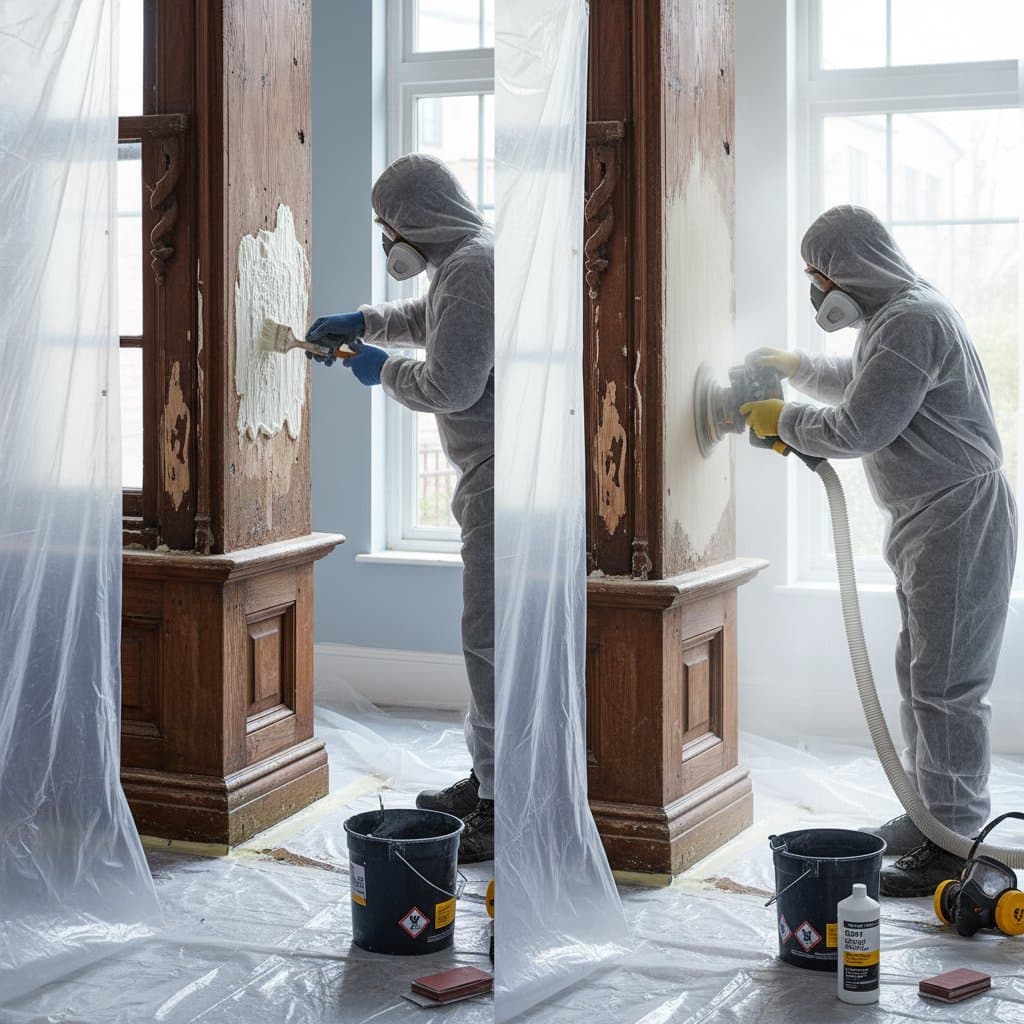
Sanding, despite HEPA vacuum integration, disperses fine lead particulates into the atmosphere. These particles can infiltrate textiles, ventilation systems, and floor coverings, posing persistent pollution hazards. Experts implement airtight enclosures and ongoing suction to maintain particulate concentrations below permissible thresholds.
Chemical strippers minimize aerial lead dissemination yet necessitate precise manipulation and airflow to mitigate vapor hazards. Earlier formulations relied on aggressive solvents, whereas contemporary versions employ eco-compatible, low-emission compounds suitable for interior use. Proper handling of resultant sludge complies with hazardous material disposal standards.
Stripping extends time per segment but frequently accelerates total project completion through simplified residue management and diminished contamination potential.
Cost-Reduction Techniques
- Integrate approaches judiciously. Apply sanding to broad, reachable expanses and chemical stripping to elaborate features. Such a blended tactic optimizes velocity and security.
- Handle preliminary tasks independently. Homeowners can relocate furnishings, shield flooring, and establish barriers to lower professional labor charges.
- Opt for contemporary, sustainable strippers. These products demand fewer coats and facilitate residue disposal compared to traditional solvent variants.
- Time projects for low-demand periods. Service providers might extend discounted pricing during quieter months, thereby curbing overall expenditures.
- Solicit itemized estimates. Proposals delineating labor, supplies, and waste management enable pinpointing opportunities for economies.
Selecting the Optimal Removal Strategy
Homeowners confronting lead paint challenges must weigh multiple variables beyond mere quickness. Surface texture dictates method viability; smooth planes suit sanding, while filigreed elements benefit from strippers. Layer density further sways choices, as thick coatings prolong sanding efforts and amplify dust generation.
Professional involvement ensures compliance with regulatory standards, safeguarding health and property value. By prioritizing containment and certified practices, individuals avoid costly remediation down the line. Ultimately, informed selection yields a pristine, hazard-free environment that endures.
Frequently Asked Questions
What Method Provides the Quickest Lead Paint Removal?
Sanding accelerates progress on compact, level areas, yet strippers often streamline the complete workflow when factoring in preparatory and finishing stages. Outcomes depend on coating density, feature complexity, and protective mandates.
Which Elements Most Influence Removal Duration?
Surface configuration, paint stratification, and enclosure arrangements exert the greatest effects. Substantial deposits or decorative moldings typically advantage chemical stripping, whereas uncomplicated planes permit streamlined sanding.
In What Ways Can Expenses for Lead Paint Removal Decrease?
Contribute to initial setup, blend techniques purposefully, and obtain comparative bids. Aligning with seasonal lulls and selecting green alternatives further trims budgets.
Does Professional Assistance Outweigh DIY for Lead Paint Removal?
Lead paint abatement seldom qualifies as a homeowner endeavor. Specialists deploy advanced filtration, isolation protocols, and validated waste processes to preserve dwelling integrity and occupant well-being. Amateur sanding absent adequate gear risks widespread dispersal.
How Should One Allocate for Potential Overruns?
Reserve 10 to 20 percent above projected figures. Supplementary barriers, extra stripping rounds, or intensified decontamination may elevate totals.
When Does Lead Paint Removal Scheduling Optimize?
Temperate climates enhance chemical ventilation and surface curing. Provider schedules loosen in off-seasons, potentially moderating fees.