EPA 2026 Rules Push Safer TSP Alternatives That Work
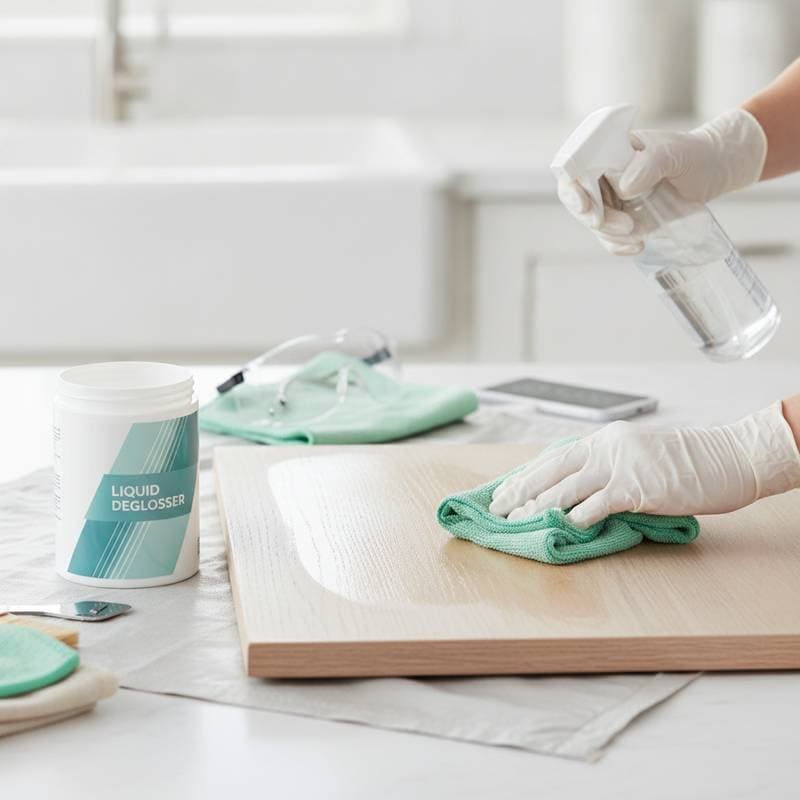
Surface preparation stands as one of the most critical steps in any painting project. A properly cleaned and deglossed surface ensures that new coatings adhere smoothly, last longer, and resist peeling or bubbling. For decades, Trisodium Phosphate (TSP) served as the standard cleaner for professional painters and homeowners. This product effectively cuts through grease, removes grime, and dulls glossy finishes. However, increasing environmental concerns and stricter EPA regulations now reshape surface preparation practices.
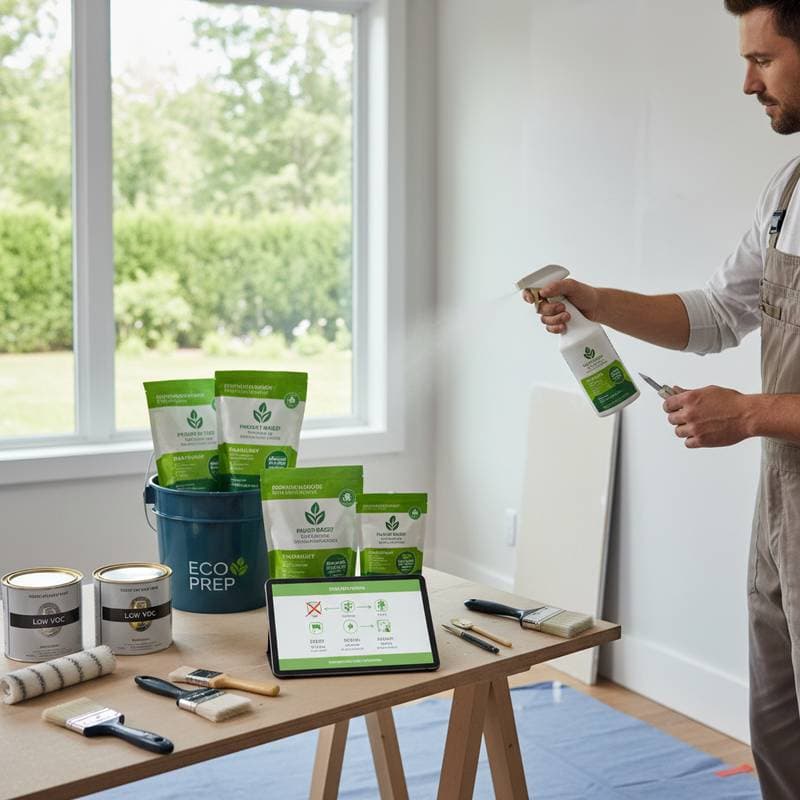
The EPA plans to phase out phosphate-based cleaners by 2026, compelling contractors and homeowners to adopt safer, eco-friendly alternatives. This transition emphasizes sustainability while maintaining high standards of quality. Modern phosphate-free substitutes now deliver cleaning power that matches or surpasses traditional TSP, all while posing fewer risks to human health and the environment.
The Cost of Transitioning to Eco Alternatives
Shifting from conventional TSP to eco-friendly products may involve an initial financial adjustment. Traditional TSP powder generally costs between $5 and $10 per pound, whereas eco alternatives range from $8 to $20, depending on concentration and brand. Although the upfront price per container appears higher, many eco cleaners feature concentrated formulas that cover larger surface areas with less product. As a result, the overall cost difference diminishes over time, and savings often emerge in the long term.
For professional painters, surface preparation expenses typically range from $0.30 to $0.80 per square foot. Adopting eco solutions might increase material costs modestly, yet labor and performance levels stay consistent. Consider a standard interior paint job spanning 1,000 square feet: the additional expense for eco-friendly cleaning materials could total $20 to $50, a modest investment for achieving compliance and promoting sustainability.
Average Cost Ranges by Project Size
- Small project (bathroom or accent wall): $40 to $100 for cleaning and prep
- Medium project (single room): $120 to $250 for cleaning and prep
- Large project (multi-room or exterior): $300 to $800, depending on surface condition and accessibility
These estimates encompass cleaning agents, labor for scrubbing, rinsing, and drying, plus any required safety gear or equipment.
Cost Breakdown per Square Foot
Eco surface cleaning averages $0.35 to $0.90 per square foot, broken down as follows:
- Materials: $0.10 to $0.30 per square foot
- Labor: $0.20 to $0.50 per square foot
- Preparation and drying: $0.05 to $0.10 per square foot
The precise total varies based on the surface's existing condition, the selected cleaner type, and local labor rates.
Factors Affecting Surface Prep Costs
Multiple elements influence the expense of surface preparation using eco-friendly TSP alternatives.
Surface condition: Walls with heavy stains or grease demand more product and effort. Kitchens, garages, and exteriors exposed to pollutants often incur higher cleaning costs to achieve thorough results.
Type of cleaner: Options include plant-based formulas or those using mild detergents and surfactants. Concentrated versions cost more per gallon but provide extended use.
Accessibility: Tasks involving high ceilings, exterior siding, or detailed trim extend labor time. Additional ladders, scaffolding, or safety protocols contribute to elevated expenses.
Water usage and disposal: Eco products frequently require minimal rinsing, which conserves time and water. Traditional TSP, by comparison, necessitates extensive rinsing to eliminate residue, thereby increasing labor demands.
Regional market: Expenses for labor and materials differ by location. Urban areas typically feature higher hourly rates for painters and cleaning teams than rural settings.
Detailed Cost Analysis by Cleaning Category
| Cleaning Category | Basic Range | Standard Range | Premium Range | Key Differences |
|---|---|---|---|---|
| Degreasing Walls | $0.25 - $0.50 | $0.50 - $0.75 | $0.75 - $1.10 | Intensity of cleaning solution, number of applications |
| Surface Etching | $0.20 - $0.40 | $0.40 - $0.60 | $0.60 - $0.90 | Mild abrasives or natural agents to dull glossy finishes |
| Mold and Mildew Removal | $0.30 - $0.60 | $0.60 - $0.90 | $0.90 - $1.30 | Eco antifungal ingredients and specialized rinsing steps |
| Metal and Exterior Prep | $0.35 - $0.70 | $0.70 - $1.00 | $1.00 - $1.50 | Rust inhibitors and biodegradable metal cleaners |
Understanding Eco TSP Alternatives
Contemporary eco TSP substitutes replicate the cleaning efficacy of TSP without incorporating phosphates. Phosphates promote water pollution and algal blooms when they enter storm drains, which led the EPA to impose restrictions. These alternatives utilize biodegradable surfactants, natural salts, and solvents derived from citrus or soy that decompose harmlessly.
Common Eco Alternatives
- Sodium carbonate-based cleaners: Frequently marketed as TSP-PF (phosphate-free), these provide degreasing power similar to TSP with enhanced environmental compatibility.
- Citrus or soy-based cleaners: Sourced from renewable materials, they effectively dissolve oils and residues while producing little odor.
- Enzyme-based degreasers: These biologically driven cleaners target organic matter, proving ideal for kitchens and bathrooms.
- Vinegar and baking soda blends: Basic, economical mixtures work well for light cleaning on smaller painting areas.
Selection depends on the surface material and contamination level. For demanding tasks, professional-grade phosphate-free cleaners deliver the most dependable outcomes.
Value and Return on Investment
Adopting eco alternatives yields environmental and practical advantages. In addition to meeting regulations, these products safeguard local ecosystems and minimize future maintenance needs. Paint applied to well-prepared surfaces endures longer, reducing the need for frequent repaints and generating cost savings.
Property owners benefit from increased durability and fewer repairs. A thorough eco-friendly cleaning routine can prolong paint life by two to three years relative to inadequately prepped surfaces. Although initial preparation costs may rise slightly, the extended benefits far exceed them.
Money-Saving Strategies
Homeowners and contractors can control expenses through targeted approaches.
- Purchase concentrated cleaners and dilute them according to project needs to extend usage.
- Perform initial cleaning with mild soap on lightly soiled areas to conserve specialized products.
- Prioritize intensive cleaning in high-traffic zones like kitchens, bathrooms, and driveway-adjacent exteriors.
- Integrate cleaning with a surface inspection to detect cracks, loose paint, or mildew early and avoid costly fixes.
- Time purchases for off-peak painting seasons, when eco product prices often decrease.
Planning Your Budget
Budgeting for surface preparation begins with evaluating the project's scope. Measure the area to clean and apply the average per-square-foot cost range. Include a 10 to 15 percent contingency for surprises, such as persistent stains or humidity that delays drying.
For extensive projects, request contractors to itemize cleaning and painting costs in proposals. This detail facilitates comparisons of methods, materials, and efficiency. Verify that bids specify eco-friendly agents, as lower quotes might still include soon-to-be-restricted phosphate products.
Professional vs DIY Eco Surface Prep
DIY cleaning offers potential savings, though it requires consideration of time and safety.
DIY approach:
- Material cost: $20 to $60 for cleaners and tools
- Time: 3 to 6 hours for a medium-sized room
- Skill level: Moderate, with emphasis on thorough rinsing and proper ventilation
Professional service:
- Total cost: $150 to $400 for comparable space
- Time: 1 to 2 hours using commercial equipment
- Quality: Uniform results, negligible residue, and adherence to EPA standards
DIY suits small, straightforward areas with minimal buildup. Professionals excel in large-scale, exterior, or heavily soiled projects, providing tools and expertise to prevent adhesion problems.
Environmental and Health Considerations
Phosphate-free cleaners enhance indoor air quality and protect outdoor environments. Conventional TSP irritates skin and eyes, necessitating protective gloves and goggles. It also risks leaving residues that hinder paint adhesion without meticulous rinsing. Eco options prove gentler, rinse more completely, and release fewer volatile compounds.
Individuals with children, pets, or respiratory issues often prefer eco cleaners for their reduced chemical exposure. These products align with broader sustainability objectives while simplifying use.
Implementing Eco-Friendly Prep for Lasting Results
To future-proof painting practices, integrate eco alternatives into routine preparation. Start by selecting cleaners certified as phosphate-free and test them on inconspicuous areas to confirm compatibility. Pair cleaning with proper drying techniques, such as using fans in humid conditions, to optimize adhesion.
Track project outcomes to refine approaches over time. Document costs and results to build a reliable budget template for future work. This proactive method ensures compliance with EPA standards while delivering durable, professional finishes.
Frequently Asked Questions
What is the average cost of switching to eco TSP alternatives?
Expect to pay $8 to $20 per gallon for professional-grade eco cleaners. For a typical room, material costs range from $20 to $50, with overall surface prep averaging $0.35 to $0.90 per square foot based on condition and labor.
Which factors affect the cost of eco surface preparation the most?
Surface condition, accessibility, and cleaner concentration exert the strongest influence. Greasy or stained walls call for robust solutions and extra labor, while elevated or textured surfaces require more time and tools.
How can I save money while still using eco-friendly cleaners?
Opt for concentrates and dilute appropriately, begin with mild soap on low-soil areas, and target high-traffic zones for intensive treatment. Arrange work in cooler or off-peak months to potentially lower labor rates.
Should I hire professionals or try eco surface prep myself?
DIY works for small spaces and light cleaning. Professionals handle large projects, exteriors, or heavy residue best, offering specialized equipment and EPA-compliant materials.
How do I budget for unexpected costs during prep work?
Incorporate a 10 to 15 percent buffer for items like additional cleaner, extended rinsing, or repairs revealed during cleaning. This provision prevents interruptions or subpar preparation.
When is the best time to begin eco-friendly surface preparation?
Spring and early fall provide temperate weather and reduced humidity for optimal drying. Off-season timing may yield greater contractor availability and lower material prices.