2026's Dopamine Colors: Joyful Yellows and Coral Pinks
Color profoundly influences ambiance. When applied thoughtfully to walls or furnishings, a single hue can alter the emotional tone of a room. The emerging design movement centers on dopamine colors, vibrant shades that evoke happiness and vitality. Leading this trend are joyful yellows and coral pinks, which introduce warmth, optimism, and a sense of sunshine to interiors. These colors offer an engaging, emotionally resonant approach to decoration that remains practical and inviting.
Why Dopamine Colors Work
Dopamine colors derive their name from their ability to stimulate positive emotions, akin to the neurotransmitter associated with pleasure. These shades stand out for their boldness and expressiveness, avoiding subtlety in favor of confidence. They interact with the brain's response to light and warmth, fostering increased energy and well-being. In home settings, such colors convert mundane areas into environments that promote comfort and joy.
Consider color as a form of therapeutic intervention via paint application. A vibrant yellow in the kitchen imparts invigorating morning light. Coral pink in a bedroom evokes serene sunset tones. These selections manifest happiness visually, enhancing the sensory experience of a space.
The Two Power Players: Joyful Yellow and Coral Pink
Examine the reasons these shades command attention in contemporary design.
Joyful Yellow: This variant avoids the harshness of neon tones, opting instead for a soft, buttery glow reminiscent of sunlight. It conveys cheerfulness without intensity, suiting applications like accent walls, interior shelving, or entry doors that greet visitors with immediate hospitality. The color enhances spatial flow and invites natural light to amplify its effect.
Coral Pink: Positioned between pink and orange, coral pink achieves a harmonious warmth that feels both invigorating and gentle. It complements various skin tones, making it ideal for bathrooms, bedrooms, and foyers. In natural illumination, coral pink emits a subtle radiance, maintaining elegance without dominance.
Both hues excel in photographic contexts, appearing consistently under diverse lighting. They maintain color integrity on camera, a quality honed through professional experience with varied setups. This reliability ensures they enhance visual narratives without distortion.
How to Use Dopamine Colors in Real Life
Incorporate these colors gradually to assess their impact without overcommitting. Begin with targeted applications to build familiarity and assurance. The following methods integrate joyful yellows and coral pinks effectively into diverse spaces.
1. Accent Walls and Focal Zones
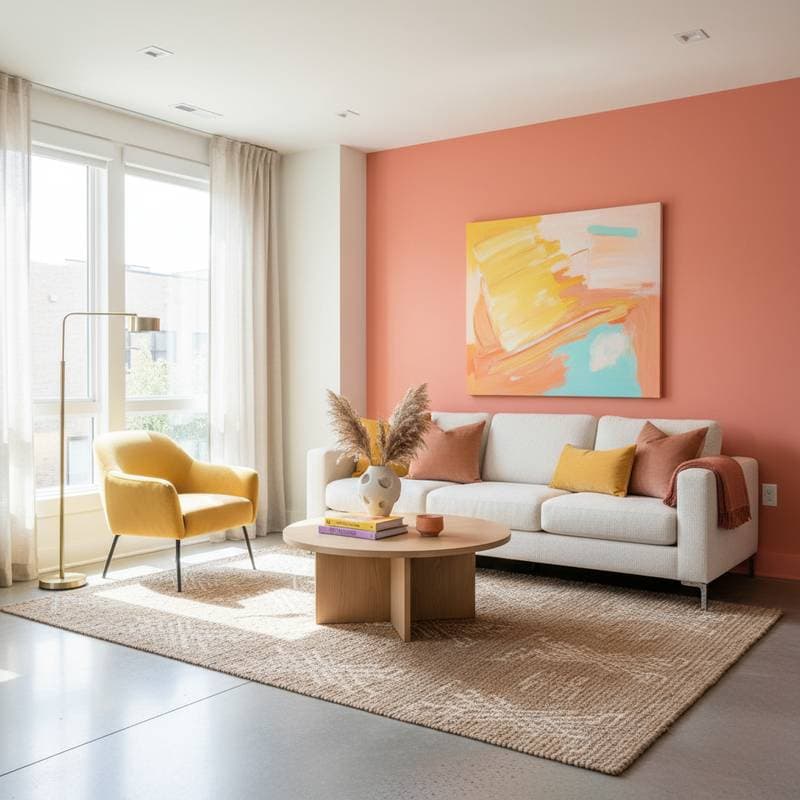
Select a prominent wall for enhancement, such as one behind a sofa, encircling a dining area, or lining a hallway to amplify perceived brightness. Apply the chosen color to this surface alone, pairing it with neutral surroundings. This technique maximizes vibrancy while preserving overall balance, requiring only a modest amount of paint for substantial results.
2. Painted Furniture
Revitalize existing pieces like dressers, nightstands, or chairs with a fresh coat. Coral pink updates vintage items for a contemporary edge, whereas joyful yellow customizes basic forms. Opt for satin or semi-gloss finishes to ensure durability and ease of cleaning.
3. Trim and Door Details
Apply dopamine colors to trim or interior doors for refined contrast. Against white or cream walls, the effect appears precise and deliberate. In dimly lit rooms, this strategy illuminates boundaries and guides visual movement upward.
4. Layered Color Blocks
Employ painter's tape to form geometric patterns or gradual transitions. A coral foundation accented by a yellow band above wainscoting introduces artistic flair. This method suits DIY efforts, particularly for renters, by emphasizing straightforward, removable designs.
Budget Options That Shine
Achieve a dopamine-inspired interior across varying financial levels.
- Low Budget: Utilize sample pots or residual paint for modest undertakings, such as coloring flower pots, framing artwork, or outlining a headboard. Prioritize upcycling existing items to minimize expenses.
- Medium Spend: Allocate funds for a gallon of premium paint to cover a feature wall. Supplement with coordinated elements like throw pillows, prints, or lamp bases in matching tones.
- Higher Budget: Commit to bespoke elements, including color-blocked cabinetry, custom millwork, or a coral pink tile backsplash with brass fixtures. Balance bold applications with enduring materials for sustained appeal.
What Works Well With These Colors
Joyful yellows and coral pinks harmonize with organic elements and subdued palettes. Integrate them with the following to enhance cohesion:
- Warm woods: Materials like oak, walnut, or bamboo provide grounding stability.
- Soft whites and creams: These temper intensity, creating a serene backdrop.
- Muted greens or sky blues: Such pairings evoke natural serenity and balance.
- Matte black or charcoal accents: They introduce depth and refined contrast.
Professional setups often employ these combinations to establish visual cadence. Spaces benefit from intervals of calm amid vibrant highlights, mirroring effective design principles.
Light, Texture, and Finish Matter
Evaluate paint samples under everyday lighting conditions. Daylight enhances the warmth of yellows, while coral pinks intensify under warm bulbs. Create two-foot test patches and observe them throughout a day to capture light variations.
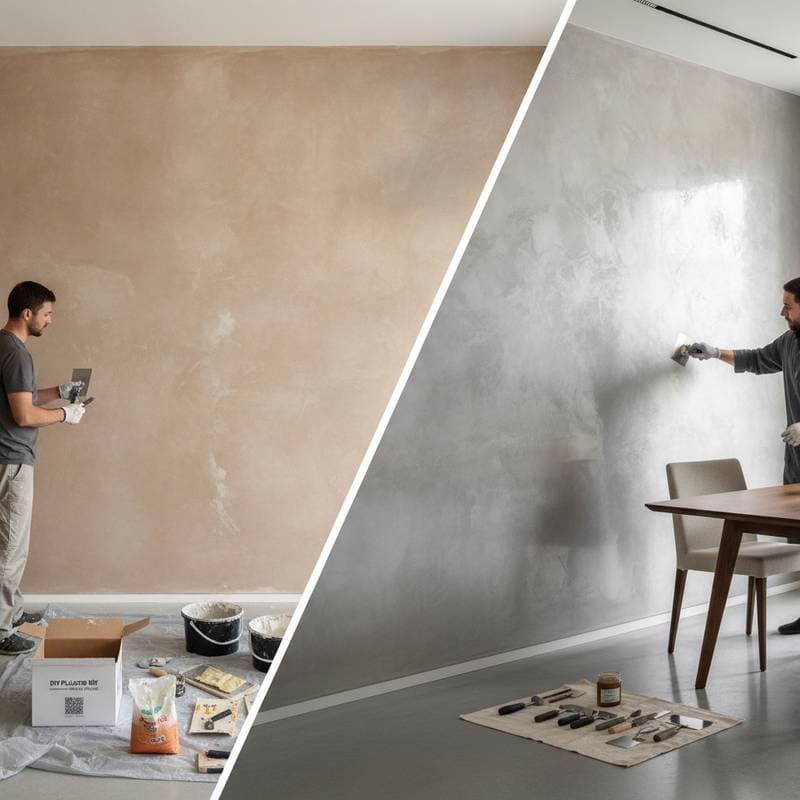
Surface texture alters color perception significantly. Smooth walls yield a sleek, modern appearance, whereas textured surfaces like plaster or beadboard impart artisanal character. Select matte finishes for understated elegance or satin and eggshell for pronounced luminosity.
Lessons from Fast-Turnaround Design
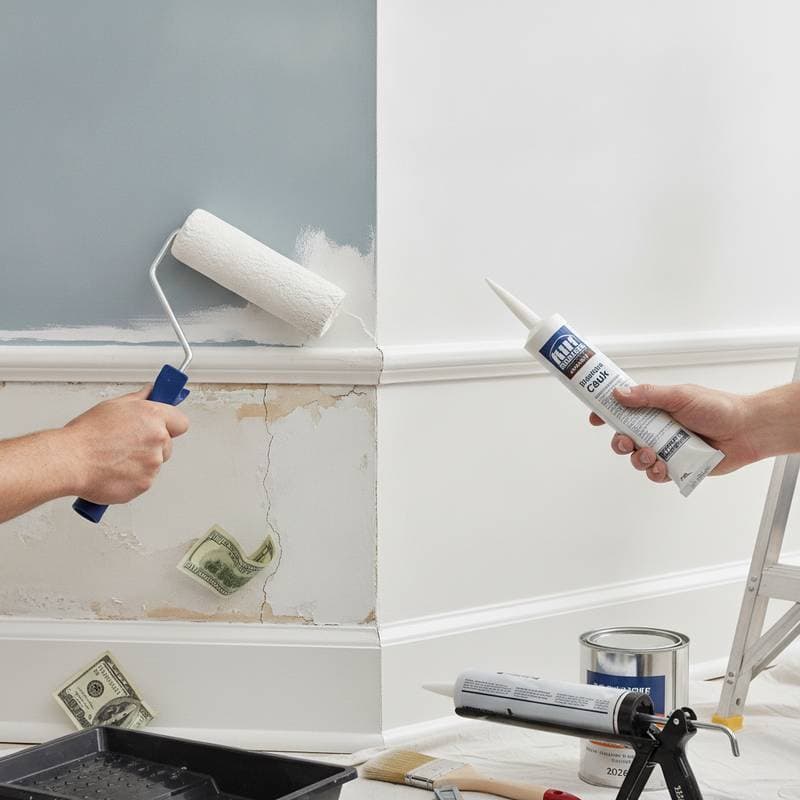
In time-constrained projects, dopamine colors provide swift, impactful transformations. A single coral application on a neutral base instantly elevates a room's styling. For efficiency, protect adjacent areas with plastic sheeting and apply paint with a quality roller; two thin layers surpass a single heavy coat for uniformity.
During interior shoots, assess color reflection on skin and surroundings. Yellow diffuses gentle illumination but may subtly affect shadows if overused. Coral imparts a flattering warmth to complexions, proving advantageous for personal photography or videography.
Entrepreneurial Insight: Color as Brand Energy
Business owners can extend dopamine colors into commercial applications for enhanced appeal. A coral accent behind a retail counter fosters approachability. Joyful yellow in packaging conveys freshness and positivity, shaping client perceptions subtly.
Consider finish influences on brand messaging. Matte coral suggests craftsmanship and accessibility, while glossy yellow projects innovation. Aligning color psychology with objectives strengthens emotional ties and supports commercial success.
Sustaining the Joy of Dopamine Colors
After implementation, pause to absorb the refreshed atmosphere. These tones invigorate routines, making environments feel more dynamic and welcoming. Maintain vibrancy by updating accessories periodically, such as seasonal textiles, artwork, or planters, to evolve the scheme without major alterations.