The Rise of Charcoal Walls in 2026 Interior Design
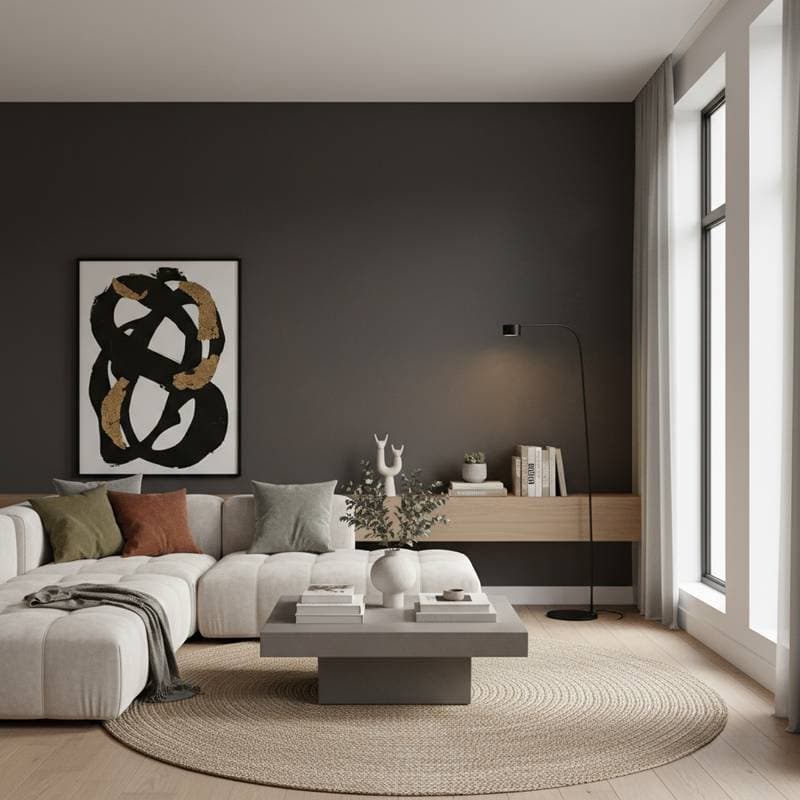
Charcoal walls introduce a compelling shift in home aesthetics for 2026. This deep, versatile hue delivers drama and adaptability, transforming spaces into luxurious environments. When applied thoughtfully, charcoal avoids heaviness, instead fostering a sense of modern warmth and elegance.
Charcoal as the Modern Neutral
Charcoal serves as a sophisticated extension of traditional gray, elevating any room with immediate refinement. It harmonizes with crisp whites, natural woods, and vibrant accents. Distinct from stark black, charcoal reveals nuanced undertones that evolve under varying light conditions, appearing cool and slate-toned in some moments or rich and velvety in others.
This adaptability appeals to designers and homeowners seeking flexible solutions. In professional settings, such as television production, charcoal walls enhance visual contrast and depth. The finish minimizes glare, accentuates textures, and elevates surrounding elements like furniture and artwork. In residential applications, it cultivates an enveloping ambiance that conveys poise and stability, regardless of whether a matte or satin sheen is selected.
Implementing the Trend Across Budgets
Accessible design principles ensure that the charcoal aesthetic reaches diverse audiences, from modest DIY efforts to comprehensive professional transformations.
Budget-Conscious Approach:
Focus on a single accent wall in a prominent area, such as behind a bed or sofa. A single gallon of premium paint typically suffices, particularly with a combined paint-and-primer product to streamline the process. For added nuance, apply a sponge roller to introduce subtle texture or layer a dry-brushed metallic glaze over the base coat for a faint luminous effect.
Moderate Investment:
Extend the charcoal application to an entire room, counterbalancing it with bright white trim, sheer curtains, and rugs crafted from natural fibers. Renters may opt for removable peel-and-stick wallpaper in a comparable deep gray to replicate the look without permanent alterations.
Premium Execution:
Engage professional services to integrate charcoal with enhancements like picture-frame molding or grasscloth panels. Incorporate bespoke lighting fixtures to emphasize surface details. Such refinements yield results comparable to high-end publications or broadcast features.
Selecting the Ideal Charcoal Variant
Charcoal shades vary significantly, each influenced by inherent undertones that alter the overall atmosphere. Consider these categories to identify the best fit.
- Cool-Toned Charcoal: Resembling slate or graphite, this option integrates seamlessly with stainless steel, glass elements, and blue highlights. It suits contemporary kitchens or workspaces.
- Warm-Toned Charcoal: Featuring subtle brown or taupe notes, it complements brass fixtures, walnut furnishings, and cream fabrics. This variant excels in bedrooms and communal areas.
- Neutral Charcoal: A balanced, profound depth that supports gallery walls or monochromatic schemes. It provides robust contrast against white ceilings and trim.
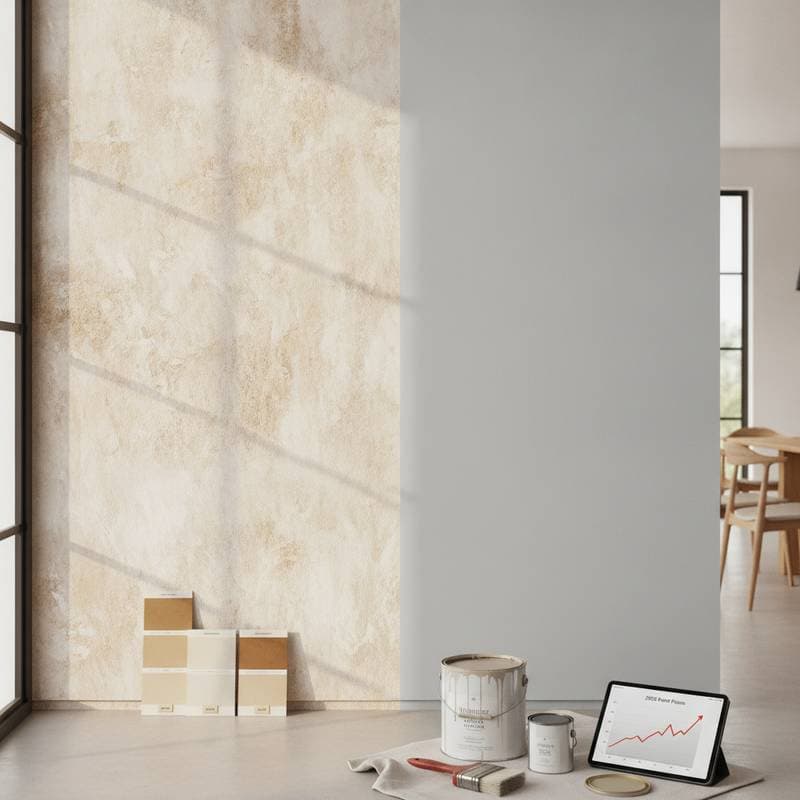
Test samples under multiple lighting scenarios prior to final selection, as natural daylight, artificial illumination, and shadows profoundly affect perception. Apply sample patches to poster board and observe them in the space over several days to prevent unexpected outcomes.
Balancing Depth in Design
Charcoal walls achieve maximum impact through strategic integration of light, texture, and proportion. Employ these techniques, drawn from professional installations in both media and private residences.
- Incorporate Varied Textures: Pair matte charcoal surfaces with glossy ceramics, brushed metal accents, and plush fabrics to maintain visual dynamism.
- Introduce Warming Elements: Integrate natural wood pieces, woven containers, or tan leather items to temper the hue's intensity.
- Leverage Lighting: Install warm-toned LED fixtures or targeted wall sconces to illuminate the paint's inherent richness.
- Maintain Light Ceilings: Opt for white or soft gray overhead to avoid a confined sensation, unless a bold, immersive effect is desired.
- Experiment with Scale: Position oversized artwork, full-length mirrors, or prominent foliage to create striking contrasts against the dark backdrop.
Essential Techniques for Professional Application
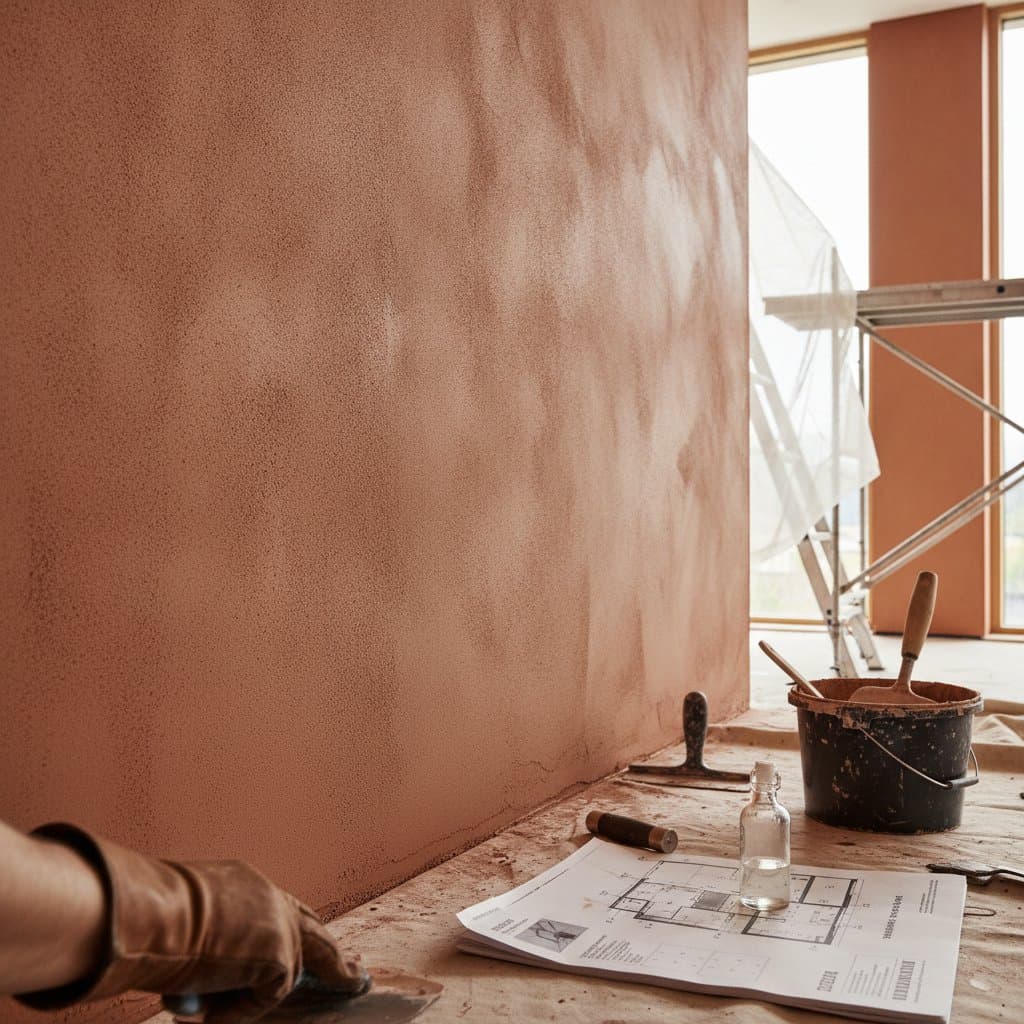
Preparation forms the foundation of success with dense pigments like charcoal, which highlight surface flaws. Begin with these steps for optimal results.
- Sand surfaces gently to eliminate irregularities and prior roller marks.
- Apply high-quality painter's tape for precise boundaries.
- Prime the area if transitioning from lighter or inconsistent bases.
- Distribute two thin coats for uniform opacity, rather than a single heavy application.
- Permit complete drying before reattaching hardware or hanging decor.
For superior smoothness, spraying offers an advantage over rolling, producing a flawless, suede-like finish that performs exceptionally in visual media.
Enhancing Visual Appeal for Photography and Daily Use
Charcoal walls excel in photographic contexts, a key factor in their media popularity. The tone diffuses harsh lighting, allowing other components to emerge vividly. Apply these insights from production environments to both staged and lived-in spaces.
- Incorporate Reflective Surfaces: Position brass, chrome, or mirrored accessories to distribute light effectively.
- Integrate Foliage: Select plants with expansive, lustrous leaves to contrast sharply with the background.
- Minimize Visual Noise: Emphasize streamlined forms, as dark walls amplify outlines and contours.
- Layer Warm Fabrics: Use wool blankets, velvet pillows, or linen curtains to infuse comfort.
These strategies extend practical benefits to everyday scenarios. Charcoal conceals minor wear, such as marks or smudges, far better than lighter paints, rendering it ideal for active family rooms or corridors.
Strategic Considerations for Business Applications
In commercial and entrepreneurial contexts, charcoal proves a versatile asset for residential and professional projects. It aligns effortlessly with corporate palettes and spans stylistic ranges. Developers appreciate its ability to enhance property value at minimal expense. Product innovators increasingly adopt this shade for elements like cabinetry, hardware, and surface treatments, fostering cohesive aesthetics.
For product launches or property staging, charcoal conveys assurance and relevance. It projects refinement while remaining inviting, a valuable equilibrium in design and commerce.
Sustaining the Charcoal Aesthetic
To preserve the vibrancy of a charcoal interior, adopt routine care practices. Dust with a soft cloth and steer clear of abrasive cleaners that may diminish the surface luster. Refresh with a new coat every few years to maintain depth and vitality. Charcoal endures gracefully, yet periodic attention ensures its deliberate sophistication endures.
Ultimately, this trend evokes serenity and permanence. It supports quiet mornings with a book or vibrant gatherings with ease. Charcoal walls craft environments that nurture well-being, blending enduring style with approachable luxury.