Biophilic Paints: Fueling a Surge in Home Sales
Homebuyers seek interiors that promote tranquility and a connection to nature. Biophilic paints draw from natural landscapes to deliver colors and textures that foster such environments. These formulations merge sustainable components with palettes evoking forests, oceans, and earth tones, enabling homeowners to craft inviting spaces. As sustainability gains prominence, biophilic paints reshape home aesthetics and marketability.
Costs Associated with Biophilic Paint Applications
Biophilic paint applications generally cost between $3 and $8 per square foot, influenced by material selection, surface preparation, and finish standards. For a complete interior repaint in an average home, expenses range from $2,400 to $6,000 using nature-derived, low-VOC products.
Cost Estimates by Room Dimensions
- Small room (up to 150 square feet): $450 to $900
- Medium room (150 to 300 square feet): $900 to $2,000
- Large room (300 to 500 square feet): $1,800 to $4,000
Detailed Cost Breakdown per Square Foot
| Category | Cost Range | Description |
|---|---|---|
| Materials | $1.50 - $3.50 | Encompasses biophilic low-VOC paints, primers, and specialized finishes |
| Labor | $1.50 - $4.00 | Covers professional preparation, application, and post-work cleanup |
| Preparation | $0.50 - $1.50 | Involves repairs, sanding, and sealing to achieve a flawless surface |
| Additional Factors | $0.50 - $1.00 | Includes treatments for accent walls or applications adding natural texture |
Key Influences on Biophilic Paint Expenses
1. Formulation and Material Standards
Biophilic paints incorporate elements such as clay, plant extracts, or mineral bases to purify air and provide tactile appeal. High-end versions with certifications for low emissions and antimicrobial features raise material prices by 20 to 40 percent over conventional options.
2. Wall Surface Readiness
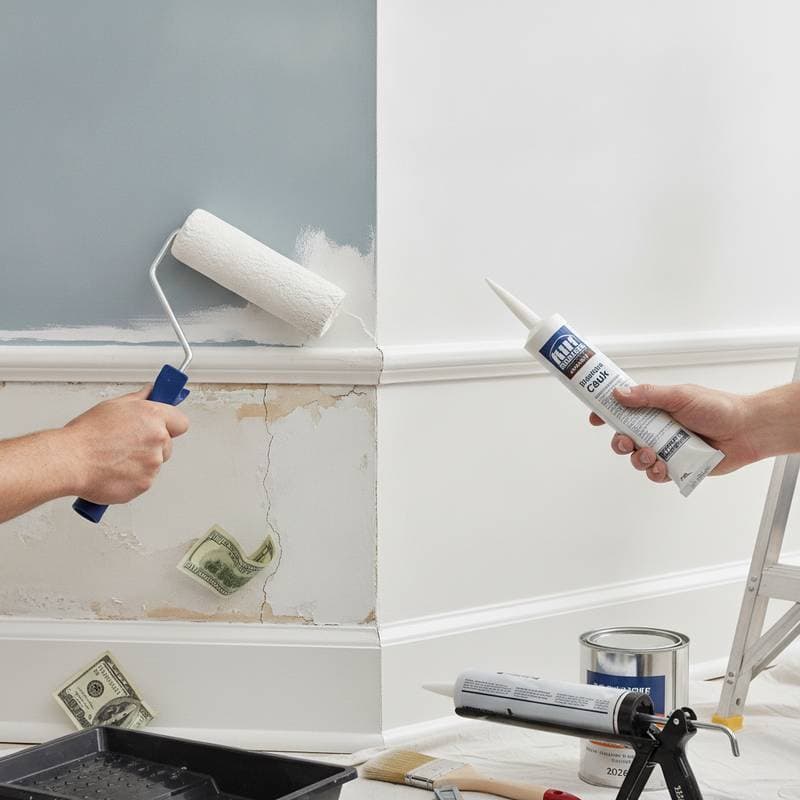
Surfaces showing damage like cracks or prior heavy pigmentation demand extensive priming and repair. These steps extend labor duration and elevate overall expenses. Pristine walls incur lower preparation fees, whereas rough or absorbent substrates necessitate targeted primers.
3. Project Design Elements
Incorporating features like ombre effects, layered textures, or motifs from natural settings boosts labor requirements. Such enhancements add $2 to $5 per square foot based on design sophistication.
4. Hiring Professionals Versus Self-Application
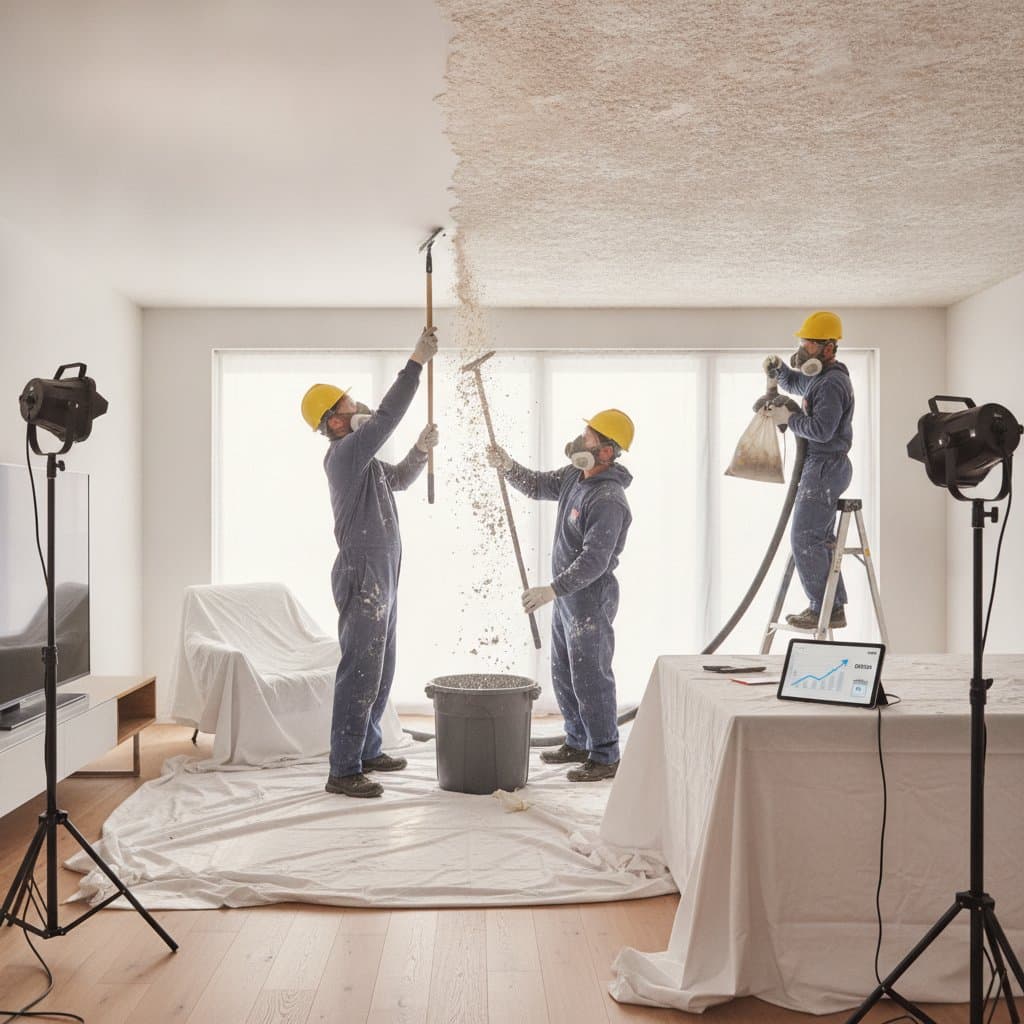
Opting for self-application cuts immediate outlays, yet experts deliver uniform results and material efficiency. Trained applicators manage the unique properties of natural paints, reducing errors and excess usage.
Comparative Costs Across Paint Varieties
| Paint Type | Basic Range | Standard Range | Premium Range | Key Attributes |
|---|---|---|---|---|
| Clay-Based Paint | $2 - $4 | $4 - $6 | $6 - $9 | Utilizes clay for matte, earthy finishes that absorb sound and regulate humidity |
| Limewash Paint | $3 - $5 | $5 - $7 | $7 - $10 | Offers breathable coverage with subtle variations, suited for moisture-prone areas |
| Plant-Based Paint | $2.50 - $4.50 | $4.50 - $6.50 | $6.50 - $9 | Derived from vegetable oils for resilient, low-gloss surfaces with natural sheen |
| Mineral-Based Paint | $2 - $4 | $4 - $6 | $6 - $8 | Provides enduring protection against mold, ideal for bathrooms and kitchens |
Assessing Value and Return on Investment
Biophilic paints elevate property worth by enhancing environmental quality and aesthetic harmony. Residences with these natural schemes attract quicker offers, as purchasers link such designs to reduced stress and improved livability. These durable finishes also lower future repair needs, preserving vibrancy over extended periods.
Practical Ways to Control Expenses
Homeowners achieve savings while upholding standards through strategic choices:
- Opt for versatile shades such as muted greens, warm neutrals, or subtle ochres to appeal to diverse buyers.
- Perform initial cleaning and minor fixes independently to minimize professional prep charges.
- Source supplies amid supplier promotions, particularly in low-demand periods.
- Obtain estimates from several contractors to evaluate rates and inclusions.
- Confine elaborate techniques to one prominent wall for pronounced effect at lower cost.
Developing an Effective Budget Plan
A methodical process supports precise projections and seamless implementation.
-
Calculate Overall Coverage Area
Determine wall measurements across rooms to estimate material volumes and time commitments accurately. -
Define Desired Performance Level
Select from entry-level, mid-tier, or advanced products; superior choices endure multiple cycles with fewer reapplications.
Weighing Professional Services Against DIY Efforts
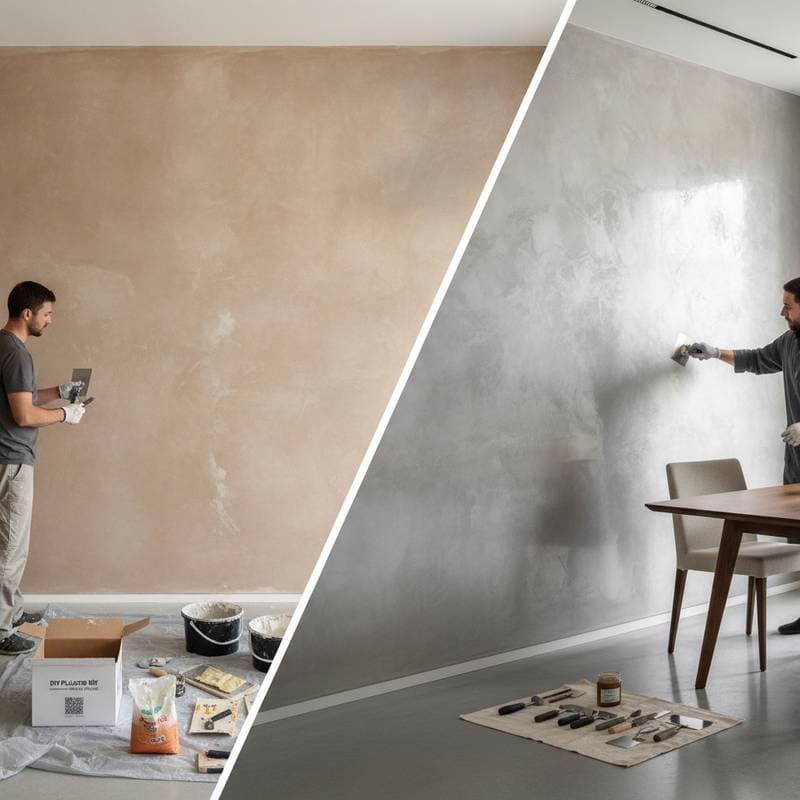
Experts excel in managing the flow and adhesion of organic paints, which differ from synthetic types. They employ tools for flawless gradients and relief effects. While DIY suits modest areas, expansive or detailed work demands professional skill to avoid inconsistencies.
Enduring Benefits of Biophilic Integration
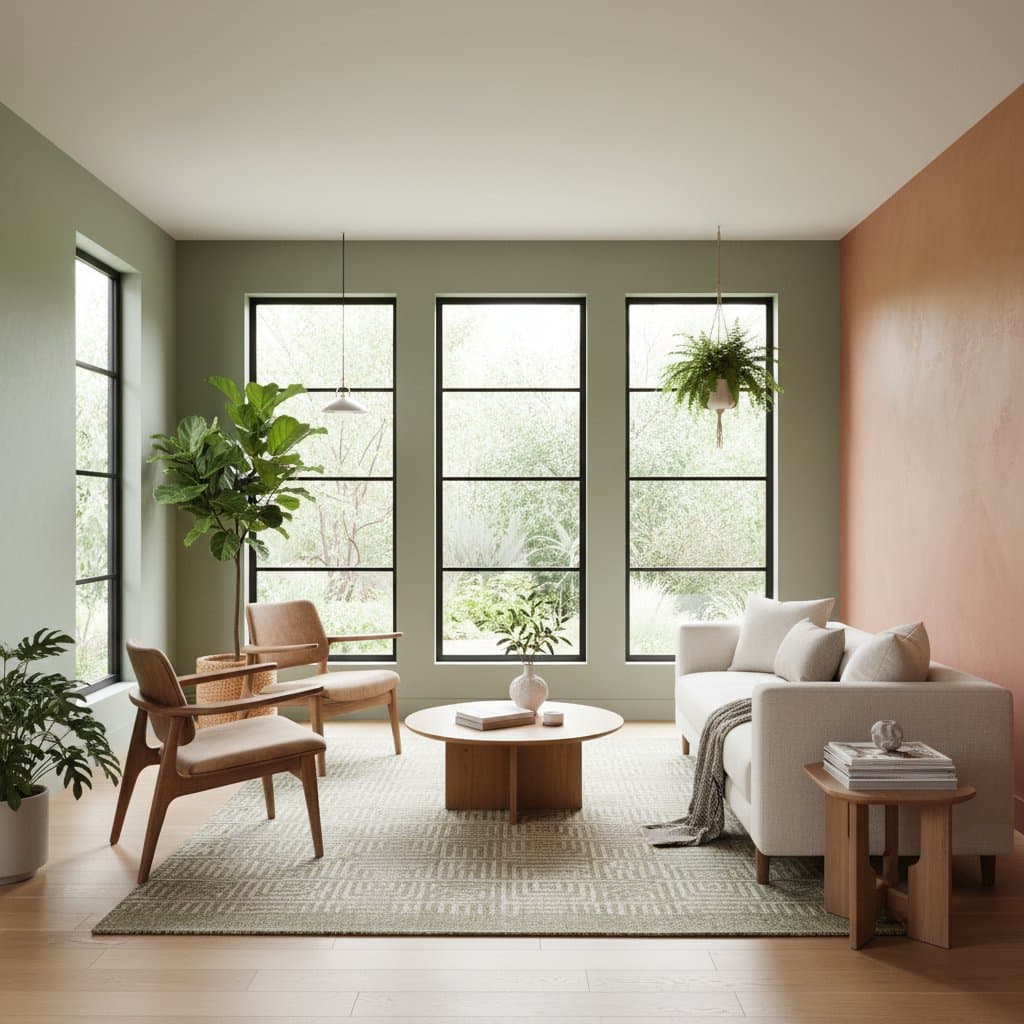
These paints contribute to psychological comfort and market edge through hues like verdant moss, tranquil azure, or neutral stone. Such selections create serene atmospheres that enhance daily living. In listings, they yield compelling visuals, often translating to premium sale outcomes.
Frequently Asked Questions
What Does a Typical Biophilic Painting Project Cost?
Projects range from $3 to $8 per square foot, covering materials and labor for sustainable, nature-aligned products. For standard home interiors, anticipate $2,400 to $6,000 overall.
Which Elements Most Affect Biophilic Paint Pricing?
Material grade, substrate state, pattern intricacy, and contractor fees drive variations. Advanced compositions and elaborate applications amplify both supply and effort demands.
How to Minimize Costs on Biophilic Projects While Maintaining Standards?
Prioritize reliable intermediate options, manage basic prep in-house, and target enhancements to key zones. Securing competitive bids and timing for off-season rates further optimizes budgets.
Is Professional Assistance or DIY Preferable?
Professionals guarantee even application and material efficacy for complex formulas. DIY proves viable for limited scopes, but broader undertakings favor expert handling.
How to Account for Potential Overruns in Painting Budgets?
Reserve 10 to 15 percent above estimates for contingencies like unforeseen fixes or material adjustments.
When Should One Schedule a Biophilic Painting Initiative for Optimal Savings?
Target transitional seasons or periods of reduced activity, when providers extend incentives and availability improves for cost-effective execution.