Biophilic Paints: A 23 Percent Surge in Home Sales by 2026
Homeowners increasingly seek designs that foster tranquility, well-being, and harmony with the natural world. Biophilic paints, drawn from elements like forest greens, ocean blues, and earthy minerals, reshape interior spaces and elevate property values. Projections indicate that homes featuring these nature-inspired colors will see a 23 percent rise in sales by 2026, driven by demand for healthier, more organic environments.
These paints extend far beyond visual charm. They shape emotions, optimize natural light, and forge a gentle link to the outdoors. Property owners who grasp the impact of biophilic colors on daily life and market appeal can pursue design choices that yield long-term benefits.
Defining Biophilic Paint
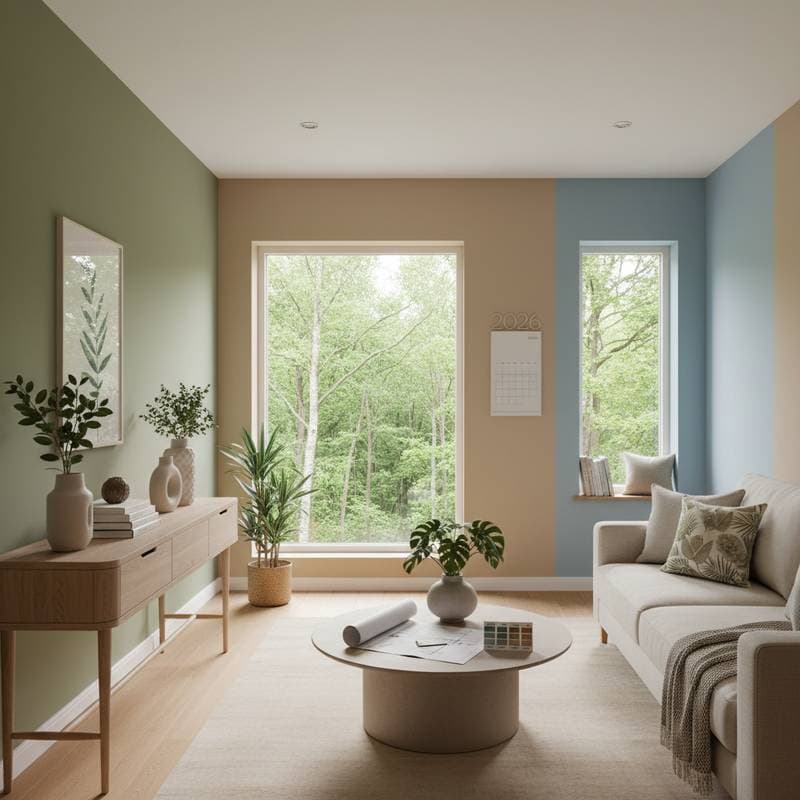
Biophilic paint captures the essence of natural landscapes through colors such as mossy greens, sandy neutrals, stone grays, and sky blues. These shades replicate the peace of outdoor scenes and support mental focus along with emotional steadiness. Manufacturers now prioritize low-VOC or zero-VOC options, which minimize indoor pollutants and elevate air purity.
Individuals select these paints for their environmental benefits and influence on routine experiences. A gentle sage on a wall soothes an active mind. Deep oceanic blues promote concentration and innovation. Rich clay shades provide warmth and stability. Such selections build environments that pulse with vitality while remaining anchored.
Project Cost Breakdown
Average Cost Ranges
- Basic interior repaint with biophilic hues: $2,000 to $3,800
- Standard multi-room project: $4,000 to $6,500
- Premium eco-focused repaint with specialty finishes: $6,800 to $10,000
What's Included
- Preparation tasks like sanding, taping, and priming
- High-quality low-VOC or natural pigment paints
- Labor for two or more coats
- Final cleanup and touch-ups
What Costs Extra
- Accent walls or mural-style finishes: $300 to $900 each
- Textured or limewash effects: $2 to $5 per square foot
- Ceiling or trim painting with matching tones: $400 to $1,200
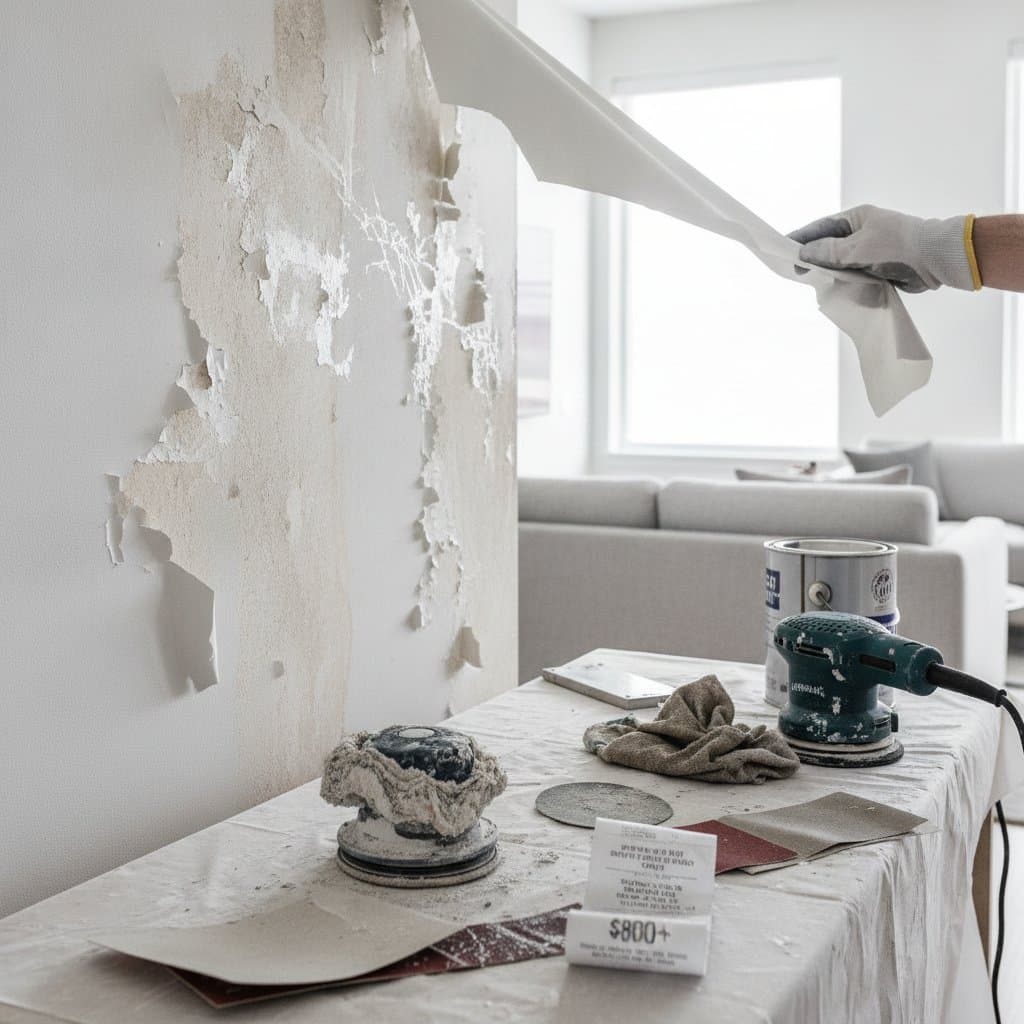
- Repairs to cracked or damaged drywall before painting: $250 to $600
Factors That Affect Final Cost
| Factor | Cost Impact | Examples |
|---|---|---|
| Paint quality | +15 percent to +30 percent | Natural mineral pigments or designer brands |
| Number of rooms | +$500 per room | Larger homes require more labor and materials |
| Surface condition | +$250 to $800 | Walls needing patching or smoothing |
| Color complexity | +10 percent | Multi-tone or gradient applications |
| Regional labor rates | Variable | Urban areas tend to cost more than rural zones |
How Biophilic Paints Boost Home Value
Prospective buyers favor properties that offer renewal and respite. Rooms in nature-derived palettes seem more spacious, pristine, and unified. A muted green living area or neutral beige corridor subtly signals vitality and equilibrium. Real estate professionals note that such homes capture superior images for online listings, which generate quicker interest and competitive bids.
Low-VOC biophilic paints also improve indoor atmospheres by reducing harmful emissions. Cleaner air appeals strongly to families and those with sensitivities, adding tangible worth through enhanced comfort and endurance.
Professional Application Versus DIY Efforts
Painting appears straightforward, yet professional outcomes demand thorough preparation and expertise.
When to Hire a Contractor
- Projects covering extensive square footage or multiple rooms
- Surfaces with texture or elevated ceilings
- Advanced techniques like limewash or multi-layered pigments
- Schedules requiring rapid completion
When DIY Can Succeed
- Isolated accent walls
- Basic color shifts with ready-mixed paints
- Minor touch-ups or single-room updates
Homeowners undertaking DIY tasks may overlook the time needed for setup. Experts manage repairs, achieve uniform application, and guarantee longevity. Errors from amateur attempts frequently lead to higher correction expenses than initial professional fees.
Preparing for Your Biophilic Painting Project
Effective preparation ensures smooth execution and optimal results. Begin by assessing your space: measure square footage, evaluate wall conditions, and note lighting patterns that influence color perception. Select paints from reputable brands certified for low emissions, and test samples on small areas to confirm harmony with furnishings and natural light.
Gather essential supplies in advance, including drop cloths, painter's tape, primers suited to your surfaces, and ventilation tools. Schedule the work during mild weather to aid drying, and clear rooms of obstacles for unobstructed access. Consult color experts or use digital tools to visualize schemes, aligning choices with your home's architecture and personal style.
Planning Your Biophilic Design
Strategic planning transforms a repaint into a comprehensive enhancement. Define goals first: aim to create serene bedrooms, energizing workspaces, or cohesive common areas. Research color psychology—greens for relaxation, blues for productivity—and integrate textures like subtle glazes to deepen natural effects.
Budget allocation proves crucial; reserve funds for quality materials and potential surprises like hidden repairs. Develop a timeline that accounts for drying intervals between coats, typically 24 hours, and coordinate with any complementary updates such as fixture replacements. Engage in mood boarding with fabric swatches and plant elements to preview the full biophilic impact.
Frequently Asked Questions
What Drives the Cost of Biophilic Painting Projects?
Primary influences include paint quality, labor duration, and surface readiness. Eco-conscious paints with organic pigments carry higher initial prices yet endure longer and release fewer volatiles. Elaborate patterns or tall ceilings extend labor requirements.
How Long Does a Typical Biophilic Repaint Take?
A single room often requires one to two days, whereas full homes may span up to a week. Factors like drying periods, preparation, and curing extend the overall timeline.
Should You Attempt DIY or Hire a Professional?
Confident individuals can manage small-scale efforts with appropriate equipment and precautions. Larger scopes or refined finishes benefit from contractor involvement, which delivers uniform results, efficiency, and resilience.
How to Select the Right Contractor for This Project?
Request client references, verify credentials, and examine portfolios of comparable applications. Obtain itemized estimates detailing brands and prep methods. Dependable professionals maintain open dialogue and offer documented guarantees.
What to Expect During the Painting Process?
Stages encompass surface readying, priming, two paint coats, and concluding cleanup. Teams safeguard furnishings and floors, ensure airflow, and conduct a final inspection for satisfaction.
What Problems Might Arise and How to Prevent Them?
Issues such as irregular application, flaking, or shade discrepancies occur occasionally. Mitigate risks through premium supplies, adherence to drying guidelines, and routine upkeep with gentle cleaners to sustain hue intensity.
Realize Enduring Benefits Through Biophilic Transformations
Embracing biophilic paints yields spaces that nurture well-being and attract discerning buyers. These investments not only refresh aesthetics but also promote sustainability and health. Property owners who integrate these elements position their homes for premium market performance, blending timeless appeal with modern priorities.