Avoid the $800 Wallpaper Removal Blunder Before Painting
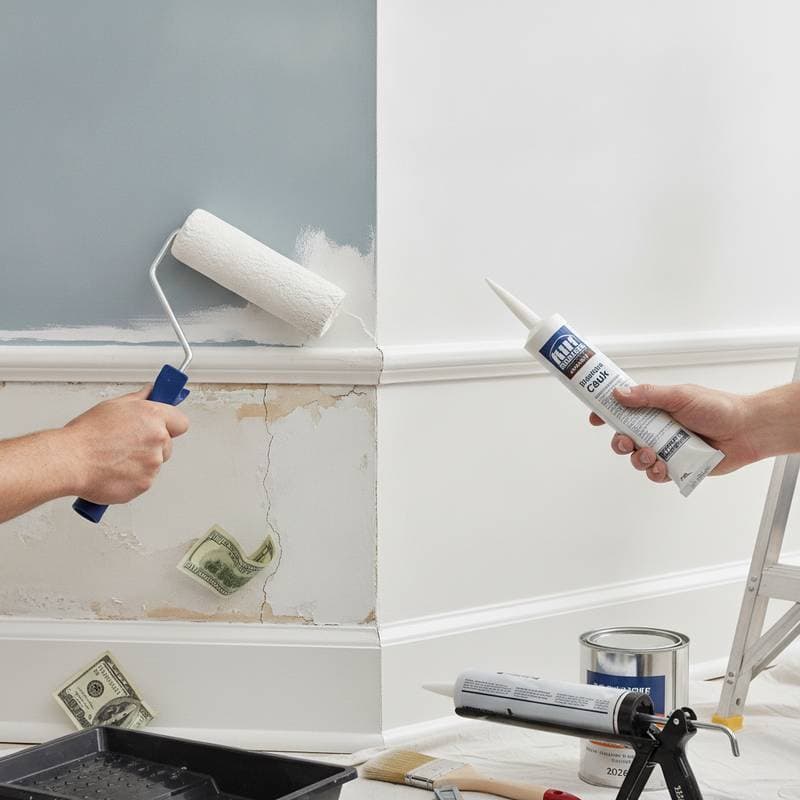
Many homeowners consider painting over wallpaper as a way to save time and money. However, this approach often results in bubbling, peeling, and flaking walls within months. Such issues lead to expensive repairs that can exceed $800. Proper preparation prevents these problems and ensures a durable finish.
The Hidden Costs of Painting Over Wallpaper
Paint and wallpaper adhesive do not mix well. The moisture from paint reactivates the adhesive, causing seams to lift, bubbles to form, and edges to curl over time. What begins as a simple cover-up turns into a major project requiring stripping, wall repairs, and repainting.
Professionals frequently encounter this mistake in homes and on production sets. Initial results may appear satisfactory, but exposure to humidity or light reveals the flaws quickly. Thorough surface preparation remains essential for long-lasting results.
Identify Wallpaper Types Before Removal
Determine the wallpaper type to select the most effective removal method. This assessment saves time and reduces damage to underlying surfaces.
Common varieties include:
- Vinyl-coated wallpaper: Features a shiny, moisture-resistant surface. The top layer often peels away easily, though the backing adheres firmly.
- Paper-based wallpaper: Absorbs water readily and appears in older homes. It may tear during removal but softens with soaking.
- Fabric-backed or grasscloth wallpaper: Offers texture and aesthetic appeal. Removal requires caution to avoid damaging the wall.
Test a small area to gauge the wallpaper's response before proceeding with full removal.
Removal Methods for Every Budget
Choose a removal strategy based on project scope and resources. Each option balances cost, effort, and results.
Low-Cost DIY Approach
Start with basic tools: a scoring tool, pump sprayer or sponge, warm water, and dish soap or vinegar. Score the surface lightly to allow penetration, apply the solution, and wait for the adhesive to soften. Scrape gently using a plastic putty knife.
Monitor progress: If sections lift cleanly without tearing the drywall, continue. If damage occurs, reapply solution and proceed slowly. This method demands patience but yields professional outcomes.
Mid-Range Steaming Technique
Invest in a handheld wallpaper steamer to accelerate the process. Steam loosens adhesive more effectively than water alone, particularly for vinyl or multi-layer papers. Apply steam in short bursts, then peel and scrape.
Protect surrounding areas with towels to manage drips. Wear gloves to avoid burns from the heat. This hands-on method provides control while reducing overall time.
Professional Removal Services
For aged or complex installations, enlist experts. They employ specialized tools like chemical removers and moisture meters to safeguard the wall. Repairs to imperfections follow, creating an ideal painting surface.
This investment ensures quality and avoids future costs. Professionals deliver reliability, especially when underlying drywall shows wear.
Repair and Prime the Surface
After removal, address residue, tears, and irregularities. These steps create a smooth base for painting.
- Clean walls with a mild detergent or diluted vinegar solution to eliminate adhesive remnants. Leftover glue can cause uneven paint adhesion.
- Sand lightly using fine-grit sandpaper to level the surface.
- Fill holes or tears with joint compound, allow drying, and sand smooth.
- Apply a primer suited for repaired drywall to seal and promote even coverage.
Verify readiness by touch: The wall should feel smooth and dry. Address any tackiness or roughness before advancing.
The Role of Primer in Achieving Durability
Primer serves as a foundational layer, similar to a base coat in finishing processes. It neutralizes residual adhesive, balances surface absorption, and enhances paint performance.
Select primers based on conditions: Shellac-based options block adhesive bleed-through, while latex varieties suit fresh drywall. Consistent priming yields uniform color and longevity, much like techniques used in set design for flawless visuals.
Apply Paint for Optimal Results
With preparation complete, painting proceeds efficiently. The result features vibrant colors and a professional sheen.
Tailor the approach to needs:
- Low-cost option: Employ a quality roller with standard latex paint. Apply two thin coats for better coverage than a single heavy layer.
- Mid-range choice: Select premium paint with integrated primer for enhanced wear resistance, ideal for high-traffic areas.
- High-end solution: Engage painters for precise application, edge work, and cleanup. They ensure consistent finishes and efficient timelines.
These strategies maximize the impact of the refresh.
Insights from Set Design Practices
In production environments, walls must withstand intense scrutiny under lights. Preparation dictates success: Any adhesive traces or bubbles become evident immediately. These principles apply directly to residential projects, promoting surfaces that endure daily use.
Avoid using textured paint to mask issues, as it amplifies flaws in varied lighting. Prioritize smoothness for a refined appearance.
Understanding the $800 Repair Expense
The $800 figure represents typical costs for correcting improper preparation. It covers stripping failed layers, skim coating drywall, priming, and repainting. Expenses escalate with room size or complexity.
Preventive measures safeguard budgets, much like strategic planning in design projects. Each preparation step contributes to overall value.
Options for Renters and Temporary Updates
Renters or those seeking flexibility can explore non-permanent solutions. Peel-and-stick wallpapers remove without residue, allowing easy changes.
For existing wallpaper, incorporate decorative panels, artwork, or fabric coverings. These enhance aesthetics while preserving the underlying surface and complying with lease terms.
Essential Safety Measures
- Cover floors with drop cloths or plastic sheeting to contain mess.
- Disconnect power near electrical fixtures during work.
- Ensure ventilation to manage moisture and fumes.
- Test products on inconspicuous areas to check compatibility.
These practices minimize risks and maintain efficiency.
Enjoy the Benefits of Proper Preparation
A well-prepped and painted space transforms daily living. Even light distribution highlights furnishings, creating an inviting atmosphere. The effort invested delivers enduring satisfaction and avoids unnecessary expenses.
Focus on these fundamentals to achieve results comparable to professional work. Start with thorough assessment and proceed methodically for walls that enhance your home effectively.