Avoid the $800 Sanding Mistake in DIY Painting
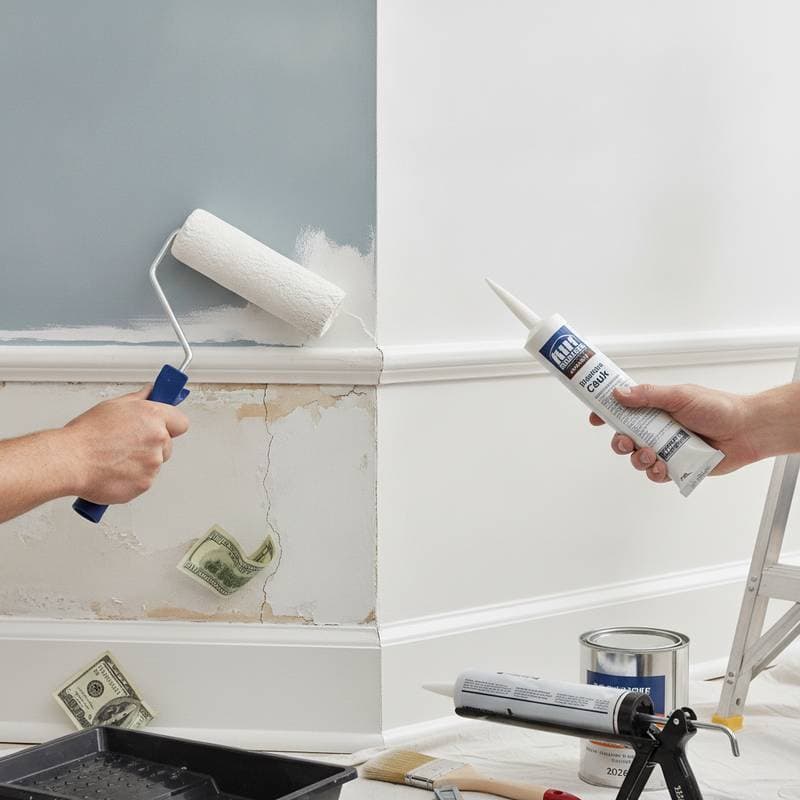
You are ready to paint. The roller is prepared, the color selection is appealing, and you envision the ideal finish. However, before applying the brush, consider one critical step that determines the project's success: sanding. Neglecting or hastening this process can result in the costly $800 mistake, where inadequate preparation causes peeling paint, irregular surfaces, or a complete overhaul. Follow these guidelines to ensure such issues never arise.
The Critical Role of Sanding in Paint Adhesion
Sanding serves more than mere surface smoothing. It creates an optimal texture that allows paint to adhere securely. Paint requires a slight roughness, often described as "tooth," to bond effectively. Without this preparation, even high-quality primer and paint may fail prematurely. Professionals have observed instances where attractive paint applications bubbled and flaked within weeks due to overly glossy or contaminated surfaces.
In my experience designing sets for television productions, surfaces needed to withstand intense lighting and frequent adjustments. Sanding was performed efficiently using appropriate grits to achieve a seamless result. Homeowners can replicate this approach with minimal investment, yielding comparable durability.
Understanding the $800 Sanding Mistake
This common error occurs when sanding is omitted or executed with improper abrasives. Initially, the paint may appear flawless, but soon it begins to peel, crack, or reveal underlying imperfections such as previous brush strokes. The remedy involves scraping, patching, and repainting, which accumulates expenses in materials, tools, and labor that exceed hundreds of dollars.
A structured sanding strategy eliminates this risk. It transforms a potential disaster into a reliable foundation for your project.
Implementing an Effective Sanding Sequence
Different surfaces demand tailored methods, yet a reliable three-step process suits most DIY applications. This approach ensures thorough preparation without unnecessary effort.
-
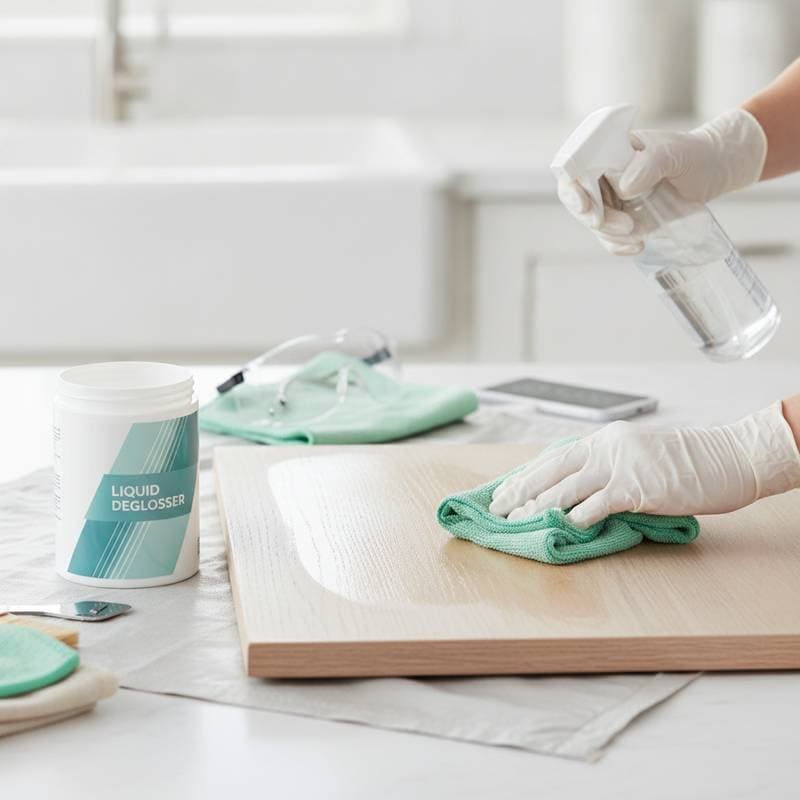
Initial Deglossing and Cleaning
Begin by applying a mild cleaner or degreaser to eliminate oils, dirt, and residual buildup. This step prevents sandpaper from clogging and promotes uniform abrasion. After rinsing and allowing the surface to dry completely, test a small area. The sandpaper should move smoothly while producing a fine dust, indicating readiness for the next phase. -
Medium Grit Application (120 to 150 Grit)
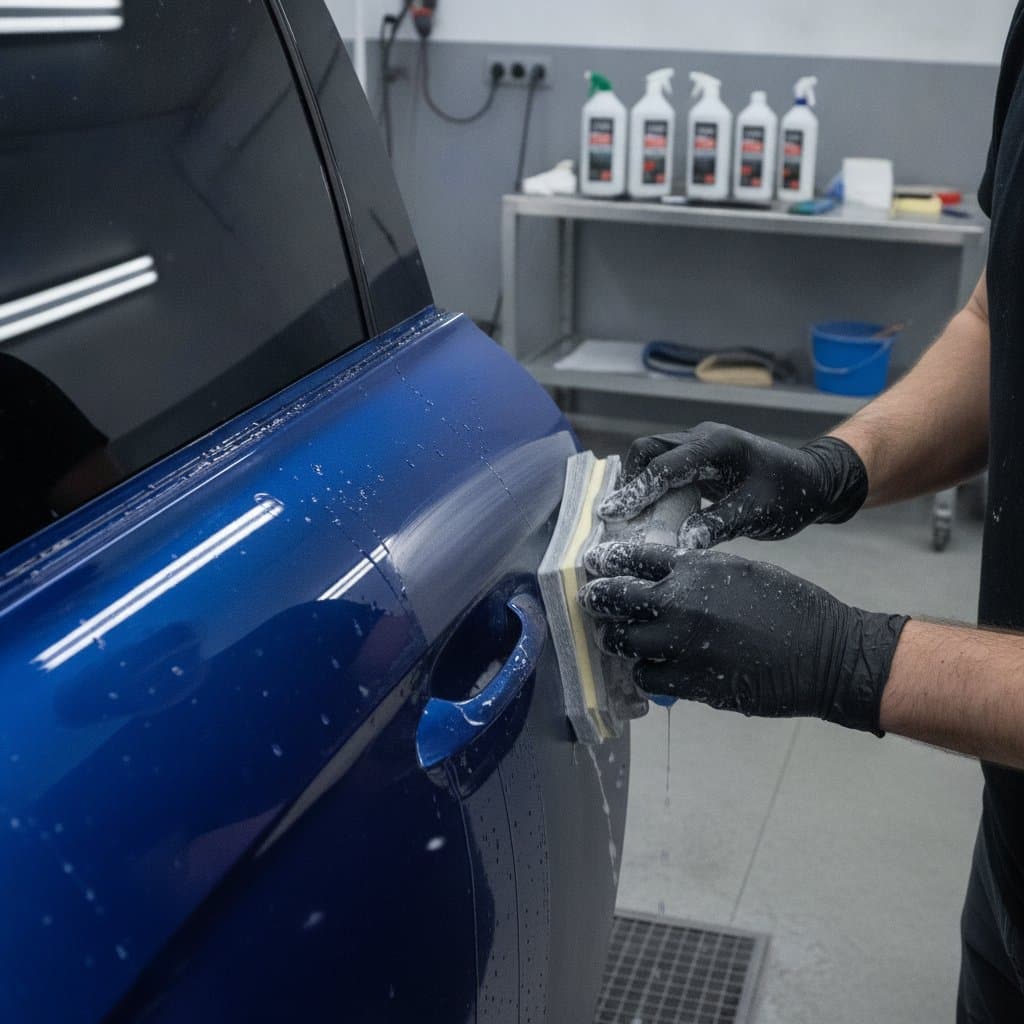
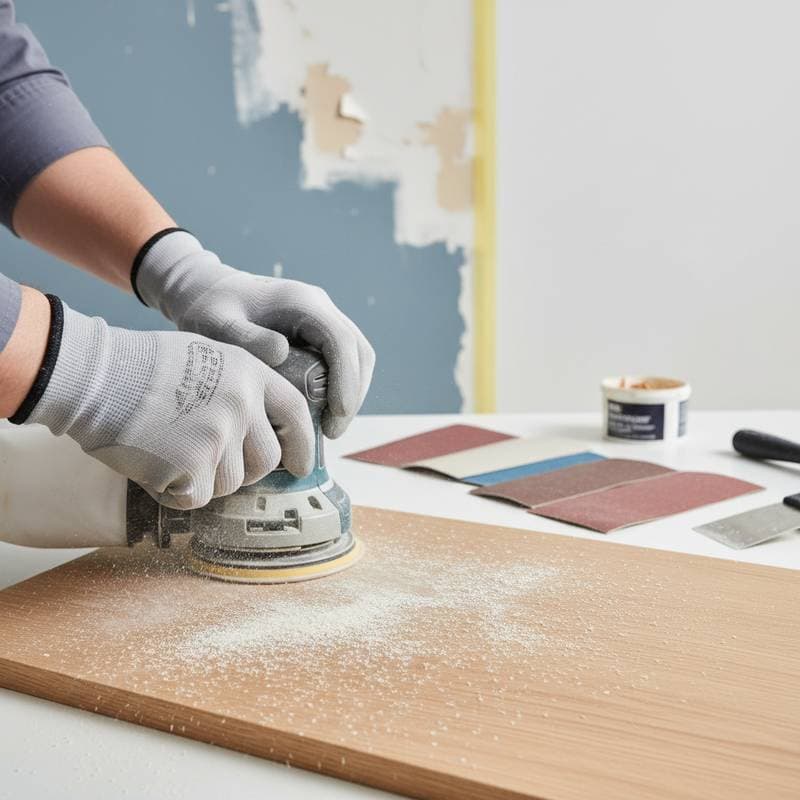
Employ medium-grit sandpaper to eliminate protrusions and matte the surface without creating deep scratches. On wood, sand parallel to the grain to avoid cross-patterns. For walls or cabinetry, utilize a sanding sponge or random orbital sander with light, overlapping strokes. Apply minimal pressure to allow the abrasive to function effectively, reducing fatigue and ensuring even results. -
**Fine Grit Finishing (220 Grit or Finer)**nConclude with fine-grit sandpaper to impart a velvety texture that enhances primer and paint bonding. This refinement minimizes visible imperfections and prepares the surface for coating. Afterward, remove all dust using a tack cloth or lint-free microfiber towel, as residual particles can compromise the finish.
Affordable Tools for Professional-Quality Sanding
Effective sanding requires no extravagant purchases. Select options based on your project's scale and frequency.
- Budget-Friendly Choice: Opt for manual sanding with sheets secured to a foam or cork block. This method costs less than ten dollars and provides precise control for small areas.
- Moderate Investment: A basic random orbital sander accelerates the process and delivers uniform abrasion, ideal for larger surfaces like furniture or walls.
- Advanced Option: Vacuum-attached sanders capture dust at the source, safeguarding respiratory health and maintaining a cleaner workspace. These prove valuable for frequent or extensive renovations.
Regardless of selection, prioritize safety by donning a dust mask rated for fine particles and protective eyewear to shield against debris.
Verifying Surface Readiness
Assess preparation by passing your hand over the surface; it should feel uniformly smooth yet slightly textured, not slick. Test adhesion by pressing painter's tape firmly and pulling it away. If the tape adheres consistently without premature lifting, the surface is primed for painting.
Inspect for glossy spots or uneven areas and address them promptly with additional sanding. Investing a few minutes here prevents extensive rework downstream.
Securing Durable Finishes Through Preparation
After the paint has fully cured, appreciate the seamless outcome of your efforts. Proper sanding extends beyond aesthetics; it establishes a robust base for enduring beauty. This technique applies equally to cabinet refreshes, interior room transformations, or exterior updates.
Exceptional results stem not from lavish spending but from meticulous attention, informed techniques, and consistent application. Each project offers an opportunity to refine skills, ensuring future endeavors yield professional-grade longevity.