The Costly Oversight: Skipping Sanding Between Paint Coats
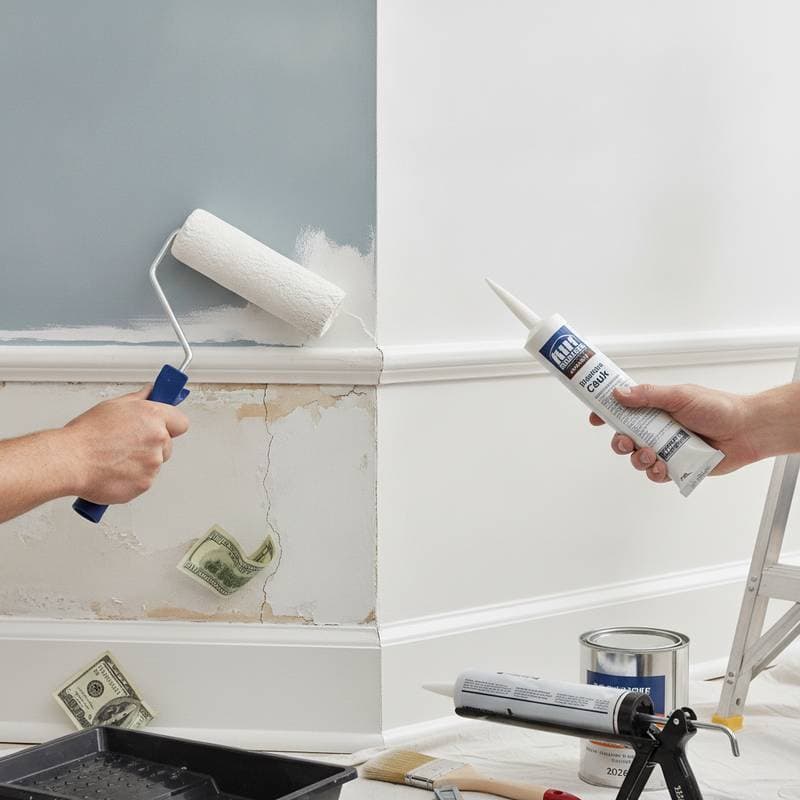
A fresh coat of paint revives walls, cabinets, or trim with remarkable ease. However, one overlooked step can undermine the entire effort. Homeowners often bypass sanding between coats to expedite the process, only to face peeling finishes and repairs that exceed $800. This guide explains the importance of sanding, details the financial implications, and provides practical methods to execute it correctly for lasting results.
Essential Role of Sanding in Paint Application
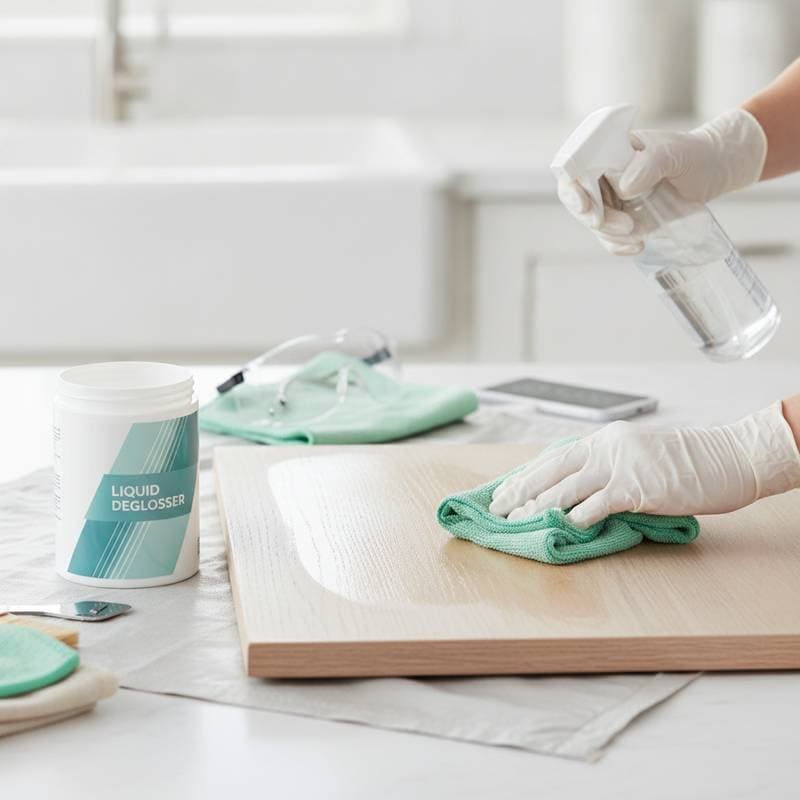
Paint dries with microscopic irregularities, including dust specks, brush strokes, and minor ridges. Sanding eliminates these defects and etches a fine texture for superior layer adhesion. Without it, subsequent coats adhere poorly to a glossy base, resulting in cracks, bubbles, or delamination over time.
This process also refines the aesthetic outcome. A gentle scuff promotes even paint distribution and a velvety texture that mimics professional work. Apply this technique across drywall, moldings, or cabinet doors to secure a seamless, high-end appearance.
Detailed Project Cost Analysis
Typical Pricing Structure
- Standard repainting with integrated sanding: $1,200 to $2,000
- Intermediate refinishing tasks: $2,500 to $4,000
- High-end cabinetry or millwork completion: $4,500 to $6,000
Omit sanding at the outset, and anticipate $600 to $800 in remediation expenses. These figures cover stripping failed paint, thorough re-sanding, and reapplication on compromised zones.
Standard Inclusions
- Initial surface prep and decontamination
- Gentle inter-coat abrasion
- Dust extraction prior to each application
- Concluding evaluation and refinements
Additional Expenses
- Fixes for flaking or compromised coatings prior to renewal
- Premium options such as high-sheen enamels
- Remedial abrasion for flawed prior applications
Variables Influencing Total Expenditure
| Factor | Cost Influence | Illustrations |
|---|---|---|
| Surface Category | Escalates with intricacy | Cabinetry and moldings demand finer attention than flat walls |
| Paint Grade | Premium selections elevate expense | Resilient coatings require meticulous prep for optimal performance |
| Labor Duration | Proportional to billing | Extended abrasion and debris management prolong the timeline |
| Existing State | Amplifies if restoration needed | Chipping or varnished legacy layers necessitate intensive abrasion |
Consequences of Omitting Sanding
Primary concern lies in adhesion failure. Layers without proper grip detach swiftly, particularly on lustrous substrates like door casings, storage units, or refinished pieces. Texture inconsistencies compound as well; unchecked flaws propagate through applications, yielding bumpy or mottled results impervious to extra coverage.
Sheen consistency suffers too. Matte or eggshell sheens forgive minor lapses, yet semi-gloss or full-gloss variants highlight every irregularity. Even illumination demands a level base for uniform reflection and refined visual appeal.
Comparing Professional and Homeowner Sanding Efforts
Tackle inter-coat sanding independently for modest undertakings, such as feature walls or standalone furnishings, using appropriate gear and methods. Delegate expansive or ornate assignments to experts for efficiency and reliability.
Homeowner Method
- Competency Needs: Familiarity with abrasion implements and abrasive grades
- Effort Allocation: 1 to 2 hours per layer on compact zones
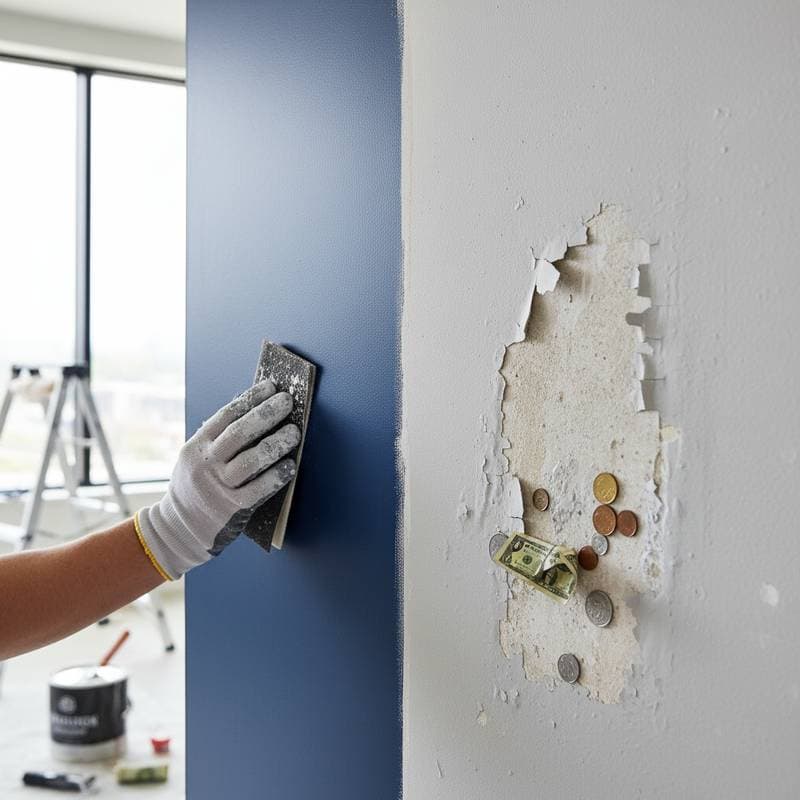
- Essential Equipment: 220- to 320-grit sheets, rigid block, adhesive wipe
- Potential Pitfalls: Aggressive or irregular force risks stripping excessive material and revealing underlayers
Expert Method
- Expertise Tier: Employs advanced apparatus for uniform prep
- Productivity: Accelerated pacing with superior particulate management
- Result Guarantee: Flawless, homogeneous surface devoid of defects
- Protection Terms: Frequent inclusion of time-bound workmanship assurances
Step-by-Step Sanding Preparation
- Permit complete curing post-initial application. Surface tackiness signals incomplete readiness; await firmness to avoid distortion.
- Select appropriate fine abrasives based on material. Opt for 220 grit on vertical planes; advance to 320 for timber elements or reflective coatings.
- Employ minimal, uniform force in directional passes. Aim to dull the sheen without eroding the base layer.
- Decontaminate meticulously post-abrasion. Employ suction or lint-free cloths to eradicate residues ahead of recoating.
- Examine beneath optimal illumination for consistency. A matte, even patina confirms thorough execution.
Pitfalls to Sidestep in Sanding
- Coarse abrasive selection: Deep gouges compromise finish integrity. Reserve fine grades exclusively for inter-layer work.
- Neglecting post-abrasion cleanup: Lingering particles embed in fresh paint, spawning nodules and coarseness.
- Premature recoating: Trapped volatiles from uncured bases erode bonding strength.
- Excessive layering: Volume fails to compensate for absent prep; prioritize foundational smoothness over accumulation.
Strategies for Flawless Project Execution
Initiate with a comprehensive surface assessment to identify sanding necessities early. Assemble tools in advance, including varied grits and containment for debris. Schedule applications during low-humidity periods to facilitate drying and minimize adhesion risks. Conclude by evaluating the full expanse under varied lighting to affirm uniformity. These measures yield durable, visually striking outcomes without unforeseen expenses.
Frequently Asked Questions
How much does remediation for adhesion failure from skipped sanding cost?
Partial renewal, including abrasion and recoating, generally spans $600 to $800. Expenses climb for multi-room or ornate element corrections.
What drying duration precedes inter-coat sanding?
Allow several hours for most substrates to harden fully. Verify by pressing lightly; absence of residue confirms suitability.
Does every layer demand sanding?
Affirmative, particularly transitioning from primer to topcoat. Initial applications often expose fibers or voids requiring leveling for subsequent success.
Is a sanding pad viable alternative to sheets?
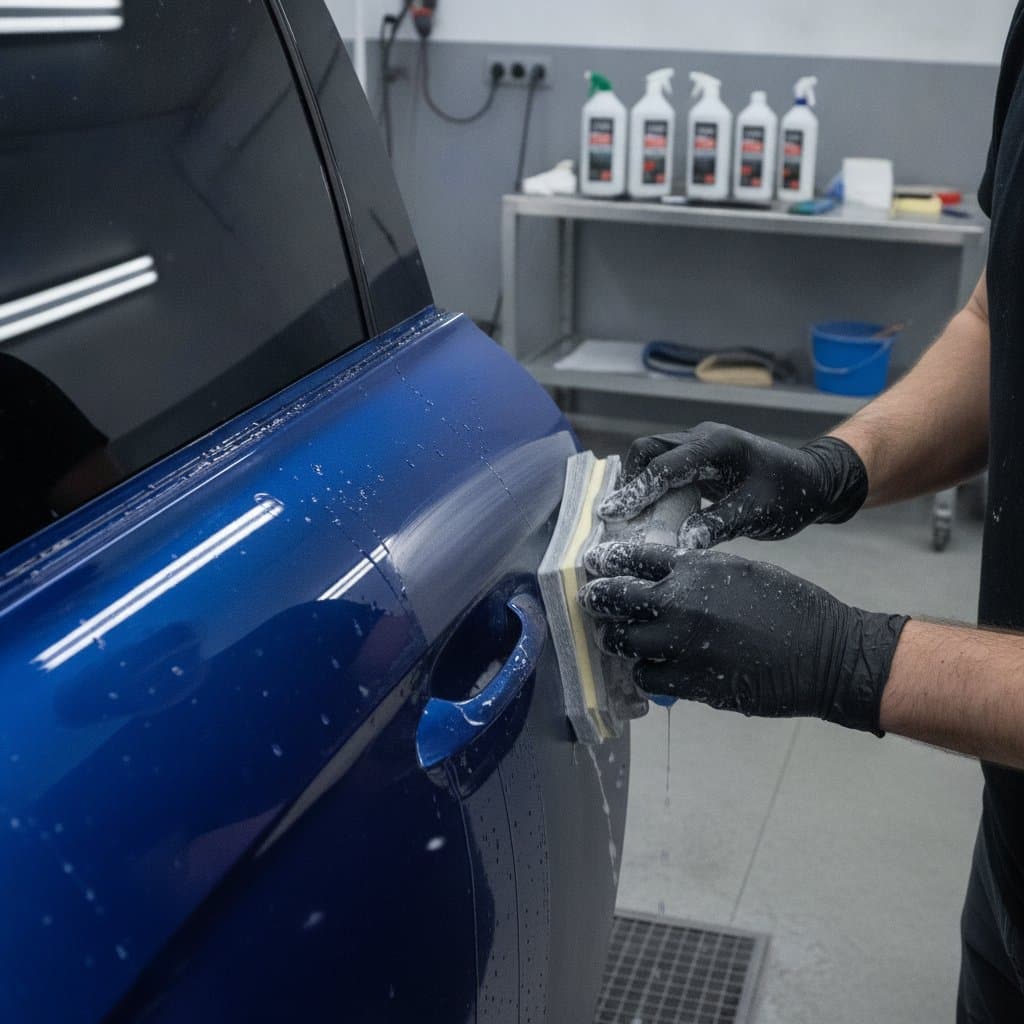
Pads excel on contours or filigrees like casings. Select ultra-fine variants and refresh periodically to sustain efficacy.
What occurs with overzealous inter-coat abrasion?
Undue removal thins the coating, potentially baring primers or cores. Moderate technique and steady rhythm safeguard integrity while enhancing grip.
How do experts mitigate dust interference in finishes?
Specialized suction devices and rigorous pre-coat sweeps form standard protocol. Workspace ventilation further curbs suspended contaminants.