The Cost of Skipping Lead Testing Before Sanding: Up to $800 in Unexpected Expenses
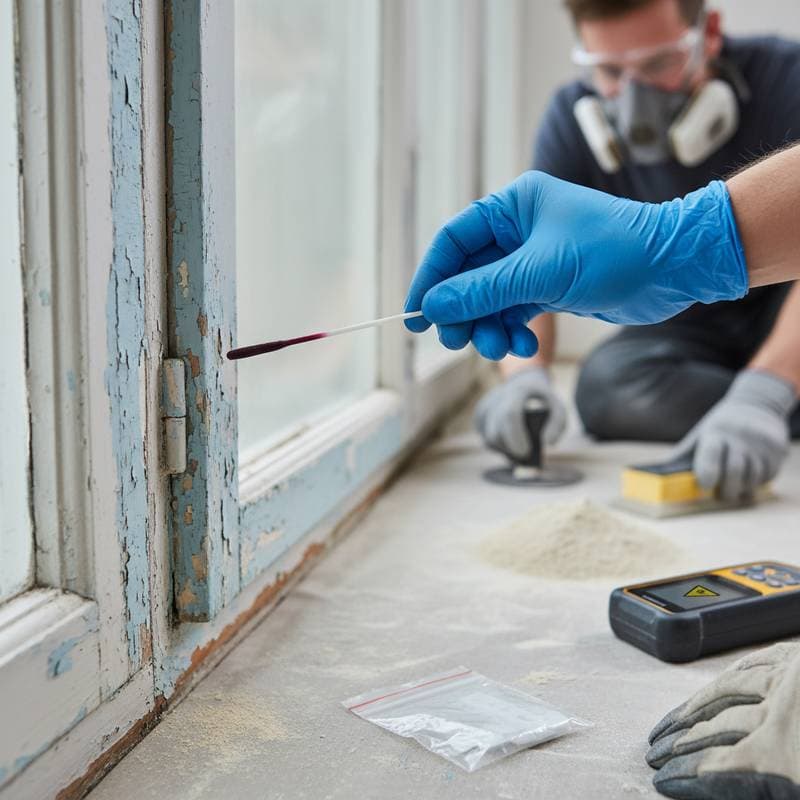
Consider a peeling window frame that requires sanding and repainting. Proceeding without lead testing may appear efficient, yet it often results in expenses reaching $800 for cleanup, discarded materials, and regulatory fines. Beyond financial impact, such oversight endangers health for all household members. Proper preparation, informed by testing, enables a secure and effective project that delivers lasting quality.
This article examines the consequences of bypassing lead testing, details reliable testing approaches, and provides strategies for efficient, regulation-compliant surface preparation.
Reliable Methods for Lead Testing
Lead paint detection was once limited to professional services. Today, accessible tools allow homeowners to conduct tests effectively while prioritizing safety. Selection depends on the project's scale, surface type, and financial considerations.
DIY Lead Test Kits for Basic Assessments
These kits consist of swabs that detect lead through a color change upon contact with painted surfaces. Results appear almost immediately, providing quick confirmation.
Costs typically range from $10 to $20 per kit, comparable to a modest meal. They suit small-scale tasks such as refinishing trim or furniture, particularly for renters evaluating minor updates.
Test multiple paint layers, as older structures often feature successive applications with varying compositions. This thoroughness identifies potential hazards comprehensively.
Professional Inspections for Comprehensive Coverage
Certified experts employ X-ray fluorescence devices to analyze surfaces without damage. These tools scan broad areas rapidly and generate detailed findings.
Fees generally fall between $300 and $500 for a full home evaluation. Homeowners undertaking extensive renovations, interior repaints, or exterior projects benefit most from this service.
Request a formal report to document results. Such records aid insurance claims, property sales, and ongoing maintenance planning.
Laboratory Analysis for Precision
This method involves collecting paint samples and submitting them for chemical examination. Laboratories quantify lead concentrations with high accuracy.
Expenses exceed $100 per sample, justified by the detail provided. It proves essential for commercial endeavors, historical preservation, or scenarios demanding official verification.
Gather samples meticulously to avoid cross-contamination. Use small tools to extract chips, then store them in sealed, labeled containers for transport.
Each approach offers value relative to needs. Initial testing consistently proves more economical than subsequent remediation.
Achieving Professional Finishes Through Proper Preparation
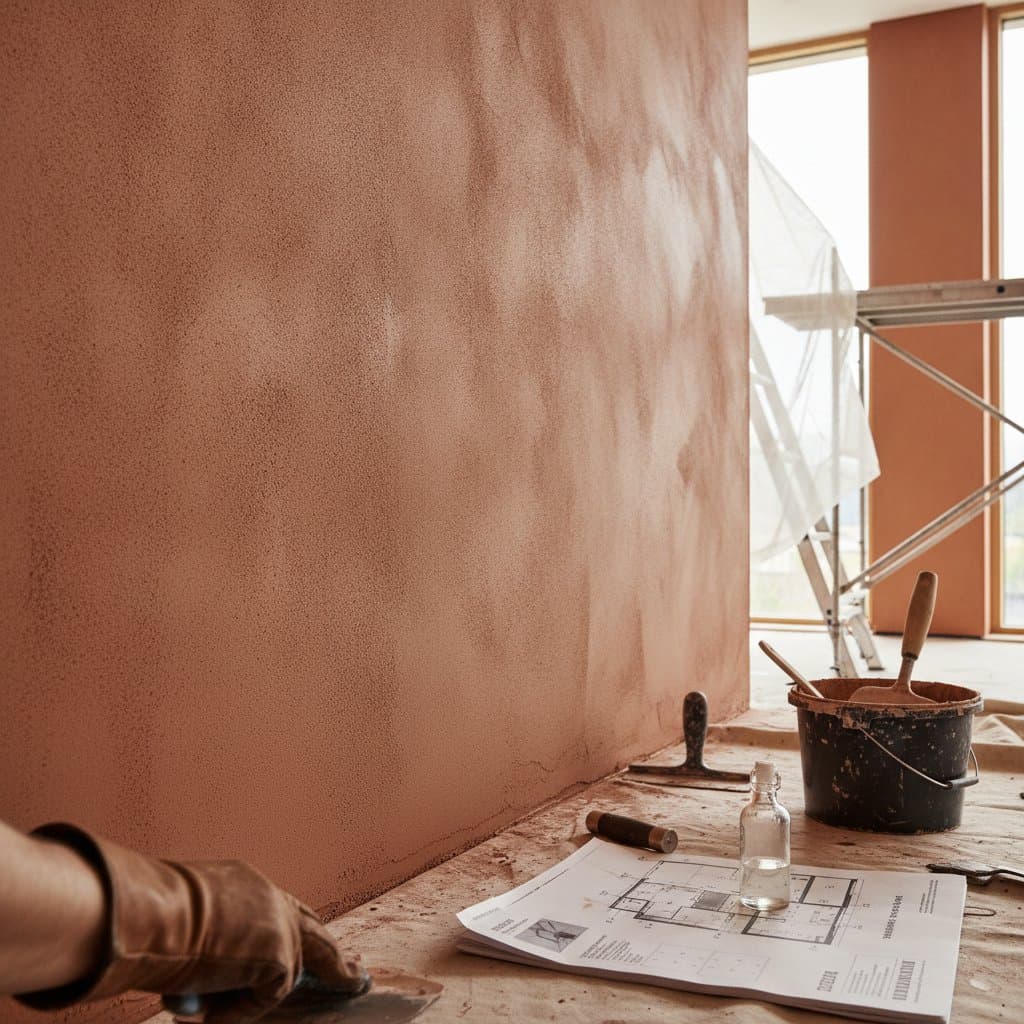
Experience in preparing surfaces for visual media highlights the importance of meticulous prep work. Lead residue or inadequate sanding yields uneven textures that diminish paint adhesion and appearance, even under optimal lighting.
In controlled settings, pre-testing eliminates disruptions and ensures consistent outcomes. Homeowners can adopt similar protocols for any scale, from a single panel to full-room updates, yielding surfaces that appear refined and durable.
Focus on containment during sanding: use plastic sheeting to isolate areas and HEPA vacuums for dust removal. These measures prevent widespread contamination and maintain project momentum.
Maintenance Practices for Long-Term Surface Safety
Post-painting care sustains both aesthetics and safety. Implement routines that minimize risks and preserve integrity.
-
Routine Cleaning Protocols: Employ wet methods, such as damp cloths or mops, to trap particles effectively. Avoid dry sweeping, which disperses fine dust.
-
Periodic Inspections: Examine high-contact areas like sills and frames for deterioration. Address chips promptly with certified lead-free paints to limit exposure.
-
Ongoing Ventilation: Promote air circulation throughout the process and beyond. This dilutes vapors and supports a healthier indoor environment.
-
Record Keeping: Archive test outcomes alongside material documentation. These files inform future interventions and demonstrate compliance.
Such practices not only safeguard occupants but also prolong the vibrancy of finishes, reducing the need for frequent reapplication.
Building a Secure Foundation for Home Improvements
Lead testing prior to sanding forms the cornerstone of responsible renovation. It averts substantial financial burdens while prioritizing well-being and structural longevity.
Projects grounded in thorough assessment yield enduring transformations. From modest touch-ups to comprehensive overhauls, this step empowers informed decisions that enhance living spaces effectively.